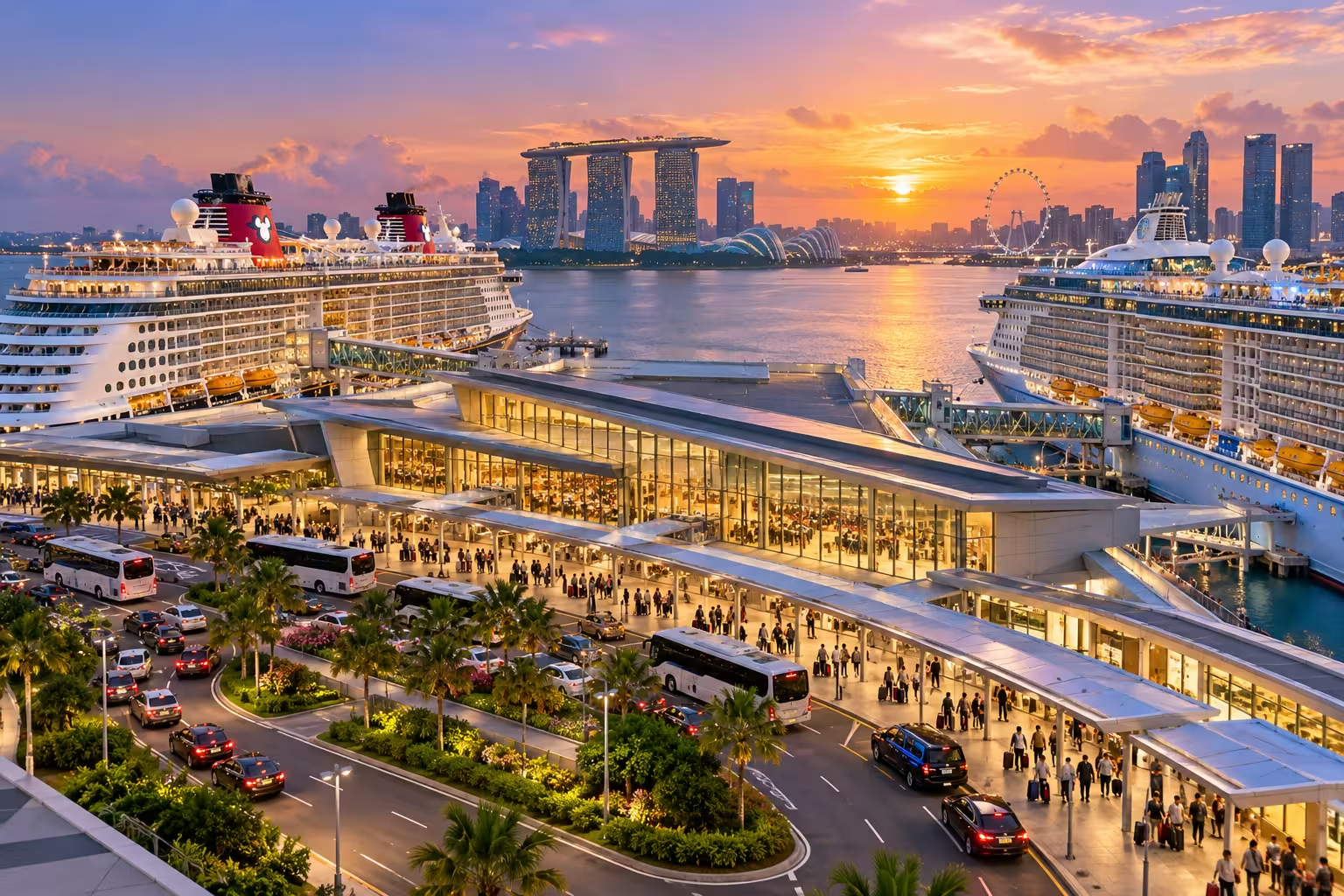
As Singapore cements its status as Asia’s leading cruise hub, the question on the minds of industry leaders is no longer about current success, but about future relevance. The city-state is already handling over two million passenger movements annually and commands nearly half of the regional market share. Yet, the global cruise industry is evolving rapidly, with new demands for sustainability, digital integration, and experiential travel. Singapore’s response to these challenges will determine whether it remains the region’s undisputed leader or becomes a victim of its own success.
The Digital Twin and the Data-Driven Port
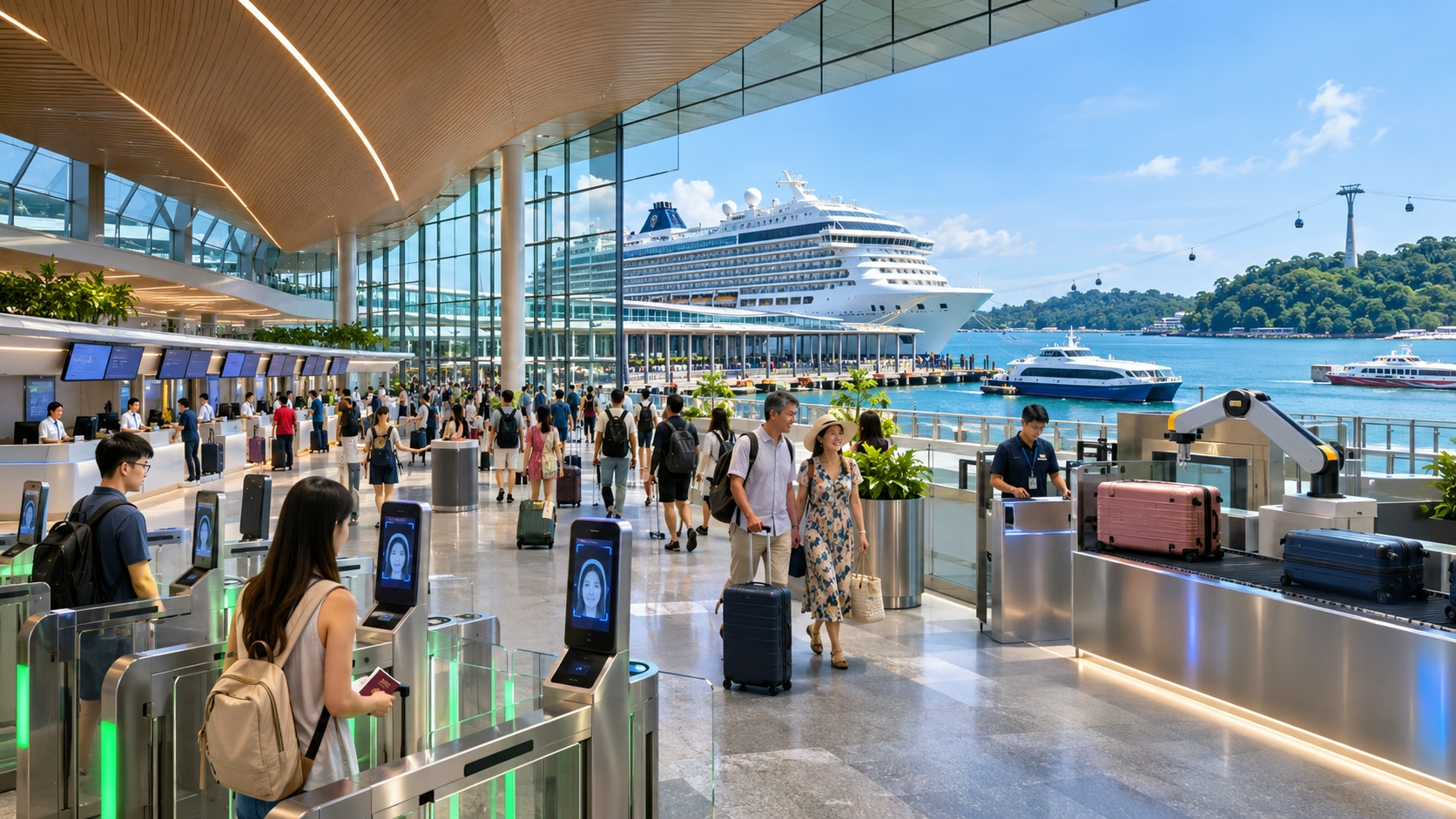
Singapore is betting on data and digitalization to maintain its edge. The Maritime and Port Authority of Singapore (MPA) is collaborating with the Singapore Cruise Centre to trial a Maritime Digital Twin (MDT) at the new HarbourFront terminal. This virtual replica of the terminal’s operations allows planners to simulate and optimize resource allocation, berth scheduling, and passenger flow in real-time. The insights generated by the MDT will enable earlier planning and improved operational efficiency, ensuring that the terminal can handle future growth without compromising service quality. This is a forward-looking investment in the invisible architecture of the port, one that will pay dividends as cruise volumes continue to rise.
A Blueprint for Sustainable Growth
Beyond technology, Singapore’s long-term strategy is anchored in the principles of sustainable and quality tourism. The focus is shifting from sheer volume to passenger yield and experience. The STB’s Tourism 2040 vision emphasizes differentiated products and premium experiences, a strategy that aligns with the deployment of longer, more immersive itineraries by partners like Princess Cruises. By attracting travelers who stay longer and spend more, Singapore can grow the economic value of the cruise sector without proportionally increasing its environmental footprint. The integration of shore power capabilities and the exploration of greener marine fuels are also part of the broader maritime sustainability agenda. Ultimately, Singapore’s next act is about building a cruise ecosystem that is not just the busiest in Asia, but also the most advanced, the most efficient, and the most sustainable. It is a vision that seeks to future-proof the city-state’s status as the region’s maritime capital for decades to come.