The Cruise Terminal as a Destination
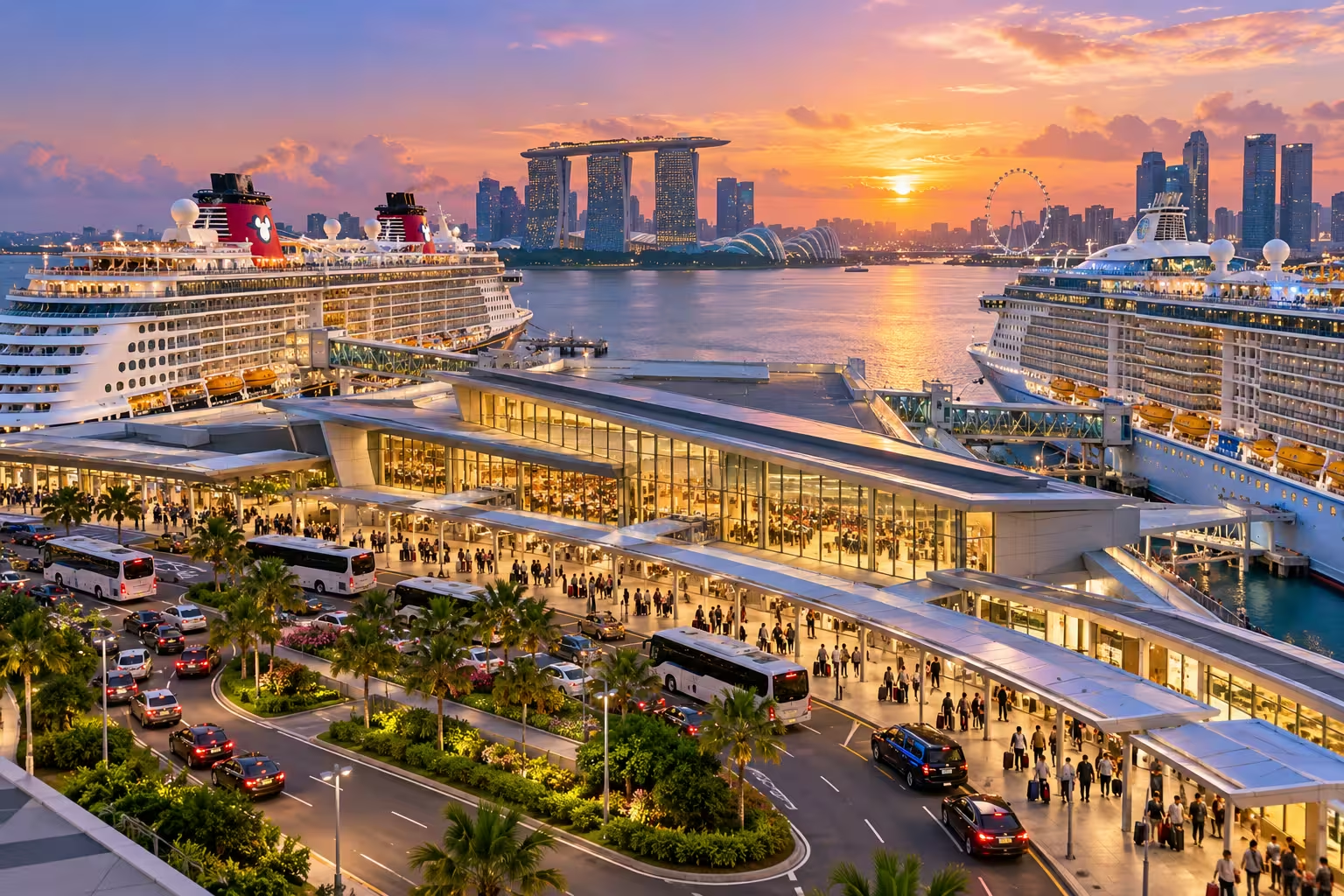
Singapore’s cruise terminals are undergoing a fundamental transformation. No longer content with merely processing passengers efficiently, the city-state is repositioning its cruise infrastructure as the first chapter of the visitor experience. This strategic shift reflects a broader understanding that the cruise terminal is not just a transit point but a gateway that shapes travelers’ first impressions of Singapore and sets the tone for their entire journey.
Technology as a Tourism Enabler
Marina Bay Cruise Centre Singapore (MBCCS) is investing in artificial intelligence, CCTV analytics, and license plate recognition to better understand passenger movement, improve traffic flow, and integrate the terminal more closely with Singapore’s tourism precincts. These technologies enable the terminal to anticipate passenger needs, optimize resource allocation, and create a seamless experience from arrival to embarkation. The terminal has also deployed an innovative Vehicle Slot Management System that leverages real-time tracking and automated scheduling to streamline provision handling and minimize congestion.
Connecting Cruise Travelers to Singapore’s Attractions
The upgraded MBCCS offers shuttle services to popular attractions including Gardens by the Bay and Chinatown on select cruise days, encouraging passengers to explore the city before or after their voyage. The reintroduced Cruise-Fly Service allows international passengers disembarking in Singapore to check in and tag their baggage for same-day connecting flights, enabling them to explore the city baggage-free. These initiatives transform the terminal from a point of departure into a launchpad for broader tourism experiences.
The Straits View Vision
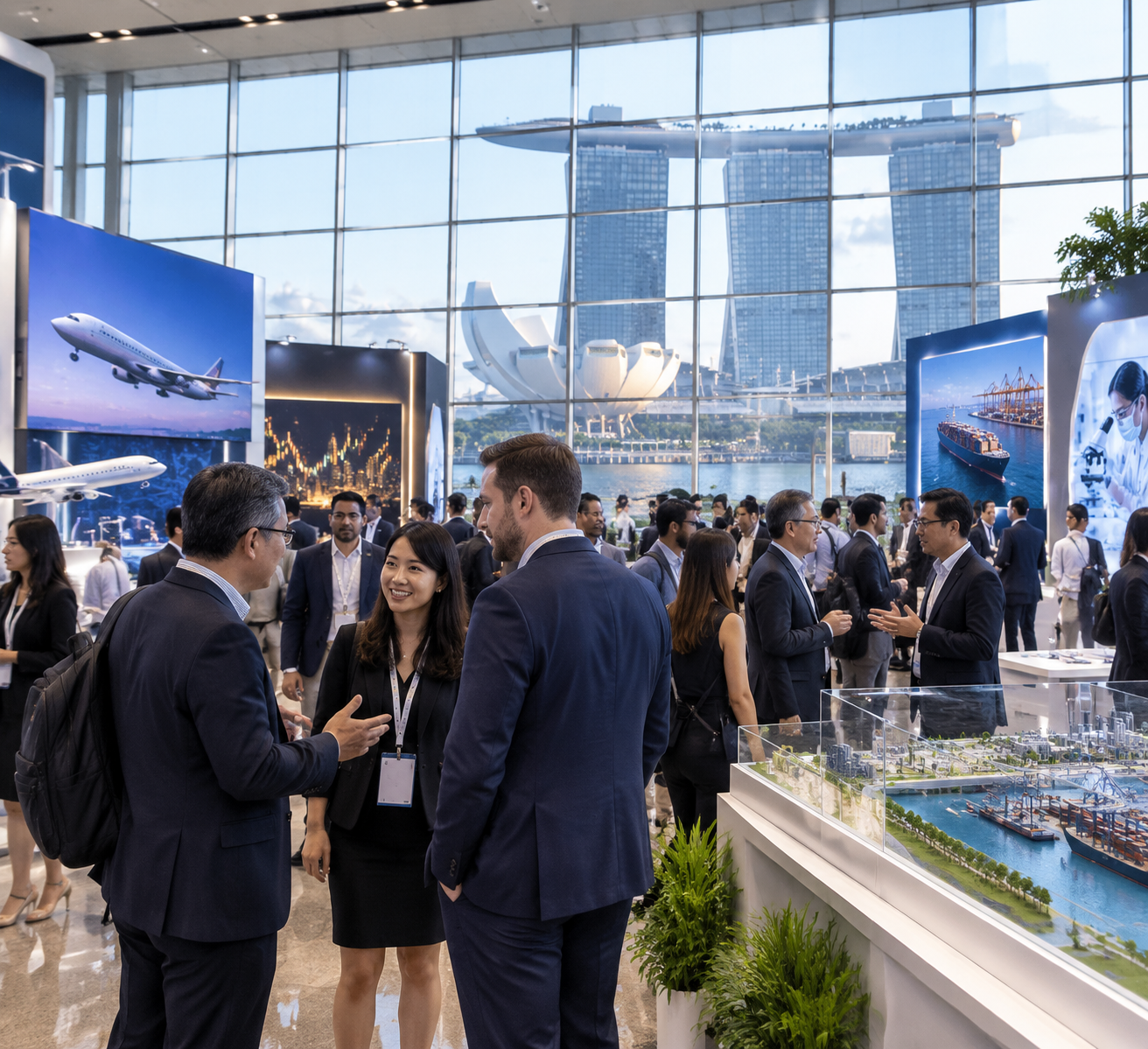
The Singapore government is studying the feasibility of an Integrated Cruise and Ferry Terminal at Straits View, adjacent to MBCCS, as part of the wider Greater Southern Waterfront development. The proposed facility could accommodate three cruise berths and up to 10 ferry berths, increasing passenger handling capacity to 1.5 times that of the existing MBCCS and twice that of the current HarbourFront terminal. The area has also been identified as the potential site of a future Downtown MICE Hub, complementing the upcoming wellness attraction at Marina South Coast. This integrated approach positions the cruise terminal as a node within a larger tourism and business ecosystem.
Regional Leadership in Cruise Port Innovation
Singapore’s approach to cruise terminal development is being watched closely across Southeast Asia. At CruiseWorld Malaysia 2026, port leaders from Singapore, Penang, and Sarawak shared how passenger expectations are reshaping terminals, with a focus on creating memorable first impressions, improving operational resilience, and strengthening the wider tourism ecosystem. Singapore’s emphasis on technology, sustainability, and destination integration sets a benchmark for the region as Southeast Asia prepares for its next wave of cruise growth.
The Future of Cruise Travel
As cruise passenger numbers are forecast to grow 19% to 41.9 million by 2028 globally, Singapore is positioning itself to capture a significant share of this growth. In 2025, Singapore welcomed 375 cruise ship calls, a 10% increase from 2024, with passenger throughput exceeding two million and growing by 9%. By transforming its cruise terminals into immersive tourism gateways, Singapore ensures that every cruise journey begins and ends with a memorable Singapore experience, reinforcing its status as Asia’s premier cruise hub.