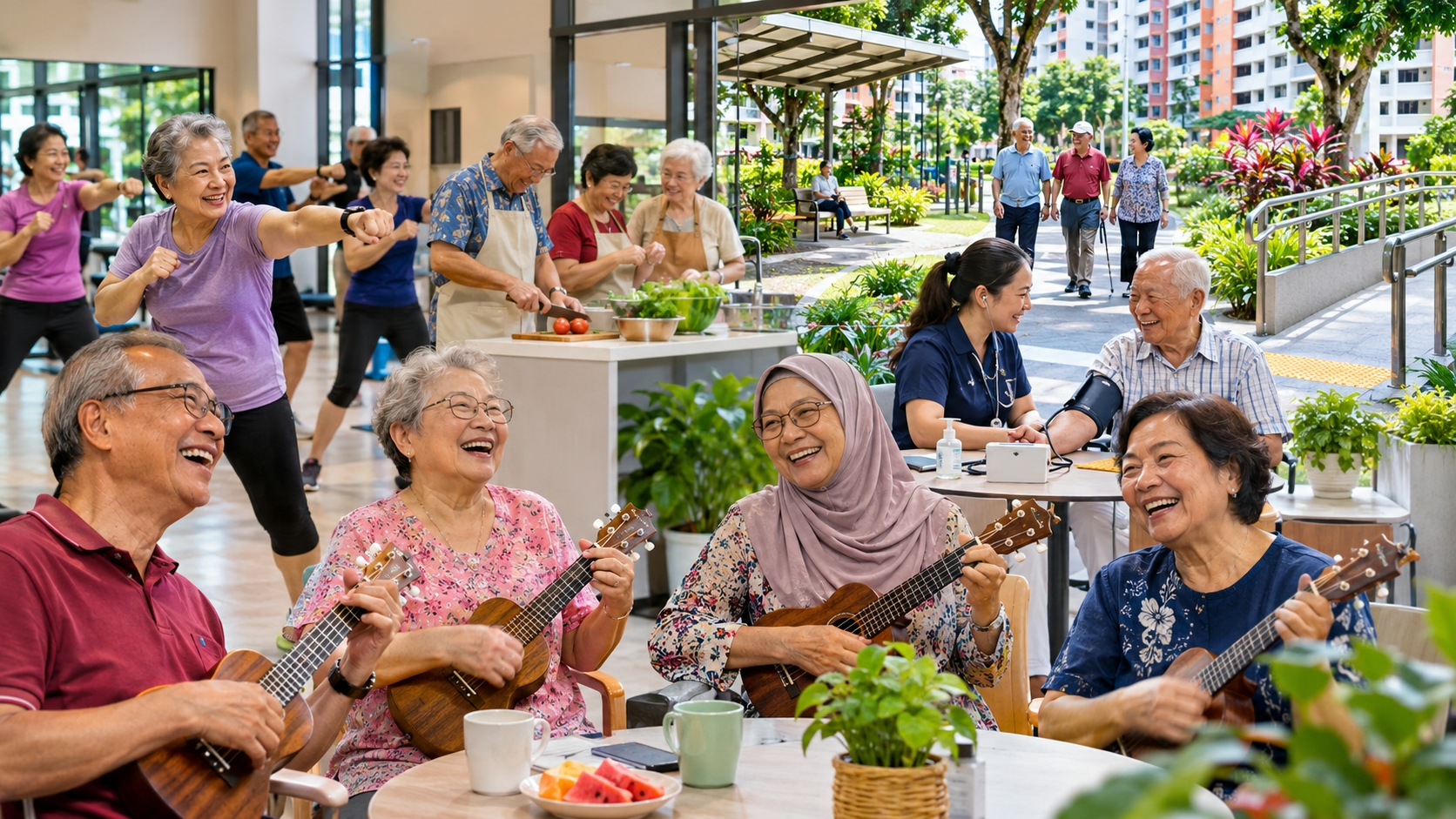
The Paradox of a Fit but Under-Muscled Nation
Singapore has invested heavily in physical activity promotion, and the data shows it: 87.3 per cent of residents meet total physical activity guidelines, one of the highest rates in the developed world. The country’s flagship marathon draws more than 55,000 participants. On paper, Singapore is a nation of movers.
But a 2026 analysis of more than 1,000 completed Healthspan Audits by Catalyst Performance, a Singapore-based longevity training studio, revealed a different picture. The median healthspan score across the audit group was 5.2 out of 10, and 55 per cent landed in the two lowest readiness bands. Cardiorespiratory fitness was the strongest pillar on average; strength and body composition were the weakest. Most striking, 37 per cent of participants reported doing no strength training at all.
The data suggests that Singapore’s public health messaging has succeeded in getting people to move, but not necessarily to train. Much of the recorded activity comes from commuting and daily walking rather than structured exercise that builds or preserves muscle. The result is a population that may look active but is physiologically under-prepared for the muscle loss that accompanies ageing.
Why Muscle Is a Longevity Organ
Skeletal muscle is not merely a cosmetic or athletic concern. It is a metabolic organ that consumes glucose, regulates inflammation, and serves as the body’s primary reservoir of amino acids during illness or stress. Muscle mass and strength decline with age—a process called sarcopenia—and that decline is one of the strongest predictors of falls, fractures, loss of independence, and mortality in older adults.
The Catalyst data reinforces the dose–response relationship: median healthspan scores rose consistently with self-reported weekly strength sessions, from 4.0 at zero sessions to 7.6 at four or more. The association is not proof of causation, but it aligns with a large body of clinical evidence that resistance training is one of the most effective interventions for preserving functional capacity in later life.
The Nutrition Side of the Equation
Strength training without adequate protein is inefficient. Dietitians in Singapore are increasingly emphasising that older adults need more protein than the general adult recommendation—approximately 1.2 grams per kilogram of body weight daily, spread across meals, rather than concentrated in a single evening meal. Practical guidance includes building about 25 grams of protein into each meal and choosing lean meats, fish, tofu, and beans over processed options.
The challenge is behavioural and cultural. Many older Singaporeans grew up with dietary patterns that prioritise carbohydrate staples and treat protein as a garnish. Shifting those patterns requires more than a pamphlet; it requires accessible, affordable, and culturally familiar protein-rich meals—whether at hawker centres, Active Ageing Centres, or community dining programmes.
Bridging the Strength Gap
Closing the strength gap is not glamorous work. It involves resistance bands in community centres, bodyweight exercise classes designed for older adults, and simple home programmes that can be done safely without equipment. But the payoff is significant: every fall prevented, every hospital admission avoided, and every additional year of independent living represents a direct gain in healthspan.
Singapore’s longevity strategy has rightly focused on the health system, the community, and the science of ageing. The strength gap is a reminder that the most immediate lever may be the most ordinary: picking up something heavy, regularly, and eating enough protein to support the effort.