Singapore is a city where each district presents a distinct culinary story. From traditional hawker stalls to contemporary dining, the variety of flavors across neighborhoods reflects the city’s multicultural heritage and vibrant history. Sampling food district by district allows visitors to understand the essence of Singaporean cuisine.
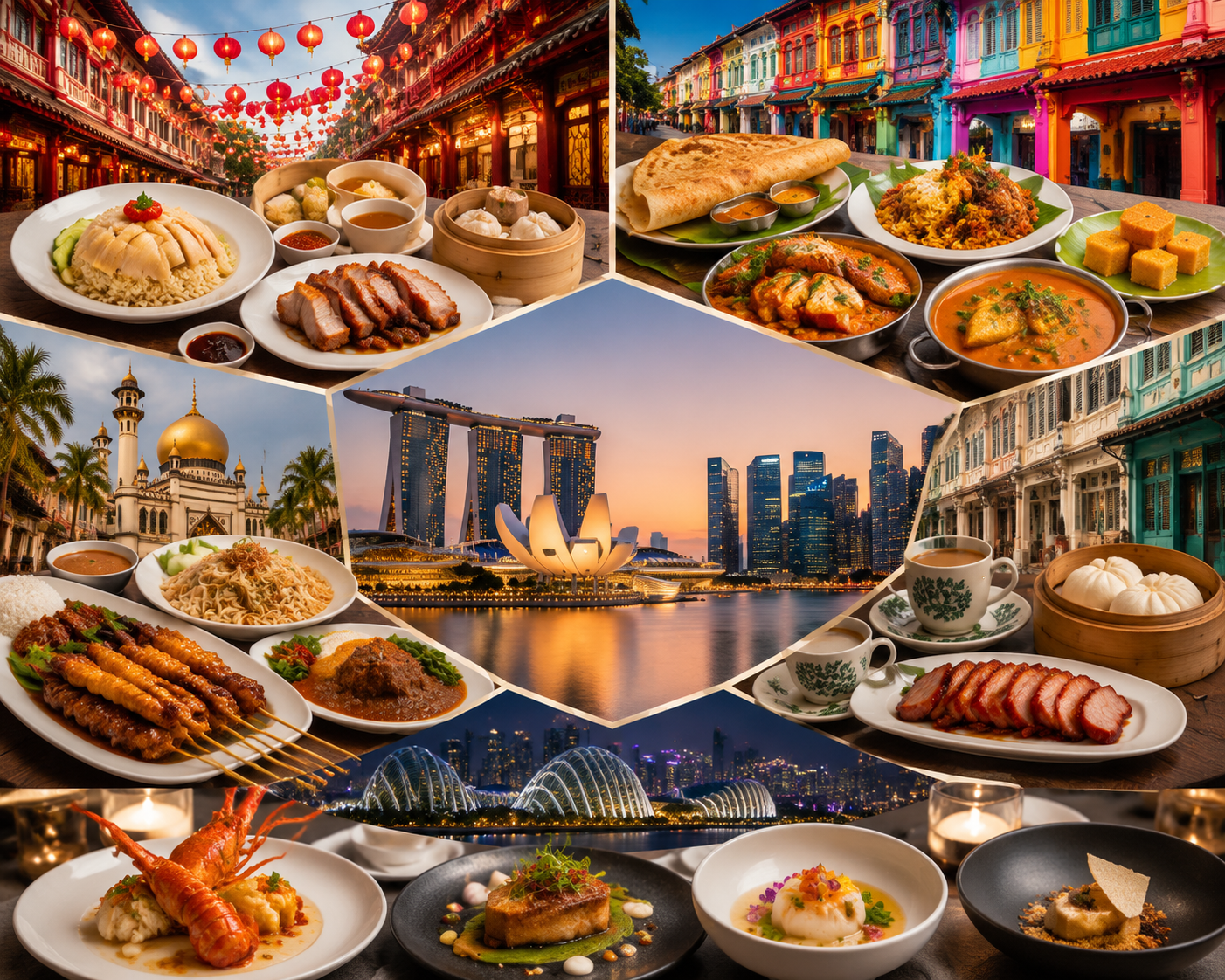
Chinatown is the go-to destination for Chinese culinary delights. Popular dishes include Hainanese chicken rice, roast pork, and dim sum. Eateries here often follow recipes that have been preserved over generations, offering an authentic taste of Singapore’s Chinese heritage. Walking through Chinatown, the scents of roasted meats, fresh herbs, and spices create an immersive experience that is both sensory and cultural.
In Little India, the streets are filled with bold flavors and fragrant aromas. Diners can enjoy curry fish head, biryani, roti prata, and an array of sweets. Spices dominate the food, reflecting the district’s Indian roots and cultural traditions. Little India also features a mix of old family-run establishments and new fusion restaurants, giving visitors a taste of both historical authenticity and modern culinary creativity.
Kampong Glam showcases the flavors of Malay and Middle Eastern cuisine. Dishes like nasi padang, mee goreng, and satay illustrate the use of aromatic spices, coconut milk, and fresh ingredients. The district’s food culture is shaped by its history as a trading hub, which introduced unique culinary influences and diverse preparation styles. Visitors can explore both affordable street food and upscale dining options in this vibrant area.
Tiong Bahru blends heritage and modernity in its food scene. Hawker favorites like bak kut teh and char siew pau are complemented by artisanal coffee and pastry shops. This neighborhood appeals to those looking for a culinary experience that combines nostalgia with contemporary innovation. Its casual and charming atmosphere makes it perfect for leisurely exploration.
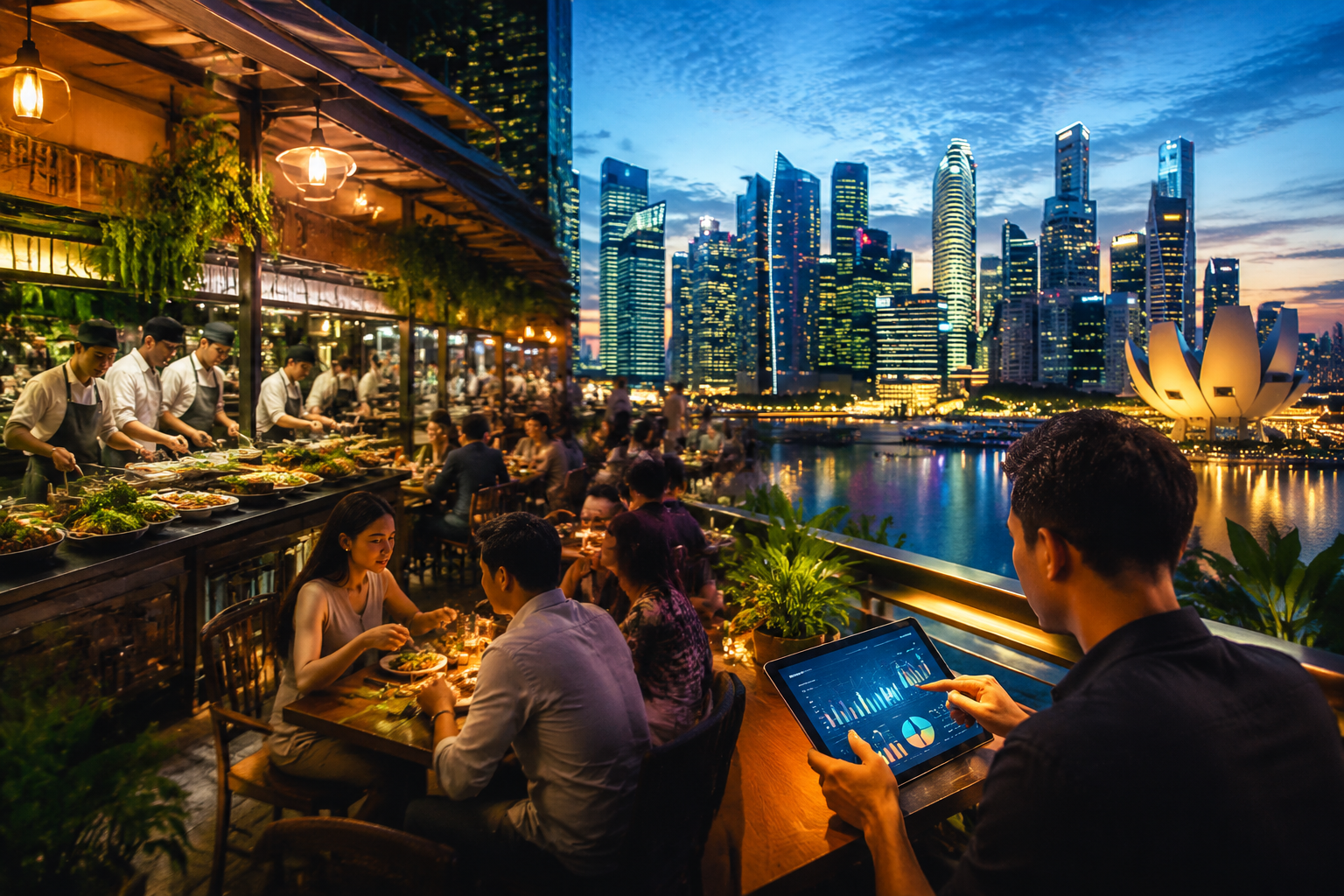
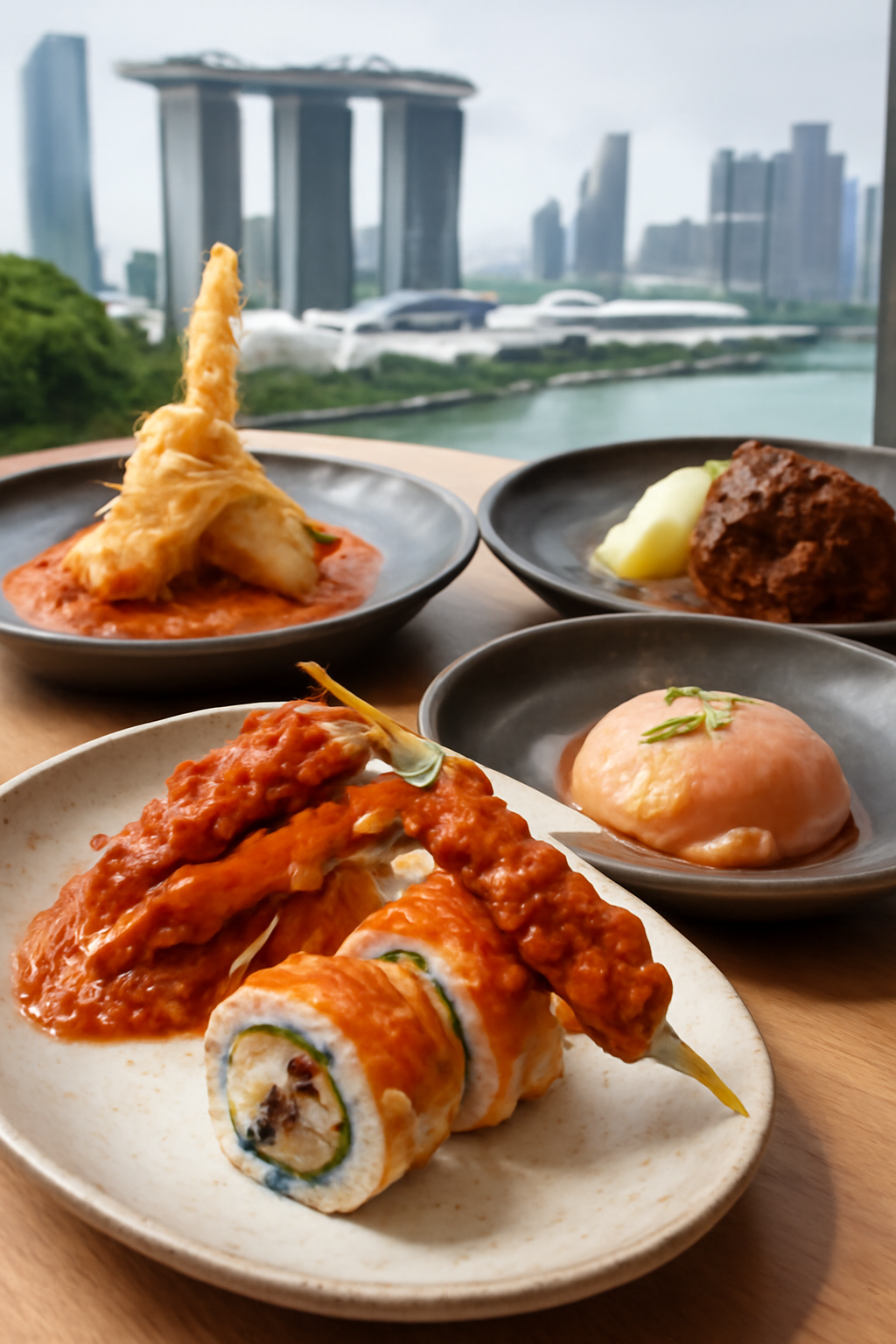
Lastly, Marina Bay represents Singapore’s upscale culinary scene. High-end restaurants serve inventive dishes that fuse local flavors with international techniques. From seafood creations to experimental cuisine, Marina Bay highlights Singapore’s evolution as a globally recognized food destination.
Touring Singapore through its districts allows visitors to savor the country’s diverse culinary tapestry. Each area tells a story through its flavors, showcasing heritage, innovation, and cultural influences. Sampling the city’s food district by district is a rewarding journey for those seeking both taste and understanding of Singapore’s rich culinary landscape.