Food as the Fastest Way to Understand Chinatown
In Singapore’s Chinatown, food is not only a visitor attraction. It is a form of memory, a business model, a family inheritance, and a public conversation. In 2026, the neighborhood remains one of the strongest places to see how Singapore balances heritage with constant urban change.
A useful official reference is Visit Singapore’s Chinatown guide at https://www.visitsingapore.com/see-do-singapore/places-to-see/chinatown/. The page positions the area as a cultural district, and that framing helps explain why its food is so layered. The restaurants and hawker stalls here are surrounded by temples, shophouses, markets, boutique hotels, offices, and nightlife streets. Food moves through all of them.
Chinatown’s Hawker Heart
Why Hawker Centres Still Matter
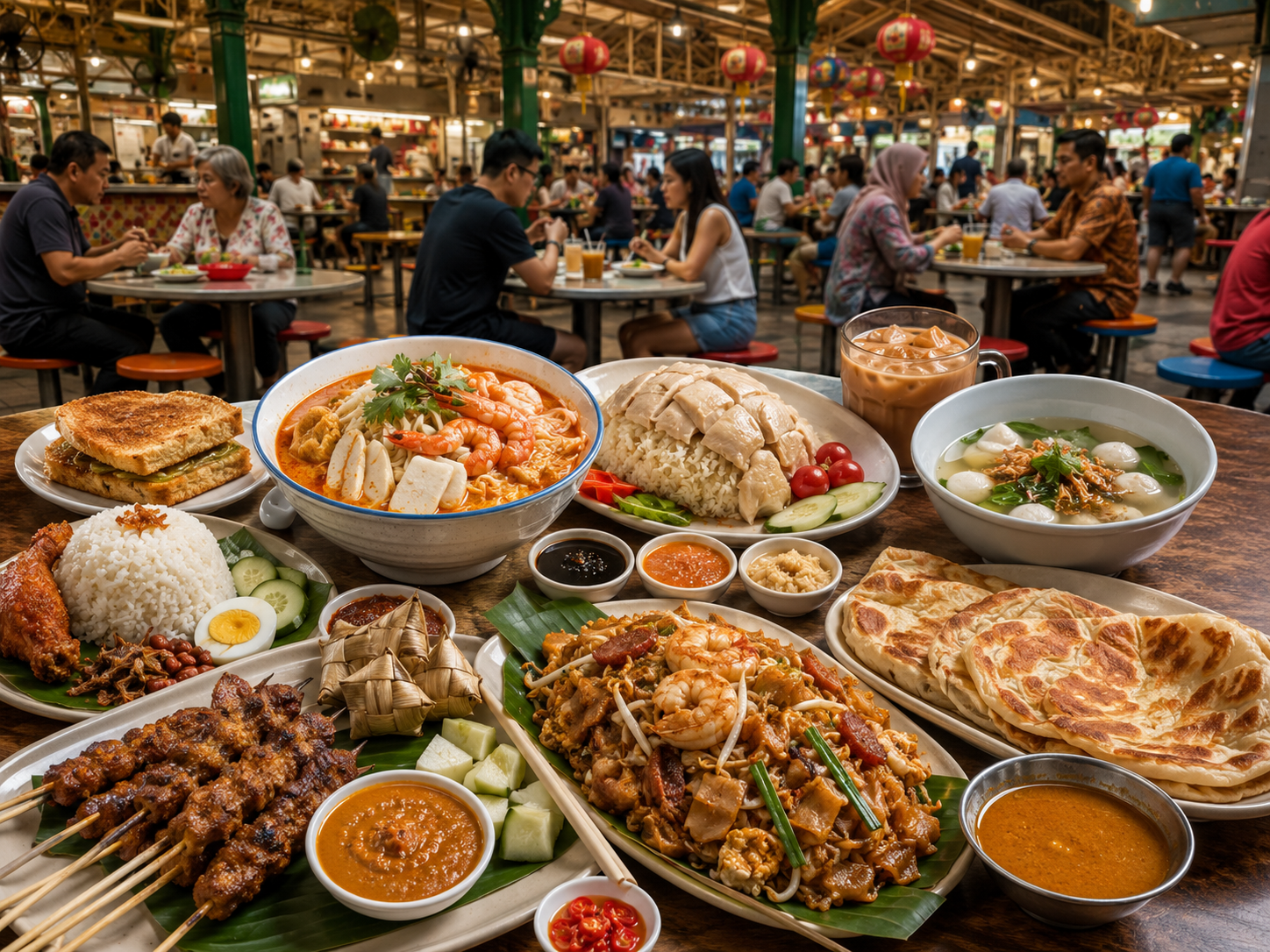
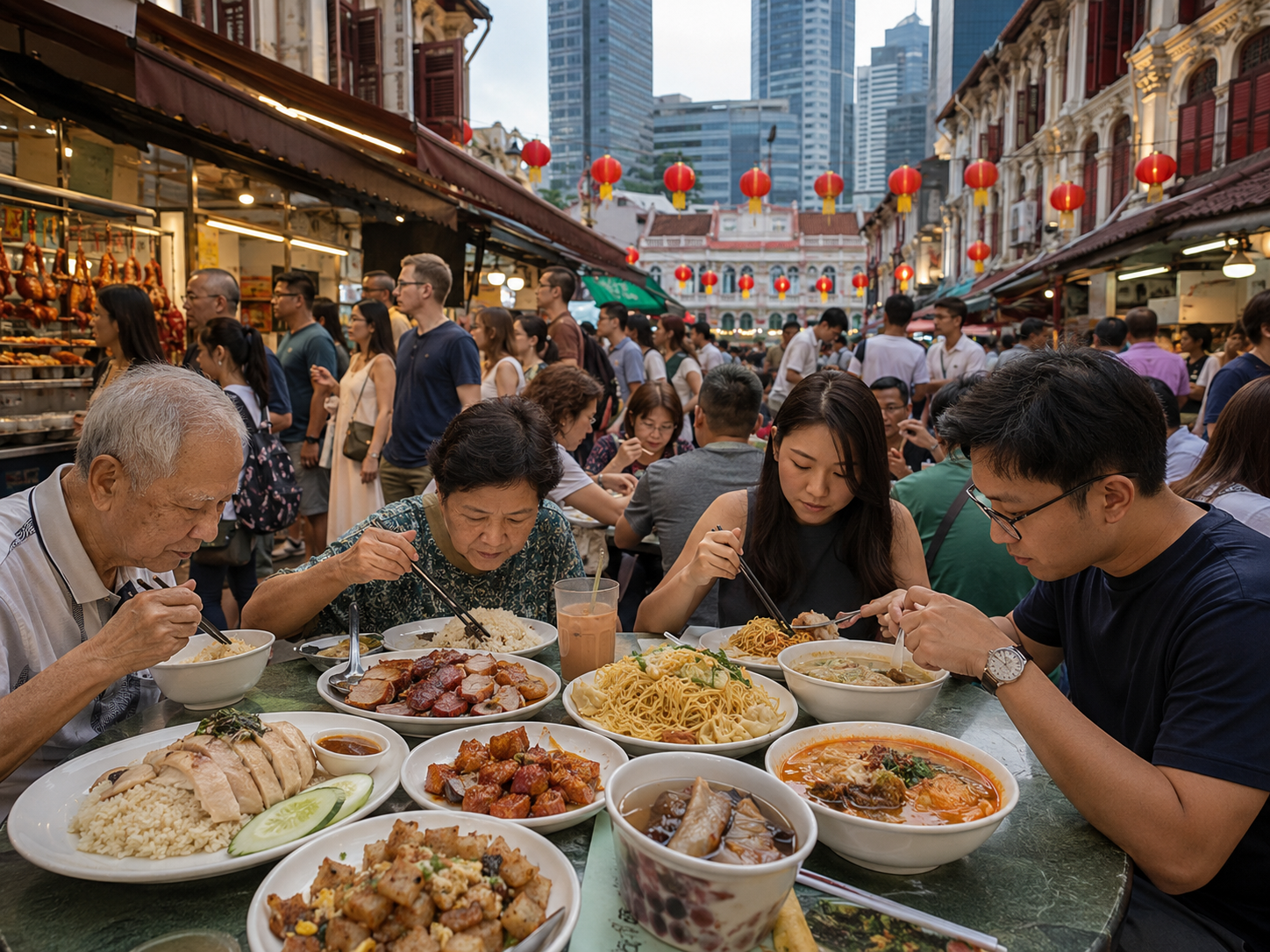
For visitors, Chinatown’s hawker centres provide direct access to Singapore’s daily dining culture. They are democratic spaces where a highly skilled meal can still be eaten without the formality of a restaurant. Chinatown Complex Food Centre is particularly significant because of its scale and variety. It gives food travelers a concentrated view of local favorites, from roasted meats and chicken rice to noodles, soups, snacks, and desserts.
The best stalls often have a clear identity. They may focus on one noodle style, one roast meat technique, or one soup recipe. This narrow focus creates depth. It also explains why regular customers can be so loyal: they are not simply buying food, they are returning to a taste they trust.
The Iconic Plates Visitors Should Understand
Soy Sauce Chicken Rice
Soy sauce chicken rice is one of Chinatown’s most recognizable dishes. Its appeal comes from balance: tender chicken, fragrant rice, savory sauce, and chili that sharpens the meal. The dish represents Cantonese influence but has become part of Singapore’s broader hawker identity.
Wanton Mee and Roasted Meats
Wanton mee is another essential order. A proper plate depends on springy noodles, seasoned dumplings, char siu, and a sauce that coats without overwhelming. Roasted pork and duck add a richer expression of Chinatown’s meat-roasting culture, where heat, timing, and texture determine quality.
Fried Carrot Cake, Laksa, and Soup-Based Comfort Food
Beyond the most famous items, Chinatown also rewards diners who explore. Fried carrot cake brings egg, preserved radish, and wok aroma together in either white or dark versions. Laksa offers coconut-rich spice and slippery noodles. Fish soups and herbal soups show the gentler side of the district’s cooking.
Current Context: The 2026 Heritage Question
The real Chinatown food story in 2026 is not only about taste; it is about continuity. Older hawkers face long working hours, cost pressure, and uncertain succession. Younger operators bring fresh branding, digital systems, and new customer engagement, but they must still prove themselves through flavor. This creates a serious question for Singapore’s culinary future: can heritage food remain affordable, respected, and professionally sustainable?
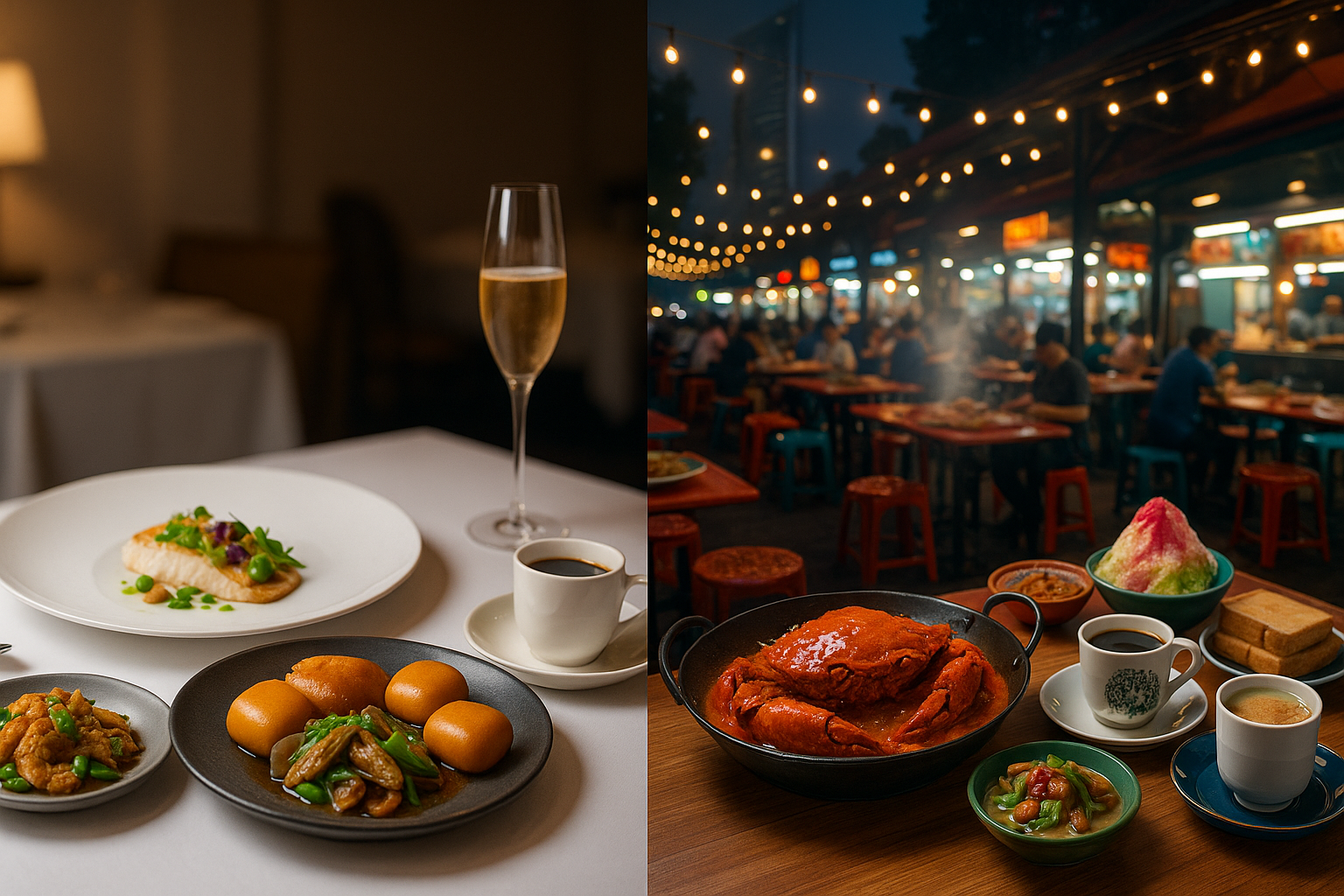
At the same time, modern dining around Keong Saik Road, Ann Siang Hill, and nearby streets gives Chinatown a second identity. The district is now home to contemporary restaurants, cocktail bars, cafés, and dessert shops that appeal to younger locals and international visitors. The strongest food experiences are those that let both sides of Chinatown speak.
A Better Way to Explore in 2026
Travelers should avoid eating only the most viral dish. A stronger route includes one classic hawker meal, one roasted or braised meat dish, one noodle order, one traditional dessert, and one modern dining stop. This creates a fuller picture of Chinatown as a working food district rather than a single-photo destination.
Singapore Chinatown remains powerful because it is still alive. Its iconic dishes survive not because they are old, but because people continue to cook, debate, queue for, and reinterpret them.