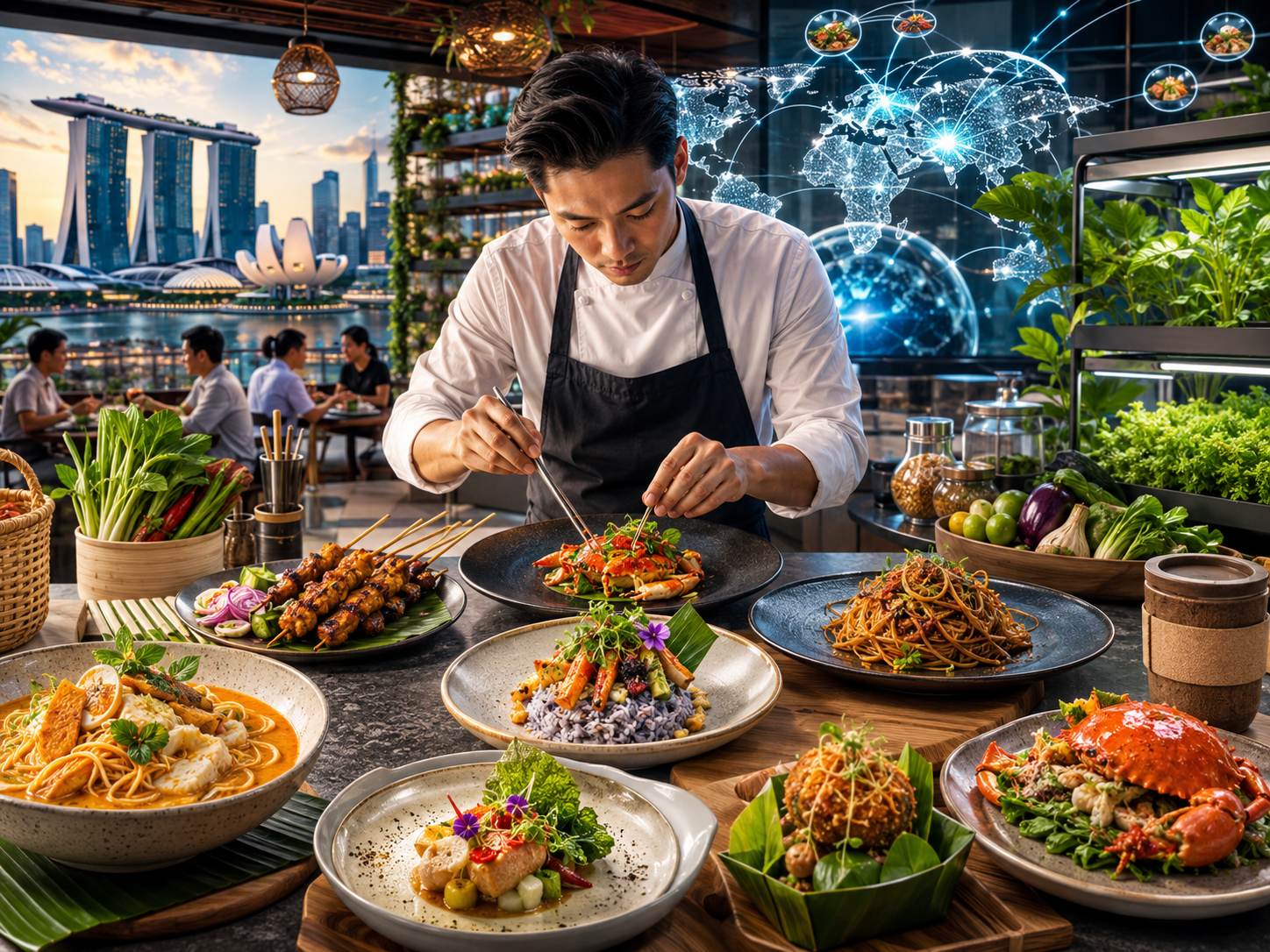
Singapore’s food scene is often described as global, fast-moving, and highly diverse. From hawker centers to fine dining restaurants, ingredients come from all over the world. Yet within this global system, local ingredients in Singaporean cuisine are gaining quiet but steady importance—not as a replacement for imports, but as a practical foundation for freshness, resilience, and everyday cooking quality.
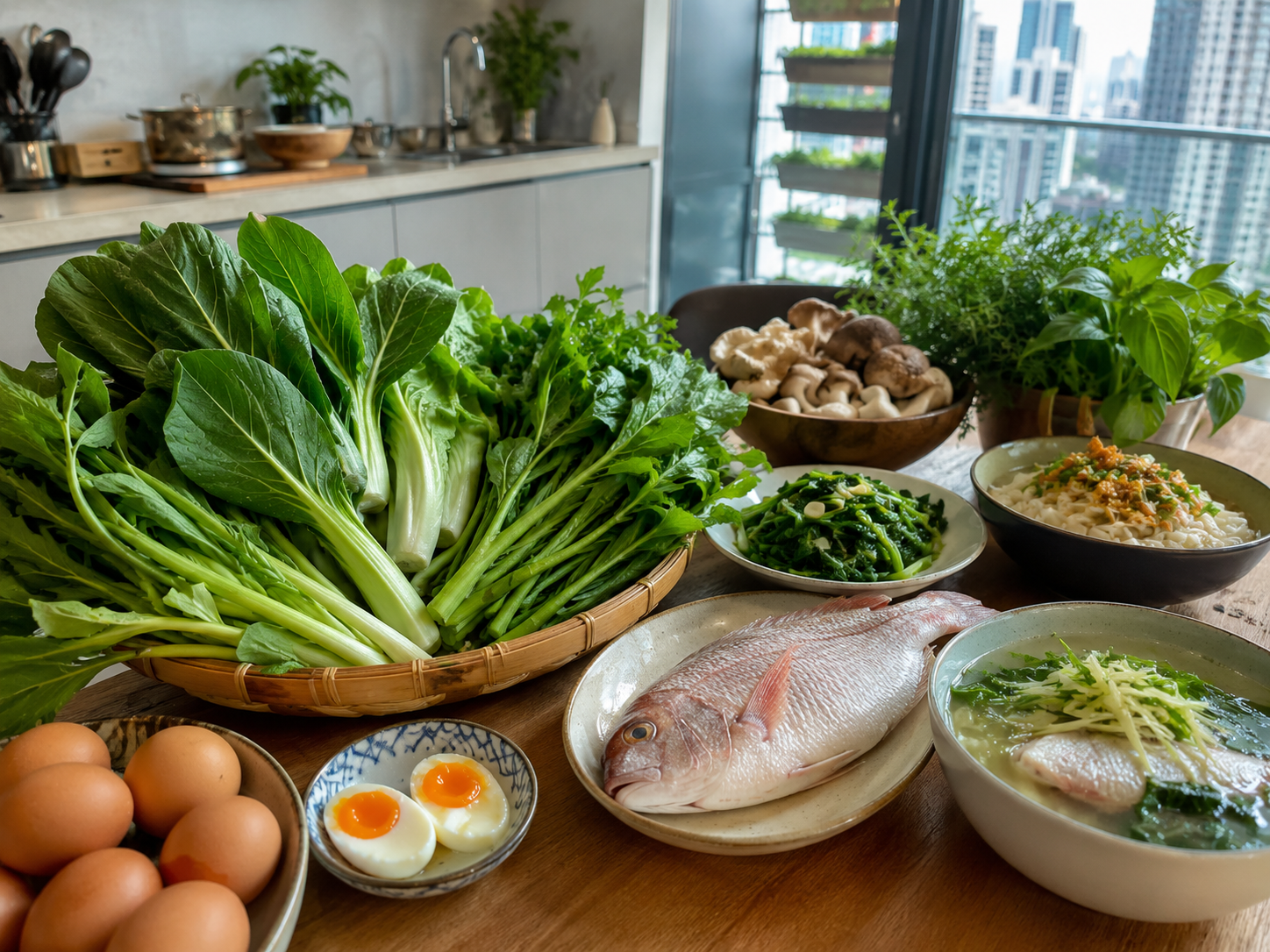
Local ingredients in Singapore typically include vegetables grown in urban farms, hydroponic greens, locally produced eggs, farmed fish, mushrooms, and selected herbs. While the list may seem modest compared to larger agricultural countries, their impact on daily meals is surprisingly significant.
One of the most noticeable advantages is freshness. In a compact city-state like Singapore, locally produced food often reaches consumers faster than imported alternatives. This shorter supply chain can make a real difference in ingredients that are sensitive to time and handling, especially leafy greens and fresh fish. In everyday cooking, this translates into better texture and more natural flavor without requiring complicated preparation.
For example, simple dishes like stir-fried kailan, steamed bok choy, or garlic kangkung rely heavily on the quality of the vegetables themselves. When the greens are fresh, they remain crisp after cooking and retain their natural sweetness. This allows home cooks to use minimal seasoning while still achieving satisfying results. The same principle applies to soups, where locally sourced greens or fish can enhance clarity and depth without overpowering the dish.
Eggs are another everyday staple where local production makes a noticeable difference. In Singaporean households, eggs are used in a wide range of meals—from breakfast soft-boiled eggs with kaya toast to fried rice, omelettes, and steamed egg custard. Consistency in freshness helps maintain predictable texture and taste, which is especially useful for families cooking frequently at home.
Beyond the kitchen, local ingredients are closely tied to Singapore’s long-term food security strategy. As a small nation with limited agricultural land, Singapore depends heavily on imports. However, global disruptions—whether due to climate events, logistics challenges, or geopolitical issues—can affect supply stability. To address this, Singapore has been developing a more resilient food system through technology-driven farming and aquaculture.
The Singapore Food Agency (SFA) has been leading initiatives such as the “30 by 30” goal, which aims to build the capability to produce a portion of the country’s nutritional needs locally. More information can be found here: https://www.sfa.gov.sg/food-farming/singapores-food-supply/30-by-30
At the consumer level, this large-scale strategy becomes very practical. Choosing local vegetables a few times a week or incorporating locally farmed fish into meals is not about changing dietary habits completely. Instead, it is about adding flexibility and stability to everyday cooking choices.
There is also a sustainability aspect that goes beyond transportation distance. Local farming systems in Singapore often use controlled environments and efficient production methods, which can help optimize water and land usage. While sustainability depends on many factors, including farming practices and energy use, local production offers opportunities for more controlled and traceable food systems.
Another often overlooked benefit is reduced waste. Fresher ingredients generally last longer when stored properly, giving households more time to use them before they spoil. For busy individuals or families who do not cook every day, this can make meal planning more manageable and reduce unnecessary food disposal.
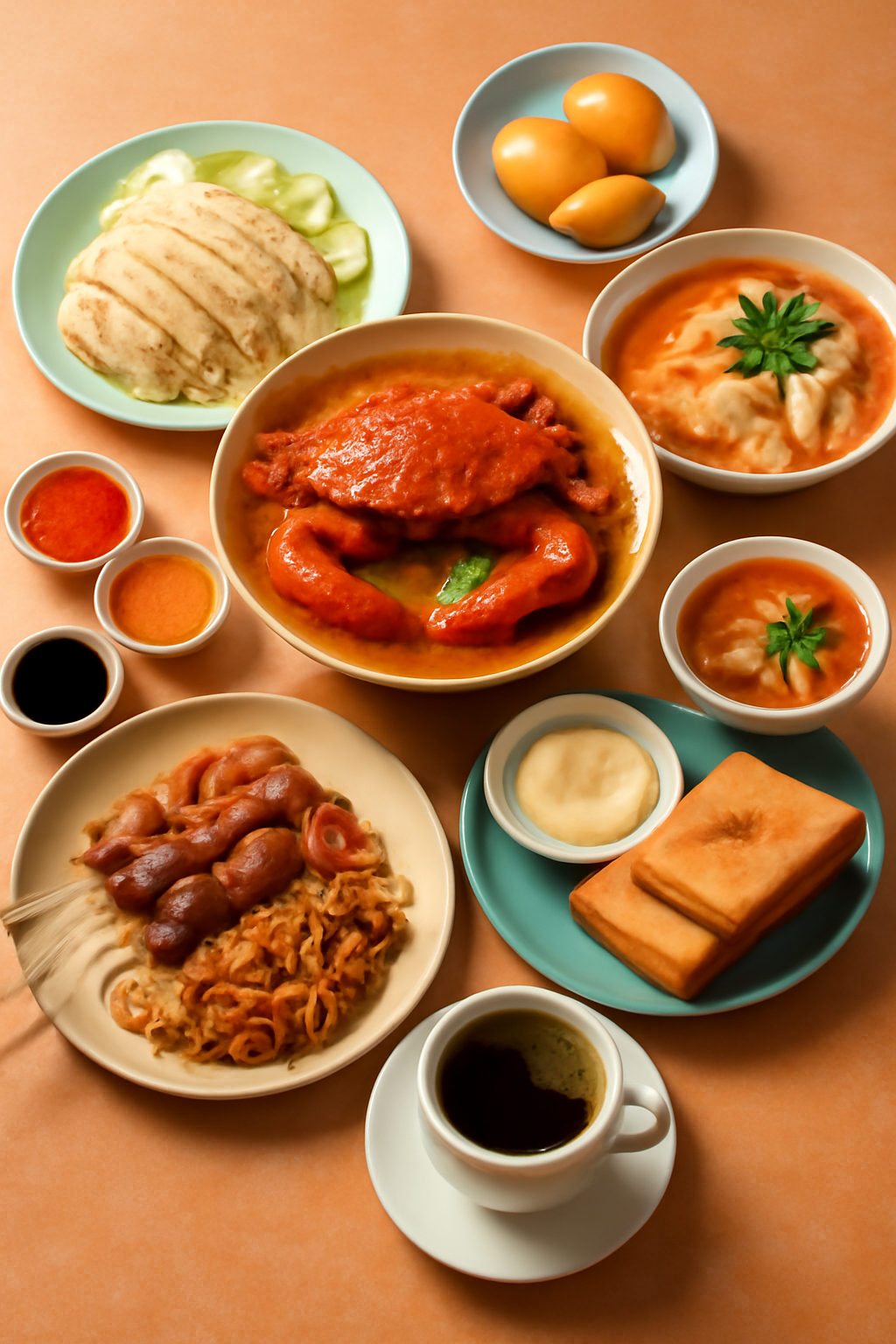
Culturally, local ingredients fit naturally into Singaporean cuisine because the cuisine itself has always been adaptive. Dishes such as chicken rice, laksa, and nasi lemak have evolved through regional influences and practical substitutions over time. Adding locally grown produce into these dishes does not change their identity; instead, it reflects how Singaporean food continues to evolve with its environment.
For everyday cooking, the most effective approach is simplicity. Local ingredients tend to perform best in dishes where their natural qualities are visible. Light stir-fries, clear soups, steamed dishes, and basic noodle preparations allow freshness to stand out without being masked by heavy sauces or complex techniques.
Ultimately, local ingredients in Singaporean cuisine are not about exclusivity or trend-driven choices. Their value lies in reliability, freshness, and practicality. When combined with imported ingredients that bring variety and cultural depth, they help create a food system that is both dynamic and stable—reflecting the way Singapore itself continues to grow and adapt.