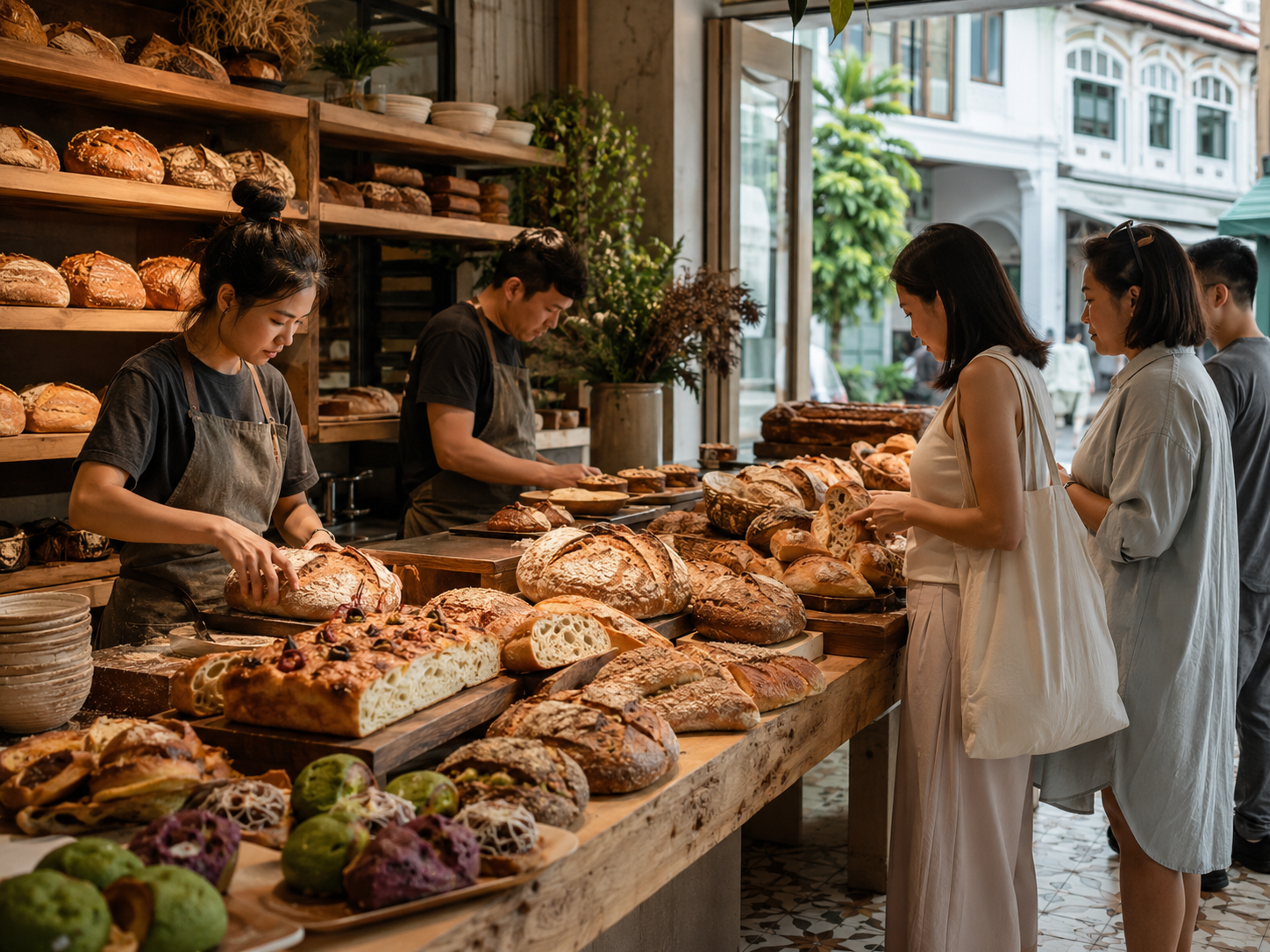
Singapore’s premium pastry scene in 2026 is a meeting point of global technique and local memory. Chefs are drawing on Peranakan, Malay, Chinese, and Indian dessert traditions, then refining them with French, Japanese, and Nordic methods. The result is a new category of heritage-driven desserts that resonates with locals and fascinates visitors.
Cultural Storytelling Through Pastry
Pastry has become a medium for storytelling. A tart filled with kaya cream, a cake layered with pandan mousse, or a financier infused with bandung syrup carries cultural meaning. These desserts are not just sweet; they evoke childhood memories and family gatherings. By grounding premium products in local stories, bakeries create emotional connections that generic French pastries cannot match.
Collaborations with Heritage Brands
Some premium bakeries are collaborating with traditional confectionery shops and hawker dessert stalls. These partnerships bring authenticity and intergenerational knowledge into the kitchen. For example, a modern bakery might work with a Peranakan kueh maker to develop a limited-edition kueh-inspired entremet. Such collaborations generate media attention and introduce heritage flavours to younger, design-conscious consumers.
Tourism and Experiential Retail
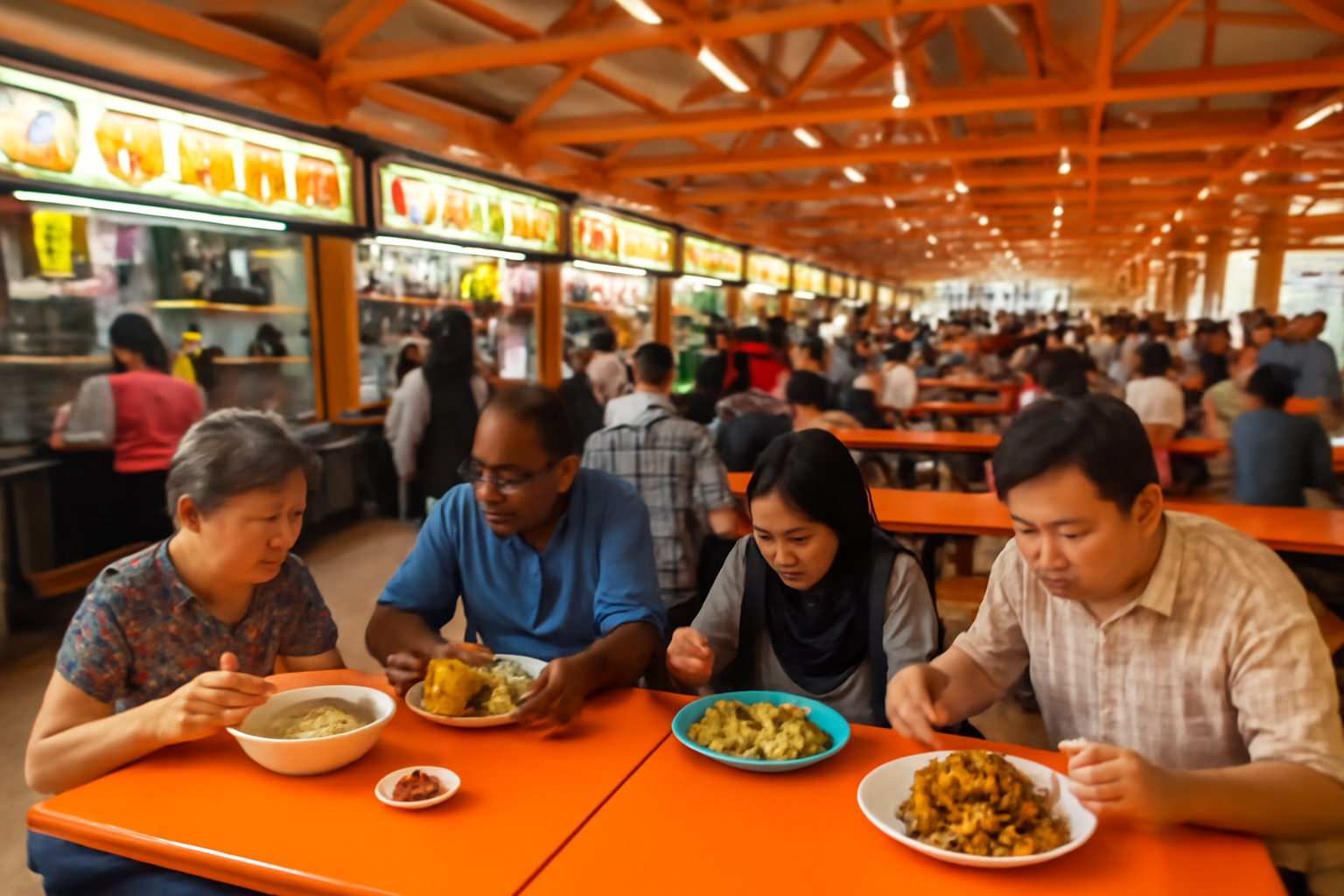
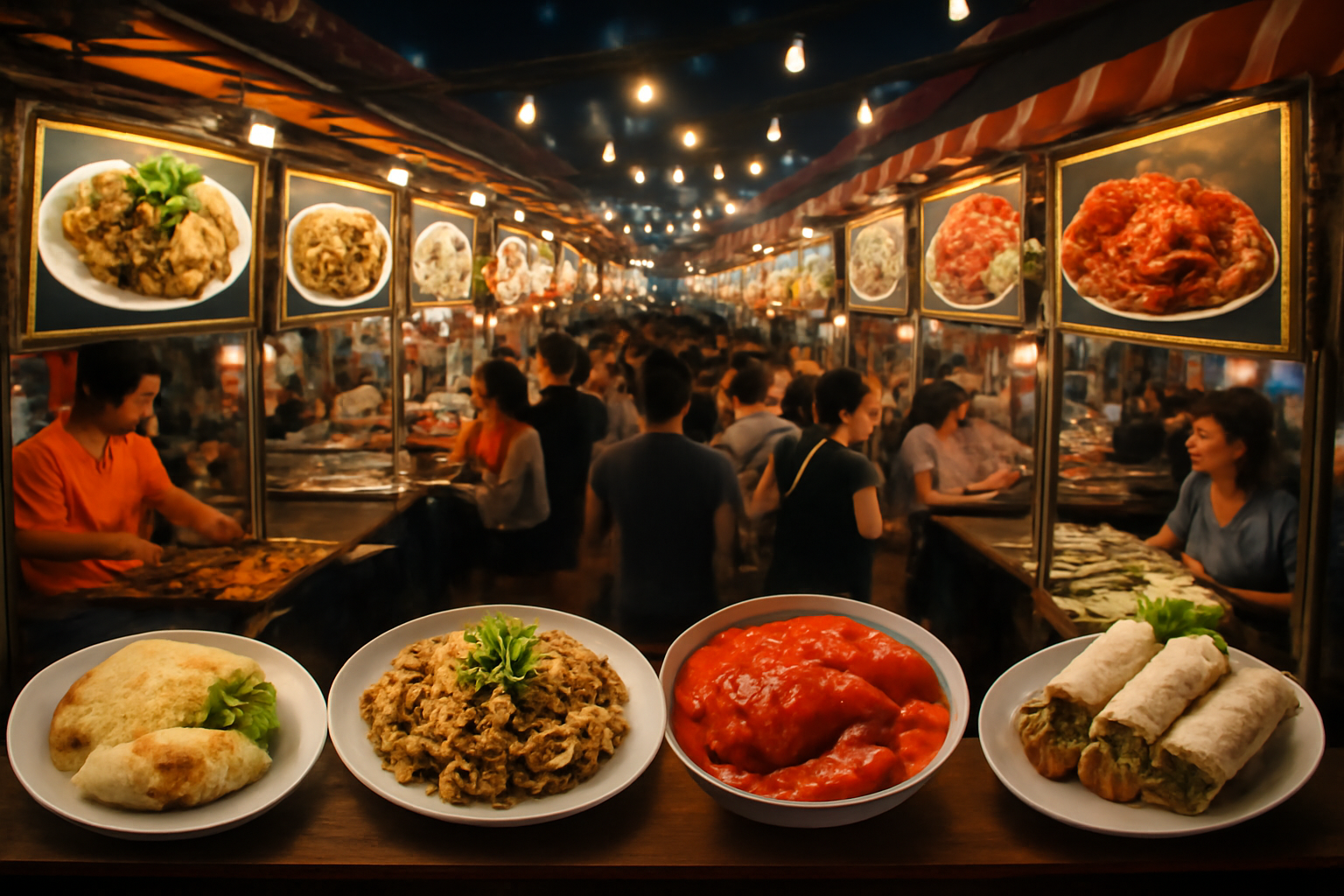
Singapore’s tourism narrative has long included food, but the focus is expanding beyond hawker centres to artisanal bakeries. Visit Singapore’s dining pages now profile neighbourhood bakeries and pastry studios as part of the city’s food tourism appeal (Visit Singapore Dining). International visitors seek out shops that offer a taste of Singapore through modern desserts. This tourism demand supports premium pricing and encourages bakeries to design products that are both portable and photogenic.
Japanese and Nordic Influences
Singapore’s pastry chefs are also borrowing from Japan’s obsession with precision and Scandinavia’s minimalist aesthetics. Japanese techniques such as mousse layering, chiffon cakes, and yuzu-based fillings appear alongside Nordic rye and cardamom notes. This global toolkit allows chefs to express local flavours in unexpected formats. A gula melaka caramel bonbon might sit next to a miso-pandan tart on the same display, showing how boundaries are dissolving.
The Role of Design and Packaging
Heritage-driven premium desserts often feature carefully designed packaging that references local motifs—Peranakan tiles, shophouse colours, or Singapore skyline sketches. This design consciousness extends the cultural story beyond the plate. Customers buy these products as gifts, souvenirs, and social media props. The visual layer adds perceived value and supports higher price points.
New Generation of Pastry Chefs
A new generation of Singaporean pastry chefs, many trained in Paris or Tokyo, is returning home with a mission to build a distinctly Singaporean pastry language. They are not content to replicate European classics. Instead, they ask how local ingredients such as calamansi, gula melaka, pandan, and tapioca can be elevated through modern technique. This creative confidence is pushing the city’s pastry scene into a more original and globally competitive phase.