The most effective zero-waste dining experiences do not begin with a lecture. They begin with a plate that tastes better than the diner expects. In 2026, the Green-House festival’s “Eat Your Scraps!” dinner did exactly that: a six-course menu built from discarded ingredients, served in a setting designed to make upcycling feel practical rather than precious.
The Menu That Starts With the Bin
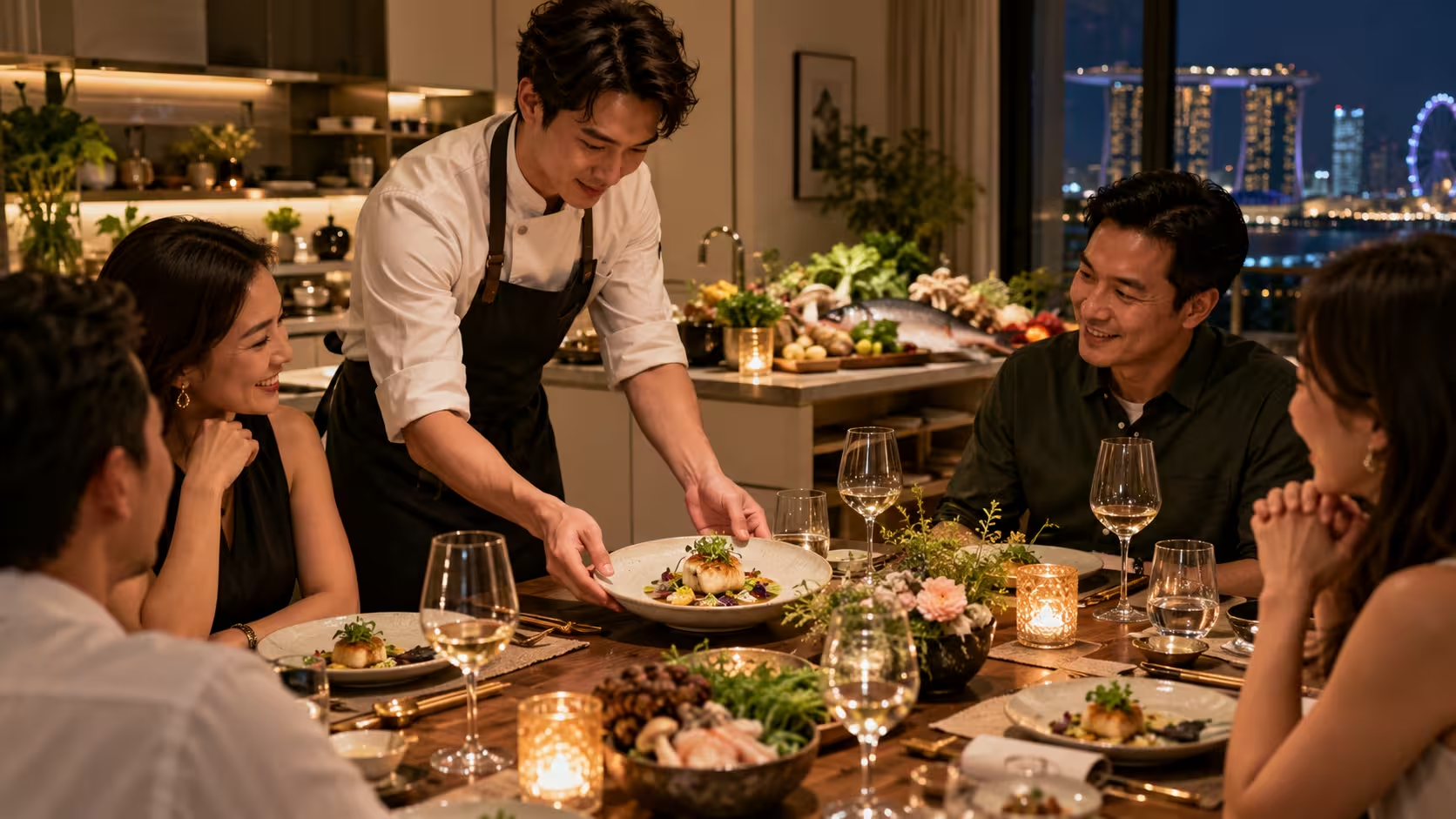
Green-House, an annual eco-conscious event at Temasek Shophouse, returned for its fifth edition in 2026 with the theme “Don’t Waste A Good Time.” As part of the Singapore Night Festival programme, it hosted a six-course dinner co-curated with Nottofu, a creative food studio, using ingredients that would normally be thrown away.
The menu included prawn shells crushed into XO sauce, stale bread transformed into caramelised desserts, and used coffee grounds recycled into dishes. These are not shock-value stunts. They are familiar flavours reassembled from streams that most kitchens treat as waste.
Prawn Shells, Stale Bread, and Coffee Grounds
Why These Ingredients Work
Prawn shells are rich in glutamate and sweetness; when dried and crushed, they become a savoury base with deep marine complexity. Stale bread is essentially dehydrated starch — ideal for caramelisation, thickening or turning into a crunchy texture. Spent coffee grounds retain aroma and bitterness that can be used in rubs, desserts and savoury sauces.
The dinner’s genius is that it does not ask diners to eat something unrecognisable. It asks them to recognise that the boundary between ingredient and waste is often a matter of technique and timing.
Why Experience Beats Lecture
A festival dinner creates permission to experiment. Diners arrive expecting something different, which lowers the barrier to trying fermented trim, shell-based sauces or bread-derived desserts. That psychological shift is important: zero-waste dining scales when it becomes desirable, not when it becomes a moral obligation.
From Festival Tent to Home Kitchen
The Green-House dinner went further than most tasting events by giving diners recipes to take home, so leftovers could be turned into something delicious after the festival ended. The event also featured a marketplace with more than 70 sustainable local brands spanning food, fashion, beauty and homeware.
That combination — a memorable meal, a take-home recipe and a marketplace of products — turns a single dinner into a broader behaviour-change intervention. Diners leave with a technique, not just an impression.
The Next Test for Zero-Waste Dining
The challenge is replication. A festival dinner has novelty on its side; a weekday lunch crowd does not. The operators who succeed in 2026 will be those who take the same principles — whole-ingredient cooking, fermentation, shell-based sauces, bread recycling — and make them routine, costed and fast enough for everyday service.
Green-House shows that the demand exists. The next step is supply-side discipline: training, equipment and menu systems that let ordinary restaurants execute scrap-based dishes consistently, without relying on a festival budget or a celebrity chef.