Spring on a Plate at Shisen Hanten
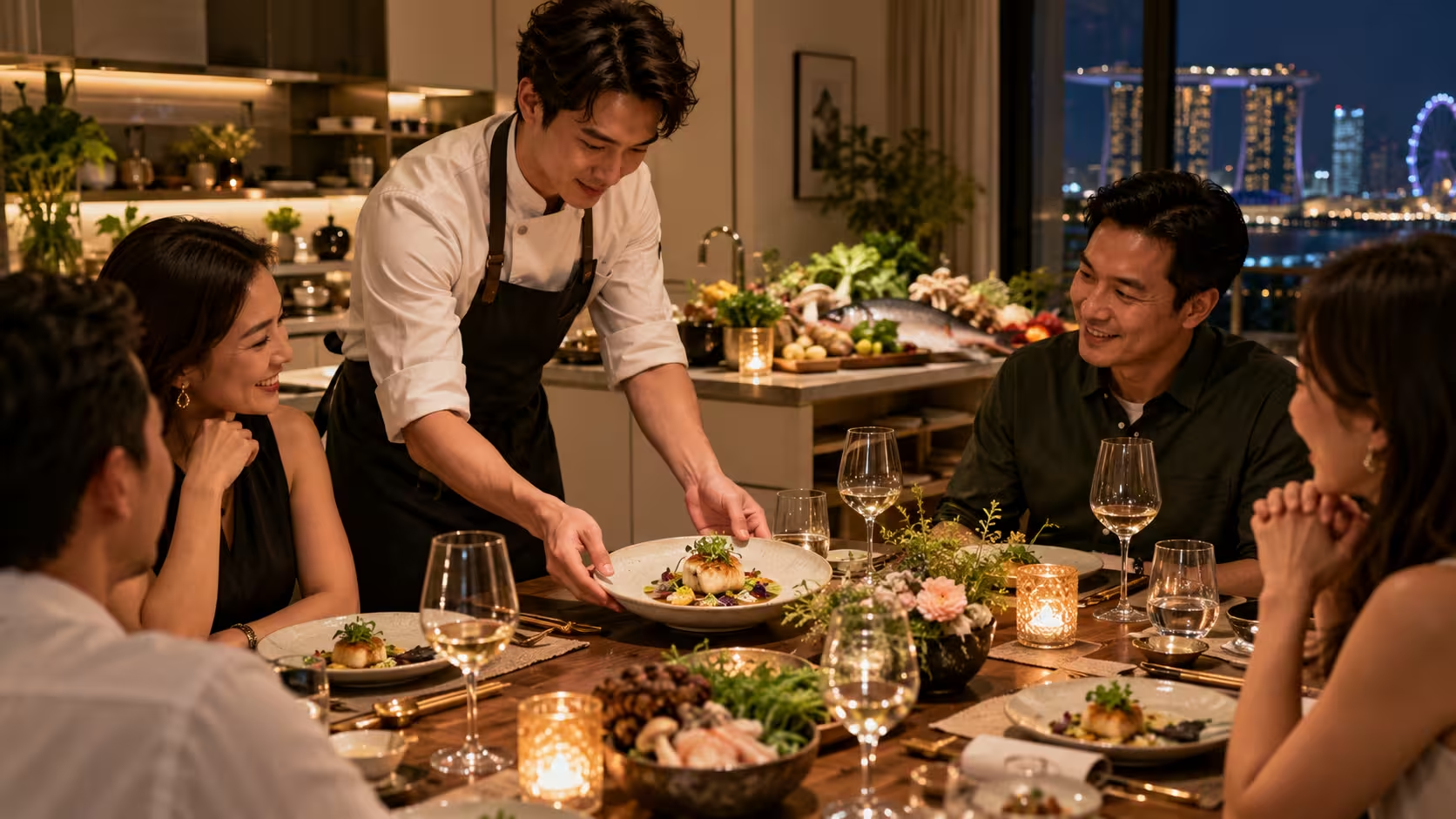
Shisen Hanten by Chen Kentaro has long been associated with the finesse of Chuka Szechwan Ryori — Japanese-Chinese cooking with a Szechwan accent — and its Chef’s Table Spring Menu 2026 shows how seasonality can be a form of luxury without shouting. The eight-course experience, priced at S$288++ per person, was available from March through May 2026, and it built its narrative around the pristine produce of Japan’s spring harvest. This is not a menu that relies on rare truffles or imported luxury ingredients to signal value. Instead, it treats spring asparagus, fresh beancurd skin, broad beans and scallops as the headline acts, framing them within a cuisine known for its balance of sweetness, umami and gentle spice. In a city where chef’s tables often compete on extravagance, Shisen Hanten’s spring menu makes a quieter argument: the most luxurious ingredient is the one that is only available for a few weeks.
An Eight-Course Expression of the Season
The meal opens with a refined Hassun-style assortment of six seasonal bites, including smoked fish with restrained heat, mala barbecued pork, fresh beancurd skin with crab consommé sauce, abalone with glass noodles, and broad beans with scallop in mala egg yolk sauce. A steamed siu mai elevated with Mangalica pork follows, paired with a chilled Japanese turnip consommé that resets the palate. One of the standouts is Hiyama sea cucumber with black truffle: the sea cucumber is sourced from Hokkaido and undergoes an intensive three-day rehydration process before being braised in a rich hong shao sauce and paired with a creamy risotto made from Hokkaido rice. Spring asparagus is presented lightly steamed to preserve its crunch and sweetness, paired with a bold fermented beancurd sauce and finished with sakura salt that carries a delicate cherry-blossom nuance. The A5 Wagyu Beef Spring Roll and a refined “White Mapo” tofu with wild prawns, scallops and king crab close the savoury progression. Each course is a seasonal argument, not a seasonal decoration.
Chef’s Table as a Seasonal Calendar
The Chef’s Table format at Shisen Hanten is particularly well suited to this kind of menu because it allows the kitchen to control the sequence and the pacing. The diner is not assembling a meal from an à la carte list; the chef is presenting a seasonal calendar in courses. That model has become one of the defining features of Singapore’s high-end dining scene in 2026, where chef’s tables and counter seats are increasingly where the most interesting seasonal cooking happens. Shisen Hanten’s spring menu is not the most avant-garde chef’s table in the city, and it does not try to be. Its strength lies in execution, sourcing and the discipline of a cuisine that understands how to make spring produce taste like spring. For diners who want a Michelin-starred chef’s table that feels rooted in tradition rather than trend, the Spring Menu 2026 is a reminder that seasonality is not a marketing angle. It is a kitchen discipline — and at its best, it is the most persuasive luxury of all.