In Singapore, fitness has become more than a personal hobby. It is now part of a broader lifestyle shaped by health awareness, urban convenience, social influence, and access to quality facilities. Many residents are actively looking for ways to stay fit despite busy schedules and demanding routines. This has created a diverse fitness culture where gym workouts, outdoor sports, wellness practices, and digital training all play important roles.
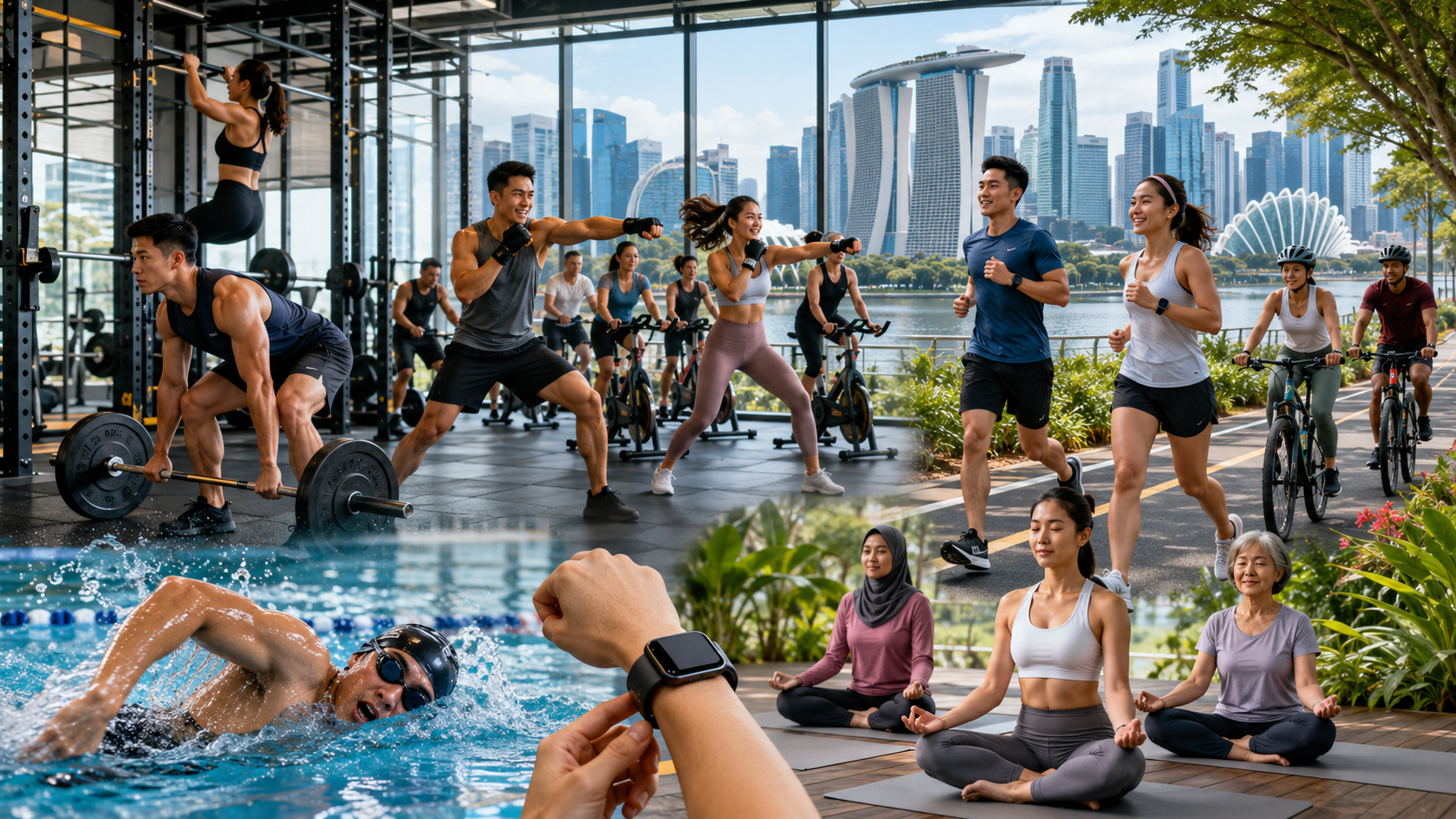
A major trend in Singapore is the continued popularity of fitness centers. Gyms appeal to people who want a controlled environment with equipment, trainers, and measurable progress. Weight training has become especially common because people are more aware of its long-term benefits. Building strength can improve metabolism, support joint health, enhance posture, and reduce the risk of injury. Many gym users now combine strength exercises with cardio, mobility work, and stretching to create a more complete program.
Functional fitness is also gaining attention. This type of training focuses on movements that reflect real-life activities, such as lifting, pushing, pulling, bending, and balancing. It is popular because it improves overall body coordination and practical strength. Workouts often include kettlebells, medicine balls, resistance bands, bodyweight exercises, and circuit formats. For people who want fitness that supports daily performance, functional training is highly appealing.
Group-based workouts remain a strong part of Singapore’s exercise culture. Classes such as spinning, boxing, HIIT, dance fitness, and Pilates offer structure and motivation. Many people enjoy the community atmosphere because it helps them stay committed. The instructor-led format also reduces uncertainty, especially for beginners who may not know how to design their own workout plans. In a busy city, having a fixed class schedule can make fitness feel easier to manage.
Outdoor exercise is another important trend. Singapore’s clean parks, waterfront paths, and park connectors make it convenient for residents to run, walk, or cycle. Running is popular because it is simple and flexible. Some people run for general health, while others train for races or personal milestones. Cycling is also widely enjoyed, particularly on weekends. It gives people a chance to exercise while exploring different parts of the city.
Swimming deserves special mention as well. With Singapore’s warm climate and many public swimming complexes, swimming is a practical and enjoyable form of exercise. It is suitable for different age groups and is gentle on the joints. Many people use swimming for endurance, rehabilitation, relaxation, or full-body conditioning.
Yoga and Pilates continue to grow because they meet the need for both physical and mental balance. Yoga supports flexibility, breathing control, and stress relief. Pilates strengthens the core and improves posture, which is useful for people who spend long hours sitting at computers. These practices are often chosen by individuals who want a calmer, more mindful approach to fitness.
The role of technology cannot be ignored. Fitness apps, smartwatches, online workout videos, and virtual coaching have made exercise more personalized. People can track their progress, set goals, and train at home when they cannot visit a gym or studio. This flexibility is one reason digital fitness remains attractive.
Singapore’s approach to fitness is diverse and practical. Residents can choose premium studios, public facilities, outdoor routes, home workouts, or community programs. This variety makes it easier for people with different budgets, ages, and fitness levels to stay active. As health becomes a greater priority, Singapore’s fitness culture will continue to reflect a balance between performance, wellness, convenience, and community connection.