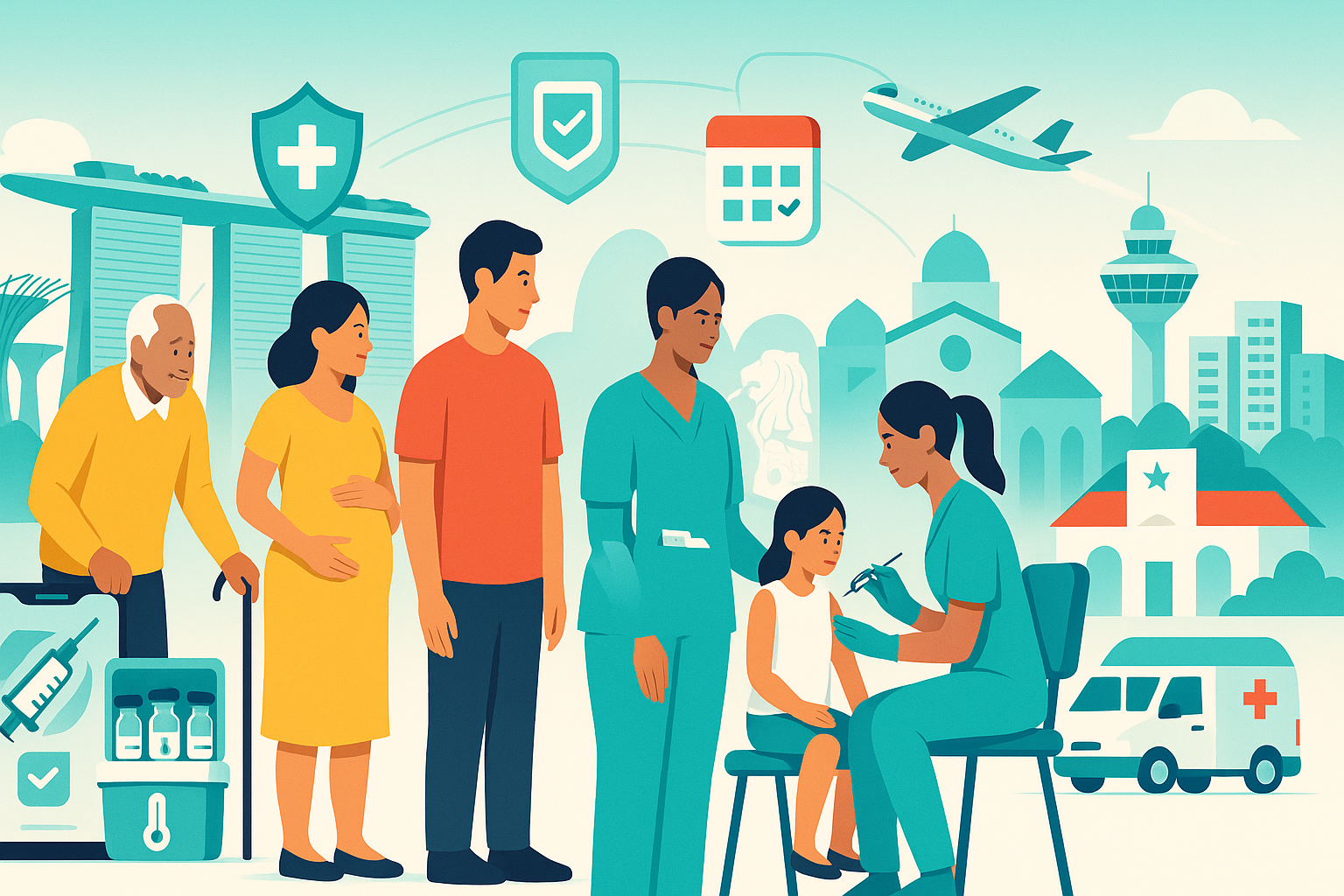
Singapore has developed one of the world’s most effective public health systems by blending strategic policy, technological innovation, and citizen engagement. The government views health as a critical component of social and economic resilience, emphasizing proactive measures to prevent illness while ensuring that healthcare remains accessible and sustainable.
Prevention is central to Singapore’s health strategy. Nationwide screening programs, immunization initiatives, and lifestyle promotion campaigns aim to detect diseases early and reduce their prevalence. The Health Promotion Board (HPB) spearheads efforts to promote exercise, balanced diets, and mental well-being through educational campaigns and community programs. Programs such as “Screen for Life” provide regular screenings for conditions like cancer, diabetes, and hypertension, improving early detection and reducing long-term medical complications.
Healthcare financing in Singapore balances personal responsibility with government support. Medisave allows citizens to save for medical expenses, MediShield Life provides universal coverage for severe illnesses, and Medifund ensures access for those with financial constraints. This system maintains equity and affordability, encouraging efficient use of healthcare resources while protecting vulnerable populations from financial hardship.
Digital health innovation underpins much of Singapore’s policy effectiveness. The National Electronic Health Record (NEHR) system enables clinicians across hospitals and clinics to access real-time patient information, improving coordination and treatment outcomes. Telemedicine and mobile health applications provide convenient access to medical consultations, while AI and data analytics guide preventive strategies and resource allocation. These tools strengthen both individual care and population-level health management.
Chronic disease management is a priority in Singapore’s healthcare planning. Programs integrate primary care, specialist services, and community support to provide continuous, patient-centered care. Initiatives such as the “Community Health Assist Scheme” subsidize treatment for chronic conditions, promoting self-management and reducing hospital admissions. The focus on ongoing care rather than episodic treatment demonstrates the government’s commitment to long-term population health.
Public education and engagement are critical to policy success. Health promotion campaigns across schools, workplaces, and digital media raise awareness about lifestyle choices, preventive care, and mental health. By empowering citizens with knowledge and resources, Singapore cultivates a culture of personal accountability, reinforcing the effectiveness of national health strategies.
Through prevention, innovation, and community involvement, Singapore’s public health policies position the nation for a healthier future. The integrated approach addresses current health challenges while anticipating emerging trends, ensuring that citizens benefit from a robust, efficient, and sustainable healthcare system.