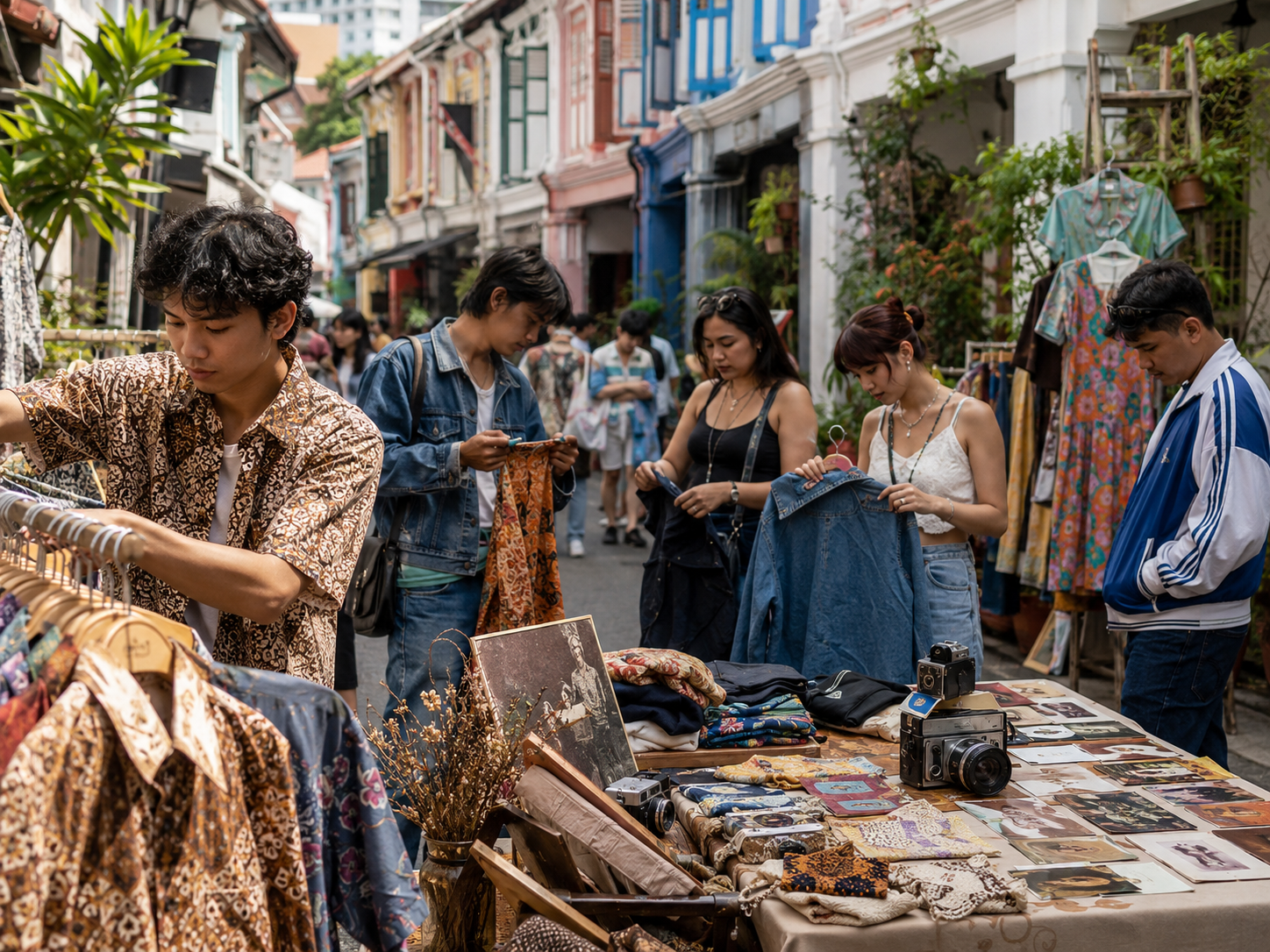
The vintage fashion economy in Singapore is increasingly digital. What once happened in crowded thrift stores now unfolds across Carousell listings, Instagram storefronts and TikTok Live auctions. In 2026, social commerce has become the primary discovery channel for retro clothing among Singaporeans under 35, reshaping how sellers source, market and sell.
Carousell’s Enduring Role in Preloved Fashion
Carousell remains the backbone of Singapore’s online secondhand market. Its categories for vintage clothing, bags and accessories see millions of monthly searches. According to Carousell’s 2026 Preloved Fashion Report (carousell.sg), listings tagged “vintage” grew 41 percent year-on-year, with the fastest-growing subcategories being 1990s streetwear and early 2000s bags. The platform’s user-to-user model allows small collectors to sell directly, bypassing traditional consignment fees and reaching buyers across the island.
From Listings to Storytelling
Sellers on Carousell are no longer just posting photos and prices. Many now include detailed condition notes, era descriptions and styling suggestions. This shift reflects a broader expectation among buyers: they want provenance, not just product. Top sellers build repeat customers through personalised recommendations and behind-the-scenes content about their sourcing trips, turning transactions into ongoing relationships.
Instagram as a Visual Storefront
Instagram remains the preferred platform for curated vintage boutiques. Its visual format allows sellers to create cohesive brand identities, from moody 1990s minimalism to bright Y2K nostalgia. Many stores use Instagram Stories for flash drops and polls, creating a sense of urgency and community. In 2026, successful Instagram vintage sellers in Singapore often have waitlists for rare items, particularly local labels and Japanese denim. The platform also enables direct communication, allowing sellers to authenticate pieces and answer questions in real time.
TikTok Live Auctions and Real-Time Selling
The most dynamic development is TikTok Live shopping. Sellers host real-time auctions where viewers bid on vintage pieces while watching try-on sessions. This format replicates the thrill of physical thrift shopping while reaching thousands of viewers simultaneously. Some Singapore-based vintage sellers have built six-figure monthly revenues through TikTok Live alone, according to industry estimates. The interactive nature of live selling also reduces return rates, as buyers can ask questions about fit, flaws and fabric before purchasing.
The Rise of Side Hustles and Micro-Entrepreneurs
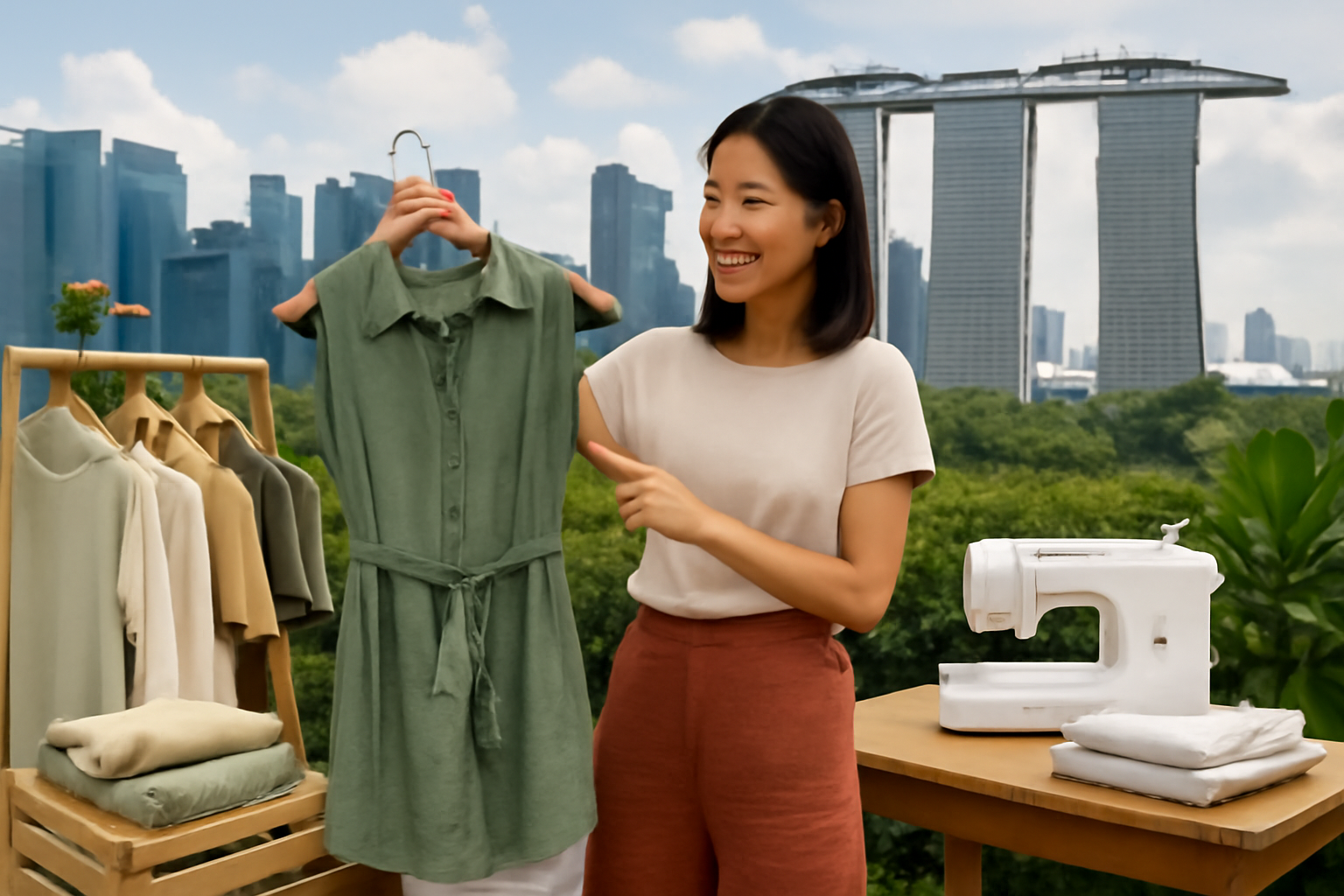
Digital platforms have lowered the barrier to entry for vintage fashion entrepreneurship. University students, stay-at-home parents and office workers are turning their passion for thrifting into side incomes. They source from local thrift stores, estate sales and overseas suppliers, then curate collections for niche audiences. This democratisation has diversified Singapore’s vintage scene, bringing in more local labels, size-inclusive options and affordable price points.
As platform algorithms continue to reward authentic storytelling and niche expertise, Singapore’s digital vintage economy is poised to become more sophisticated and inclusive.