A Successful Series Is Not the Entire Business
Television commissions and streaming agreements can provide important production revenue, but they rarely represent the full commercial potential of an animated property.
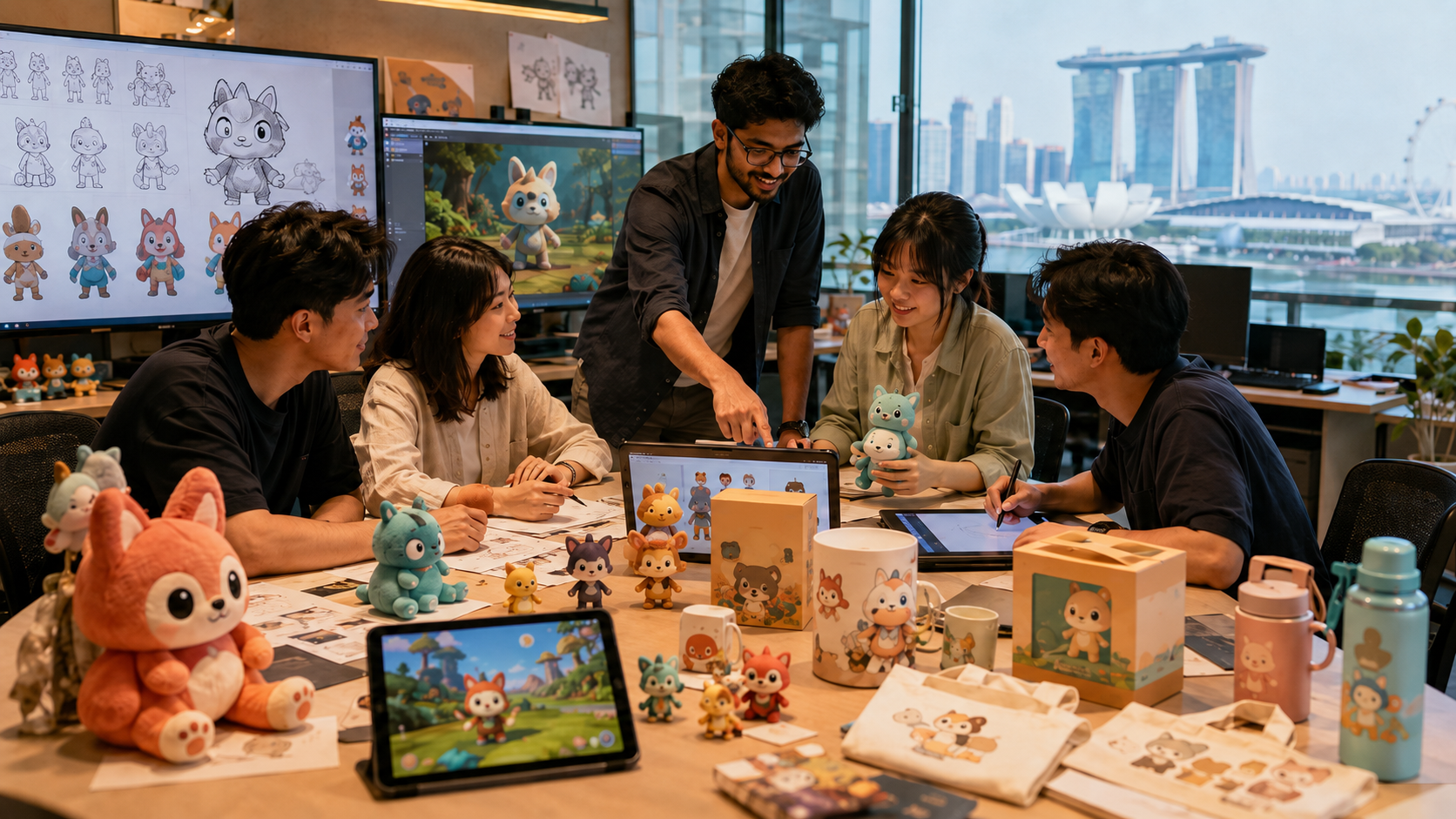
For Singapore studios, the more valuable long-term strategy is to treat each project as a portfolio of intellectual property rights. Characters, visual designs, stories, names, music, and fictional environments can generate income through multiple channels.
This model is important because animation production costs are high, while broadcasters and platforms may demand extensive rights. A studio that depends entirely on production fees can remain financially vulnerable even when its work reaches a large audience.
Character Recognition Supports Licensing
An animated character must be recognizable before consumers will buy products associated with it. Studios therefore need consistent design, personality, color, behavior, and emotional appeal.
One Animation’s Oddbods illustrates how distinctive characters and visual comedy can support international recognition. The property has extended beyond standard episodes into digital content, games, promotional partnerships, and consumer-facing products.
Not every project needs to become a mass-market toy franchise. Smaller properties may find commercial opportunities in books, educational materials, mobile applications, collectibles, location-based experiences, or partnerships with tourism and cultural organizations.
Digital Distribution Provides Valuable Audience Evidence
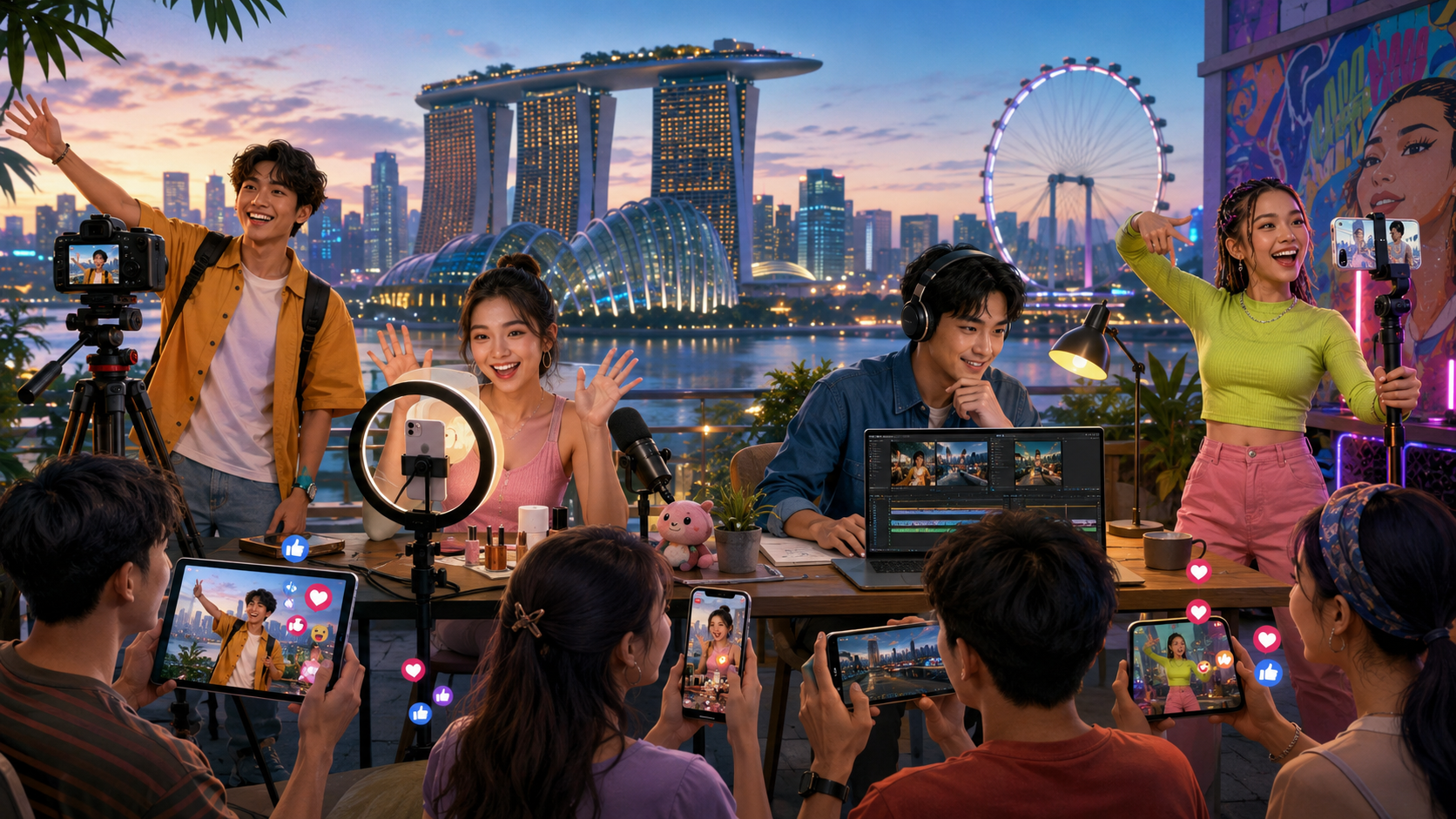
YouTube, social media, mobile platforms, and free ad-supported streaming channels allow studios to observe audience behavior directly.
Data on viewing duration, repeat engagement, geography, age suitability, and character popularity can strengthen discussions with investors and licensing partners. A studio can demonstrate that a property already has an audience rather than relying only on creative predictions.
However, digital popularity does not automatically produce revenue. Studios need clear pathways that move viewers from free content toward products, subscriptions, games, live events, or commercial partnerships.
Games and Interactive Media Offer Natural Expansion
Animation and games share many assets, including characters, environments, sound, movement, and world-building. A property developed with interactive expansion in mind can reuse parts of its visual library.
A preschool series might become a learning application. An adventure property could support a mobile game. A comedy franchise may work as a collection of short challenges or augmented-reality experiences.
Interactive development should still match the identity of the original property. A poorly designed game can damage audience trust even when the animated series is popular.
Intellectual Property Protection Is Essential
Before approaching international partners, studios should register relevant trademarks, document ownership, secure contributor agreements, and clarify rights to music, artwork, voices, and software assets.
The Intellectual Property Office of Singapore provides official information on patents, trademarks, copyright, designs, and intellectual property services.
Protection is especially important when a project enters several markets. Trademark rights are territorial, and a name available in Singapore may already belong to another company elsewhere.
Studios should also monitor unauthorized merchandise and online content while maintaining practical enforcement priorities. Not every infringement requires the same legal response.
Building a Franchise Requires Long-Term Planning
A sustainable animation business needs creative ambition and commercial discipline. Producers must consider audience development, rights ownership, licensing categories, partner selection, marketing costs, and product quality from the earliest stages.
Singapore’s international business environment gives local studios a strong base for managing regional and global rights. The most competitive companies will be those that move beyond one-off production contracts and retain a meaningful share of the intellectual property they create.
By combining animation, digital content, games, education, licensing, and physical experiences, Singaporean studios can build revenue streams that continue long after an episode first appears on screen.