The Digital Shelf Is the New Pharmacy
Singapore’s health supplement market is undergoing a channel revolution. While physical pharmacies remain important, e-commerce platforms—Shopee, Lazada, and iHerb—are rapidly capturing share, particularly among younger, digitally native consumers.
According to TMO Group data, the market value of dietary supplements on Shopee across Southeast Asia reached USD 2.53 billion in 2025, with Singapore accounting for 10.3% of that total—a disproportionate share given the city-state’s population size. On Shopee and Lazada combined, Singapore held 9.7% of Southeast Asian health supplement sales in July 2025.
Why E-Commerce Matters More Than the Numbers Suggest
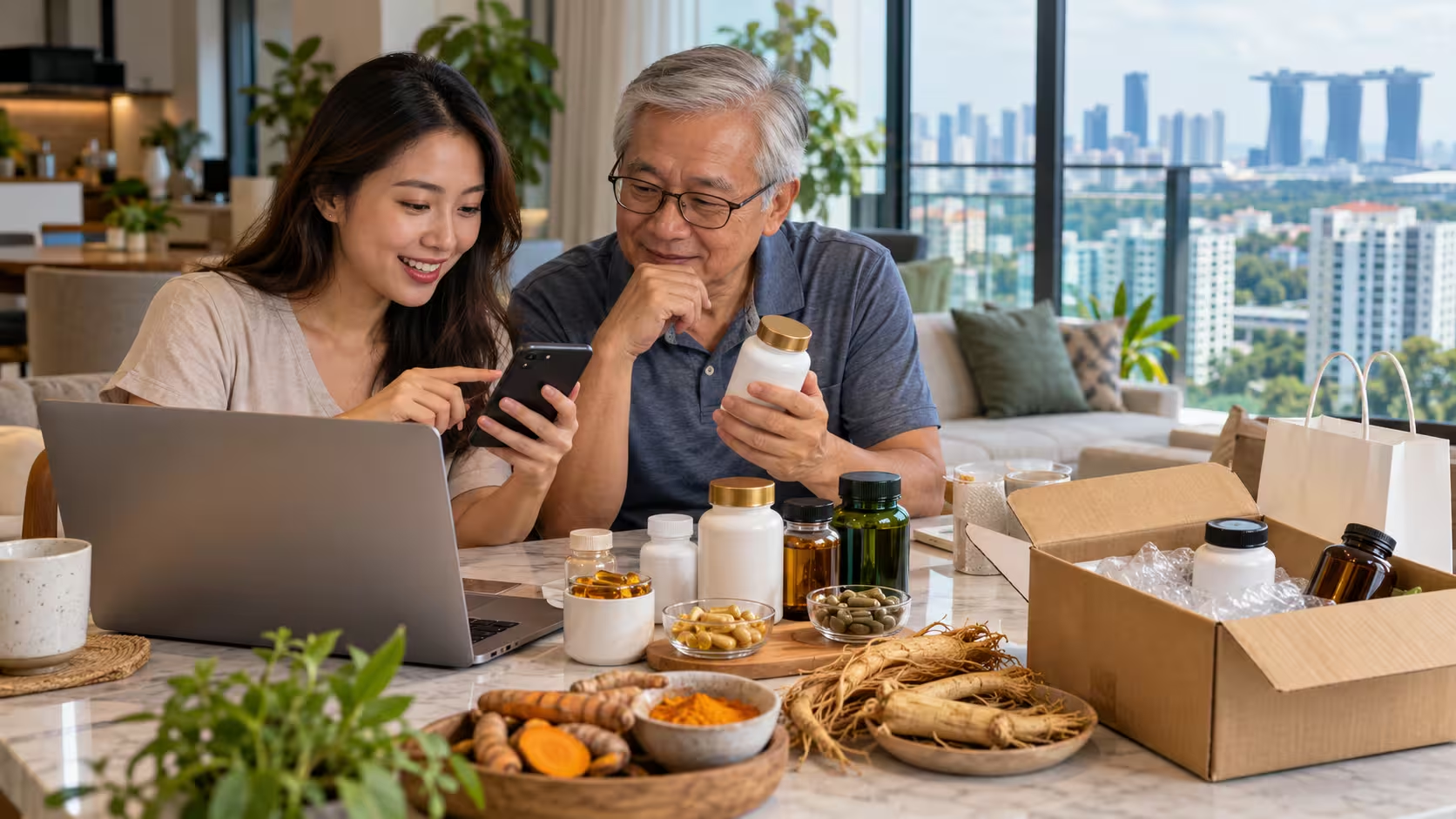
The 10.3% share understates e-commerce’s strategic importance. Online channels are where product discovery happens. A consumer researching turmeric curcumin or ginseng extract begins with a Google search or a social media recommendation, not a pharmacy visit. By the time they enter a physical store, the purchase decision is often already made.
The e-commerce share is also projected to grow. Industry analyses indicate that online purchases will rise from 10% to approximately 15% of total supplement sales by 2029. For brands without a robust e-commerce presence, that 5-percentage-point shift represents a significant loss of addressable market.
The Ageing Population Dividend
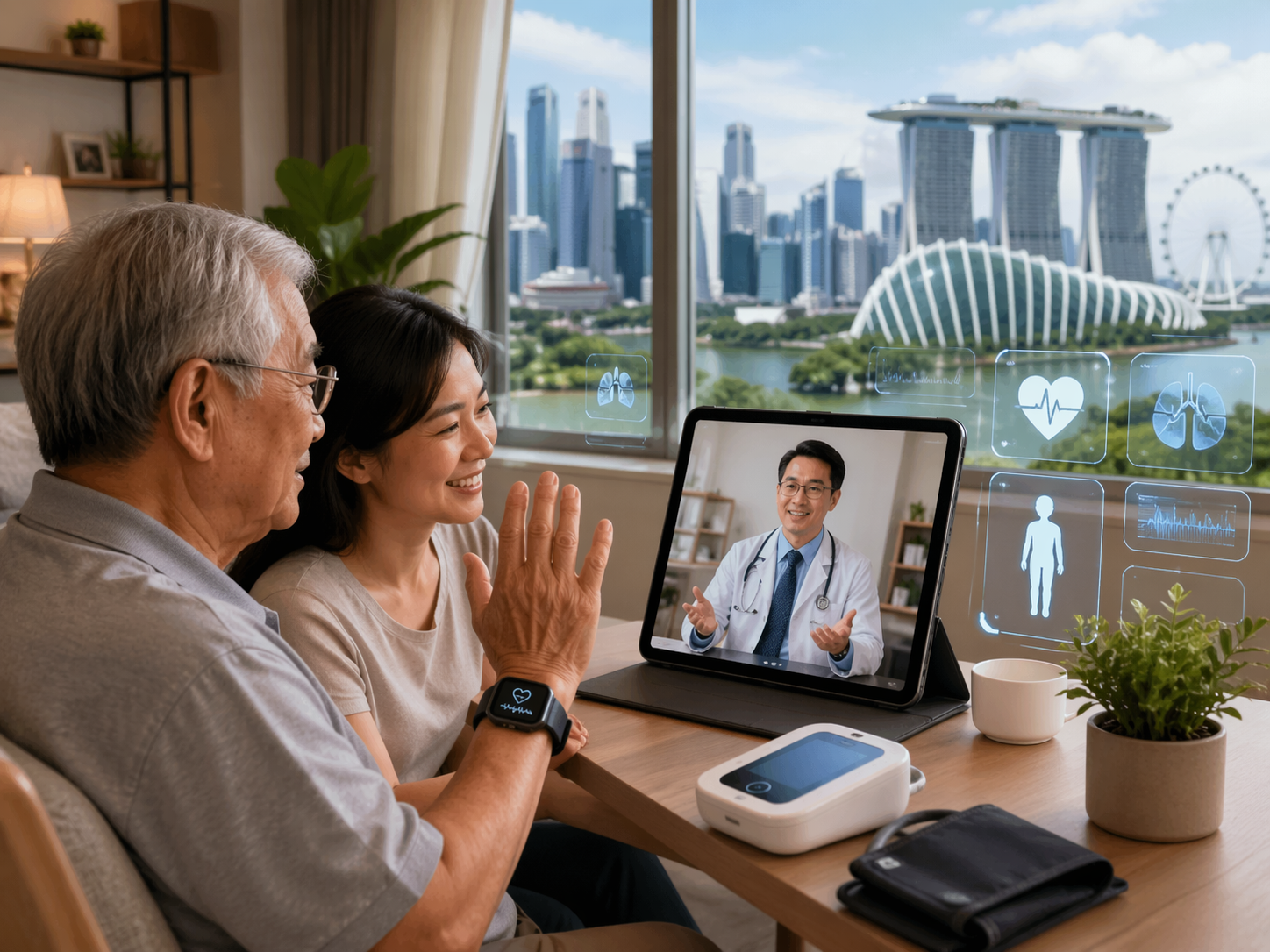
Singapore’s demographic trajectory is a structural tailwind for the supplement industry. The city-state is one of Asia’s fastest-ageing societies, and Euromonitor identifies this as a primary driver: “Singapore’s status as an increasingly ageing nation continues to create strong growth opportunities for vitamins and dietary supplements”.
Value sales of consumer health products are rising in 2025, “supported by Singapore’s ageing population and greater focus on wellness and preventive health”. Older Singaporeans are not passive consumers; they are actively managing their health with a combination of conventional medicine, TCM, and nutritional supplements. The herbal/traditional segment benefits disproportionately, given its cultural resonance with older Chinese Singaporeans.
The Preventive Health Shift
The ageing population narrative is complemented by a broader cultural shift toward preventive health. Singapore’s healthcare system has long emphasised personal responsibility and preventive care, and this ethos extends to consumer behaviour. Singaporeans are increasingly purchasing supplements not to treat illness, but to maintain function—joint health, cognitive performance, immune resilience, and energy.
This preventive orientation favours herbal and botanical ingredients, which are perceived as gentler and more suitable for long-term daily use than pharmaceutical alternatives. It also favours subscription models and bundled regimens, formats that e-commerce platforms are well-suited to deliver.
The Trust Deficit and the Review Economy
One barrier to online supplement sales is trust. Consumers cannot inspect the product, verify the source, or consult a pharmacist. In response, successful brands are investing in radical transparency: batch testing certificates, third-party lab results, sourcing maps, and detailed ingredient breakdowns.
The review economy amplifies this. On Shopee and Lazada, product ratings and user reviews serve as proxies for trust. A turmeric supplement with 500 reviews and a 4.8 rating carries more persuasive weight than a brand advertisement.
The Regulatory Layer
E-commerce platforms are not exempt from HSA oversight. Shopee’s seller guidelines explicitly state that health supplements cannot contain prescription medicines, illegal drugs, banned or harmful chemicals, or “human or animal parts that may transmit diseases”. With the proposed CHP framework introducing mandatory traceability and advertisement controls by 2028, e-commerce sellers will face heightened compliance requirements.
The Omnichannel Imperative
The data points to a clear conclusion: the Singaporean wellness consumer is omnichannel. They discover on social media, research on Google, purchase on Shopee or Lazada, and supplement with pharmacy visits for urgent needs or expert advice. Brands that treat e-commerce as a secondary channel—or a discount outlet—are misreading the market.
The future belongs to brands that can deliver a seamless experience across digital and physical touchpoints, backed by the transparency and scientific substantiation that Singaporean consumers increasingly demand.