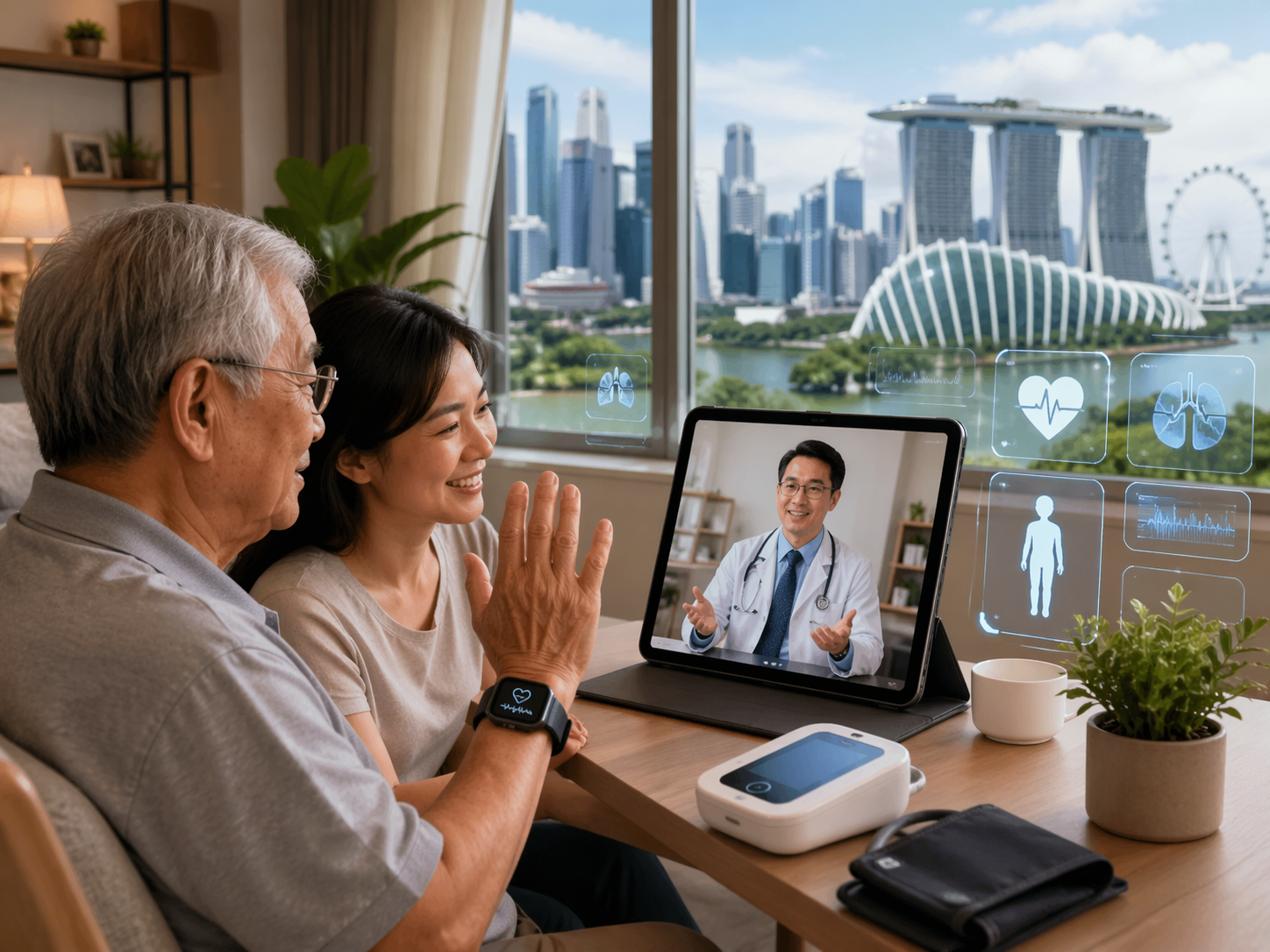
Telemedicine is reshaping the healthcare landscape in Singapore, providing patients with an alternative to traditional in-person consultations. This technology leverages digital platforms to facilitate remote healthcare delivery, enabling patients to consult with doctors without leaving their homes. The benefits of telemedicine are vast, and it is rapidly becoming an essential component of Singapore’s healthcare system.
One of the key factors driving the adoption of telemedicine in Singapore is its ability to improve healthcare access. With a diverse population and a high concentration of elderly citizens, telemedicine provides a solution for those who may find it difficult to visit healthcare facilities in person. The convenience of virtual consultations ensures that individuals living in urban areas or remote locations can receive medical care without the need for extensive travel.
Telemedicine also enhances the management of chronic illnesses, which are a growing concern in Singapore. Chronic diseases such as heart disease, diabetes, and respiratory conditions require ongoing monitoring and management. Telemedicine allows patients to track their health metrics at home and share the data with their healthcare providers. This continuous feedback loop ensures that patients receive personalized care tailored to their specific needs.
Another significant advantage of telemedicine is its role in reducing healthcare costs. With fewer patients visiting physical clinics, healthcare providers can allocate their resources more efficiently, focusing on urgent cases while providing remote care for less critical conditions. This helps prevent overcrowding in hospitals and clinics and reduces the financial burden on the healthcare system.
The government of Singapore has actively supported the growth of telemedicine through policies and funding initiatives. By integrating telemedicine into national health programs, Singapore is not only enhancing the accessibility of healthcare but also positioning itself as a leader in digital health innovation.