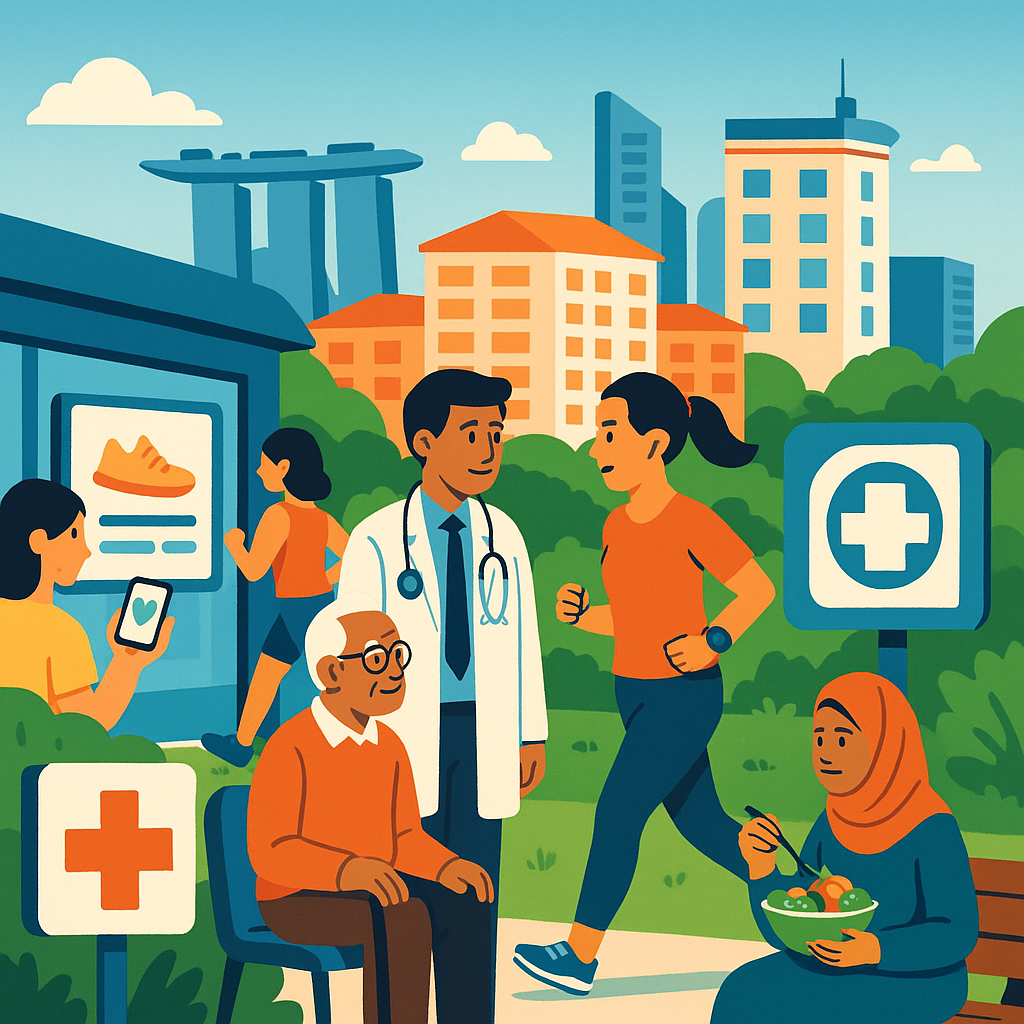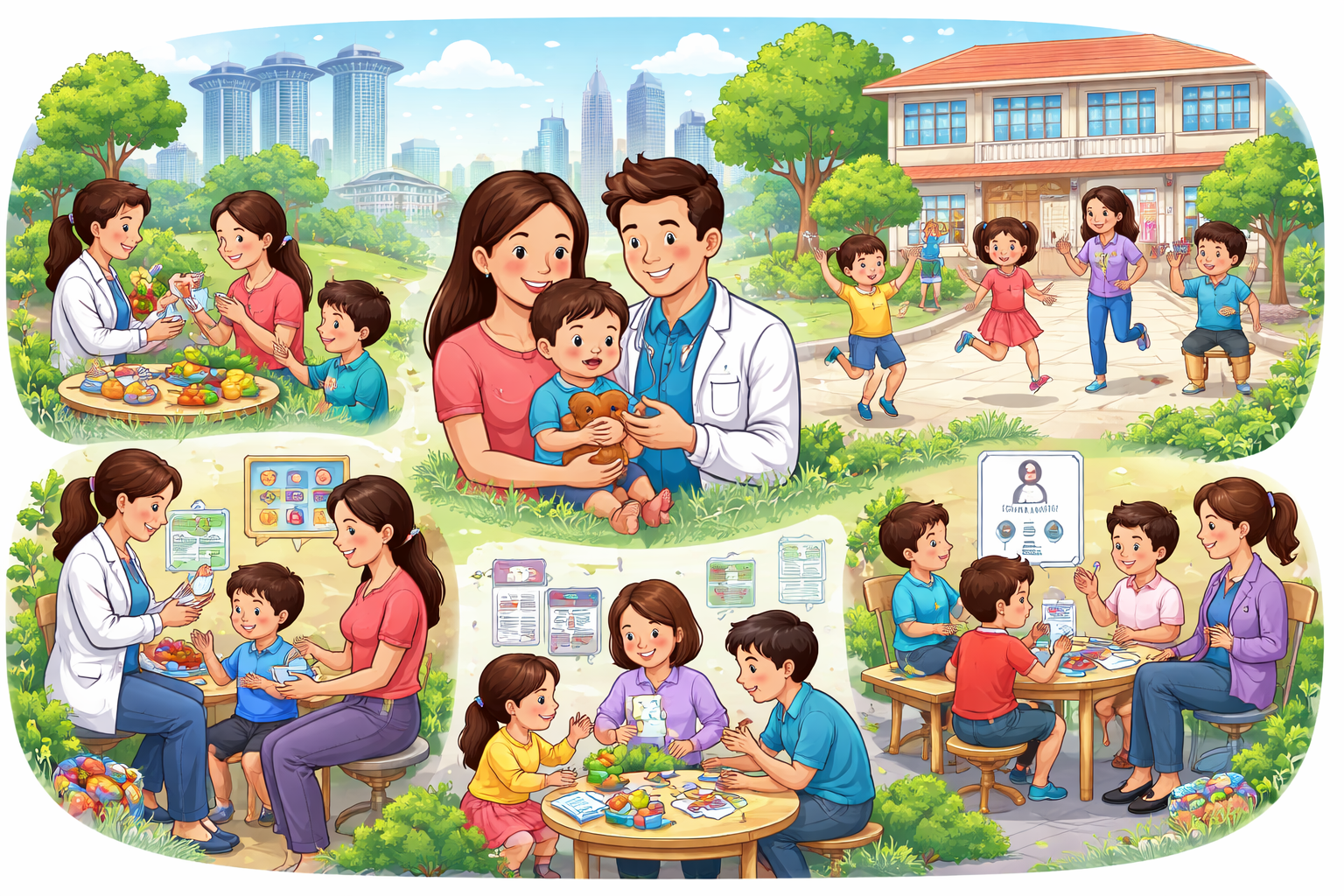
The child health system in Singapore reflects a broad understanding of what children need in order to grow well. It is not based solely on hospital treatment or specialist visits. Instead, the country uses a combination of preventive healthcare, public education, school health initiatives, developmental support, and family involvement. This multi-layered strategy helps children receive care before problems become severe and supports healthier development across different stages of life.
Early childhood is a major focus area. During the first years of life, regular medical assessments help track physical and developmental progress. Doctors and nurses look at factors such as growth, motor skills, communication, behavior, and nutrition. These check-ups are valuable because some issues are easier to manage when identified early. A child with delayed speech, sensory difficulties, or developmental concerns can be referred for further evaluation before these challenges begin to interfere more seriously with learning and social interaction.
Vaccination is one of the most visible and effective public health tools in Singapore’s child health efforts. A structured immunization system helps protect children from infectious diseases that were once major causes of illness and complications. Maintaining strong vaccine uptake is especially important in a densely populated country, where close contact in homes, schools, and public transport can increase transmission risks. Through education and access, Singapore supports parents in keeping children protected according to recommended schedules.
Another major component is healthy living education. Child health in Singapore is closely linked to the promotion of balanced diets, physical activity, rest, and hygiene. These messages appear in schools, public campaigns, and healthcare discussions with parents. The purpose is not only to prevent current illness but also to shape habits that reduce the future risk of obesity, diabetes, cardiovascular problems, and other long-term conditions. This is a forward-looking strategy that views childhood as the starting point of lifelong health.
Schools contribute significantly to this effort. Because children spend so much time in educational settings, schools serve as effective places for screening and health promotion. Examinations related to eyesight, hearing, oral health, and posture allow many issues to be discovered early. This matters because untreated health concerns can affect academic performance, self-esteem, and social participation. School-based health efforts also make support more accessible, especially for families who may not recognize early warning signs themselves.
Mental health support is becoming increasingly important in Singapore’s child wellness framework. Emotional strain, anxiety, attention difficulties, and behavioral problems can affect school performance and family life even when a child appears physically healthy. Singapore has moved toward a more inclusive view of pediatric care by recognizing the need for counseling, psychological support, and early mental health intervention. This reflects growing awareness that emotional well-being is essential to overall development.
Children who need more specialized support are not left out of the system. Those with autism spectrum disorder, developmental delay, speech and language challenges, or chronic health conditions can access intervention and specialist care designed to improve daily functioning. Such services often involve therapists, medical teams, educators, and parents working together. This coordinated support can help children build communication skills, adapt more confidently to school, and participate more fully in everyday life.
Singapore’s child health programs show how a nation can combine prevention, education, and targeted care into one effective framework. By supporting children physically, emotionally, and developmentally, the country creates conditions in which young people are better prepared not only to avoid illness, but also to thrive throughout childhood and beyond.