Singapore’s Chinatown offers an immersive experience for anyone looking to explore the island’s Chinese heritage. This historical district is filled with stories from the past, reflected in its architecture, cultural sites, and vibrant community. A historical tour of Chinatown provides a window into the lives of the early Chinese immigrants who helped shape the Singapore we know today.
The Chinatown Heritage Centre is one of the best places to start a historical tour. This museum is dedicated to preserving the stories of the Chinese migrants who arrived in Singapore between the early 1800s and 1900s. Through exhibits and restored shophouses, visitors gain insight into the difficult living conditions faced by early settlers and the ways they adapted to their new home. The museum’s thoughtful displays paint a vivid picture of the immigrant experience, from the journey across the sea to the establishment of a new community in Singapore.
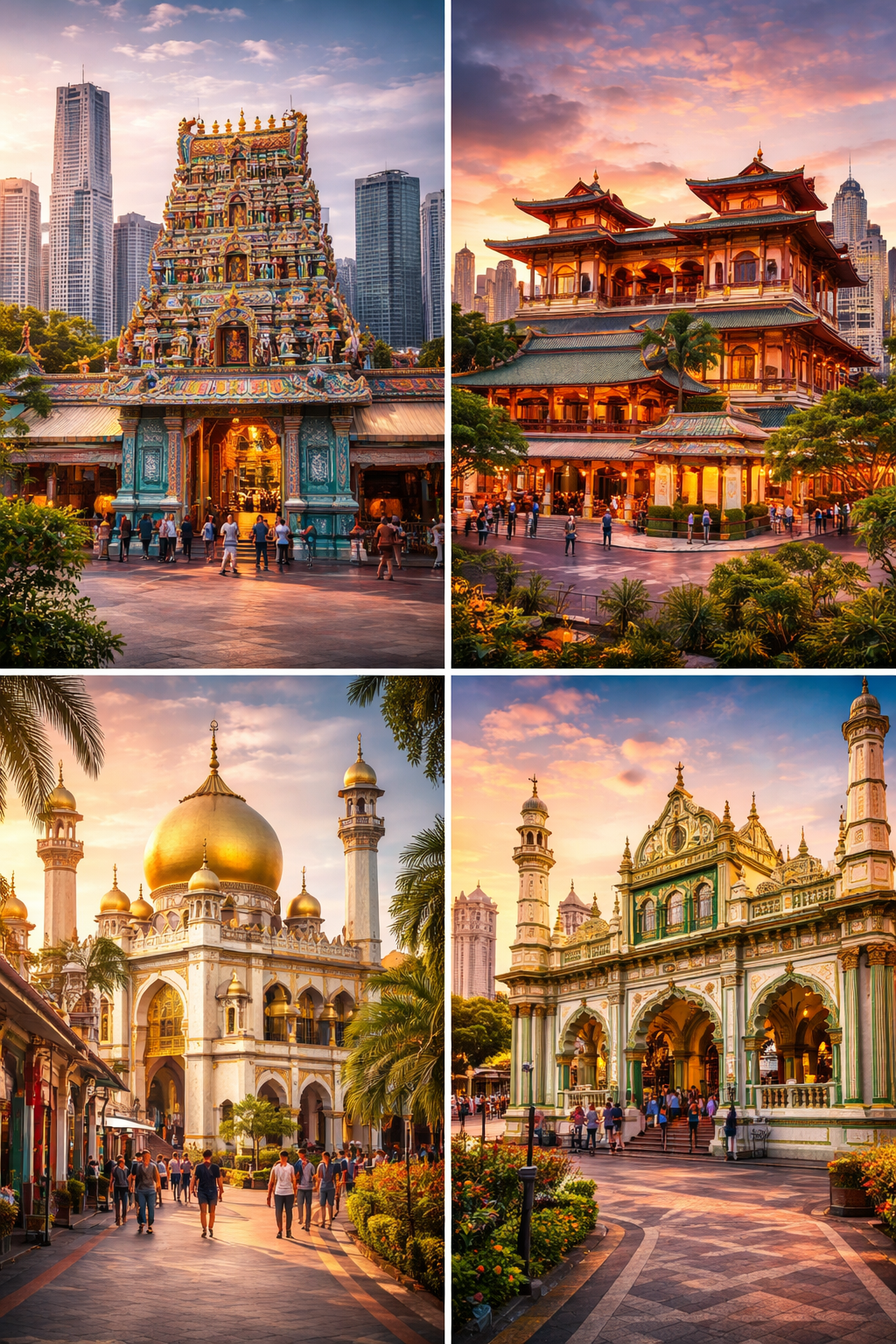
Thian Hock Keng Temple, which was established in 1839, is another important historical site. This temple is one of the oldest and most significant Chinese temples in Singapore, built by the Hokkien community to honor Ma Zu Po, the Taoist goddess of the sea. The temple’s exquisite architecture, complete with intricate carvings and ornamental decorations, serves as a testament to the craftsmanship and devotion of the early Chinese settlers.
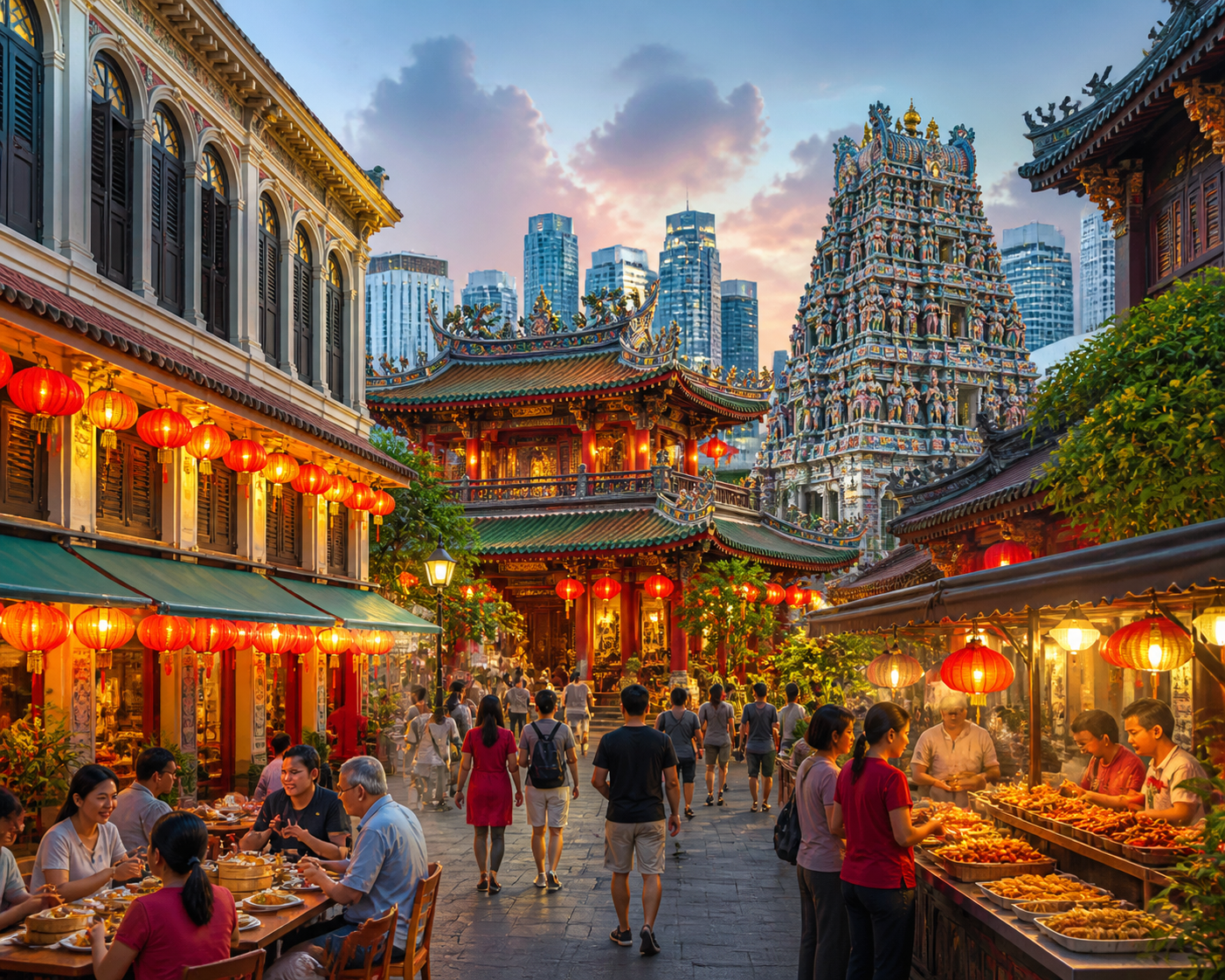
A visit to Sri Mariamman Temple is another way to explore the cultural diversity of Chinatown. Built in 1827, this Hindu temple is the oldest of its kind in Singapore and has been a symbol of unity between the Chinese and Indian communities. The temple’s ornate exterior, with its vibrant depictions of Hindu gods, provides insight into the religious practices of both communities in Chinatown.
Walking through the streets of Chinatown is like stepping into a living museum. The district’s historic shophouses, with their blend of colonial, Chinese, and Malay architectural influences, tell the story of Chinatown’s commercial and social development over the years. Many of these buildings are still used as shops and restaurants, offering visitors a chance to experience the district’s living history.
Chinatown is also known for its food, which plays a significant role in Singapore’s culinary culture. The Chinatown Food Street is a bustling location where visitors can sample traditional Chinese dishes such as dim sum, satay, and laksa. These foods reflect the rich culinary traditions brought to Singapore by Chinese immigrants.
In addition to its historic landmarks, Chinatown is a place where cultural traditions are still very much alive. Festivals such as Chinese New Year and the Mid-Autumn Festival are celebrated with much fanfare, and the district’s temples and streets are filled with performances, decorations, and processions that celebrate Chinese culture.