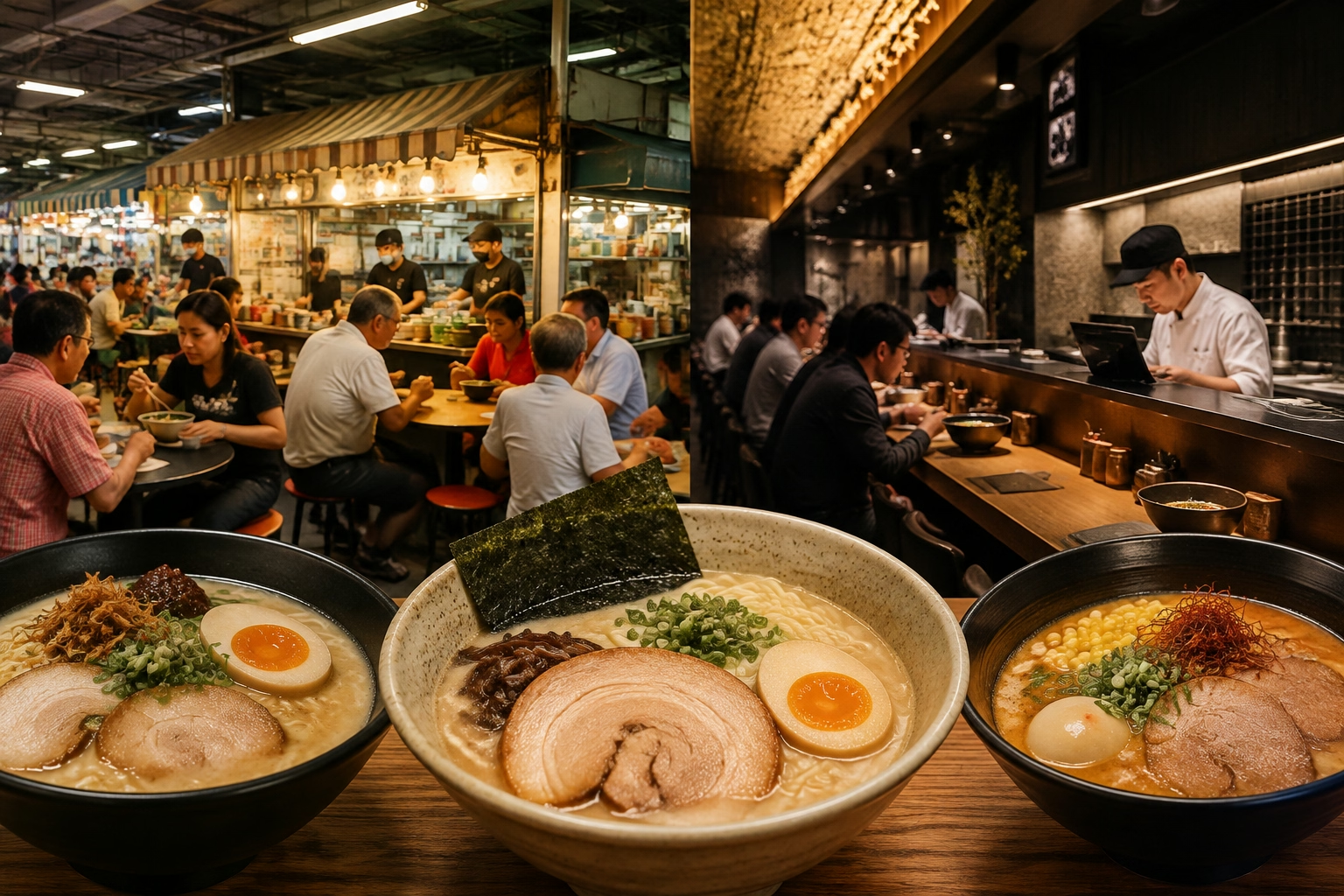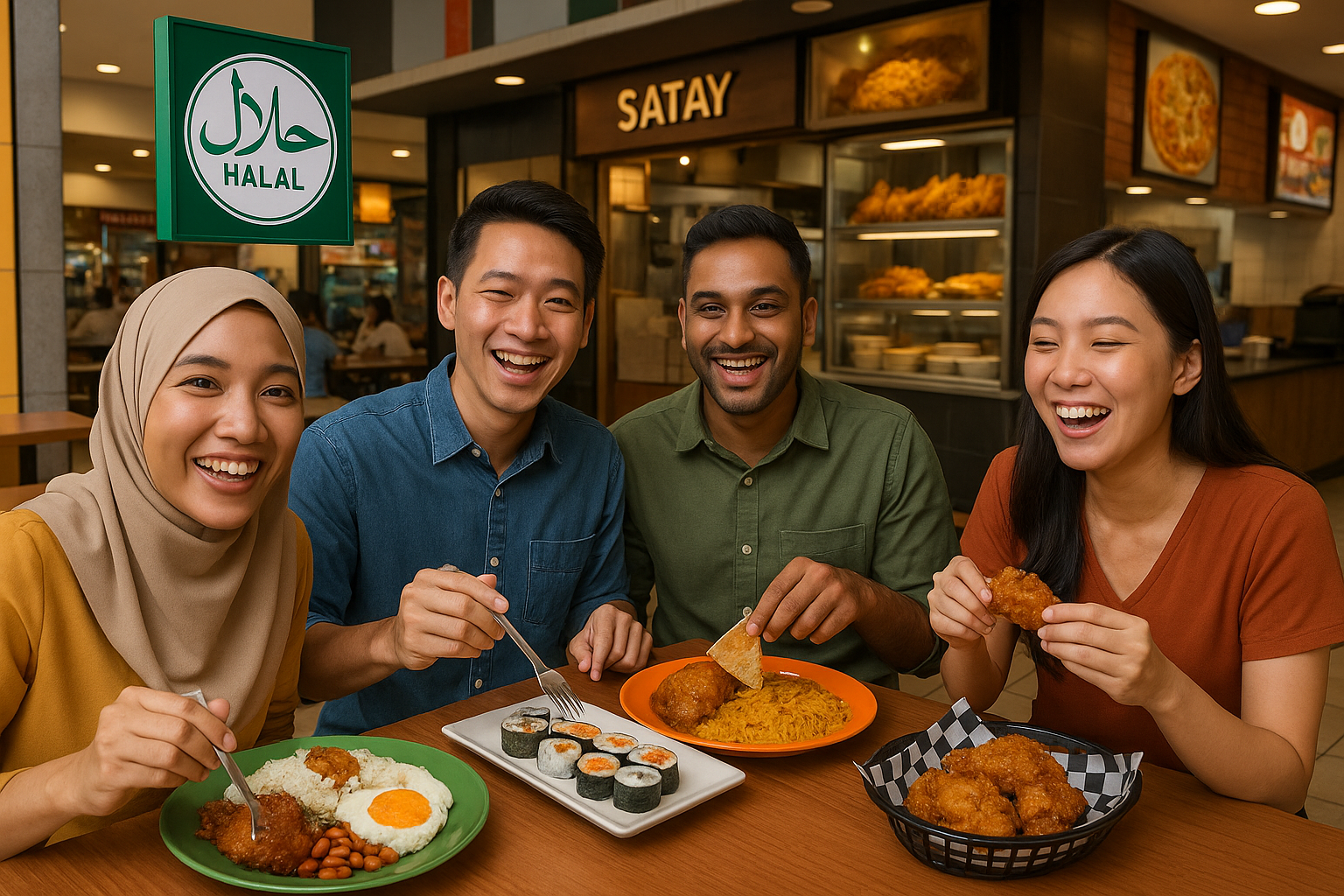
A Nation’s Food Identity in Flux
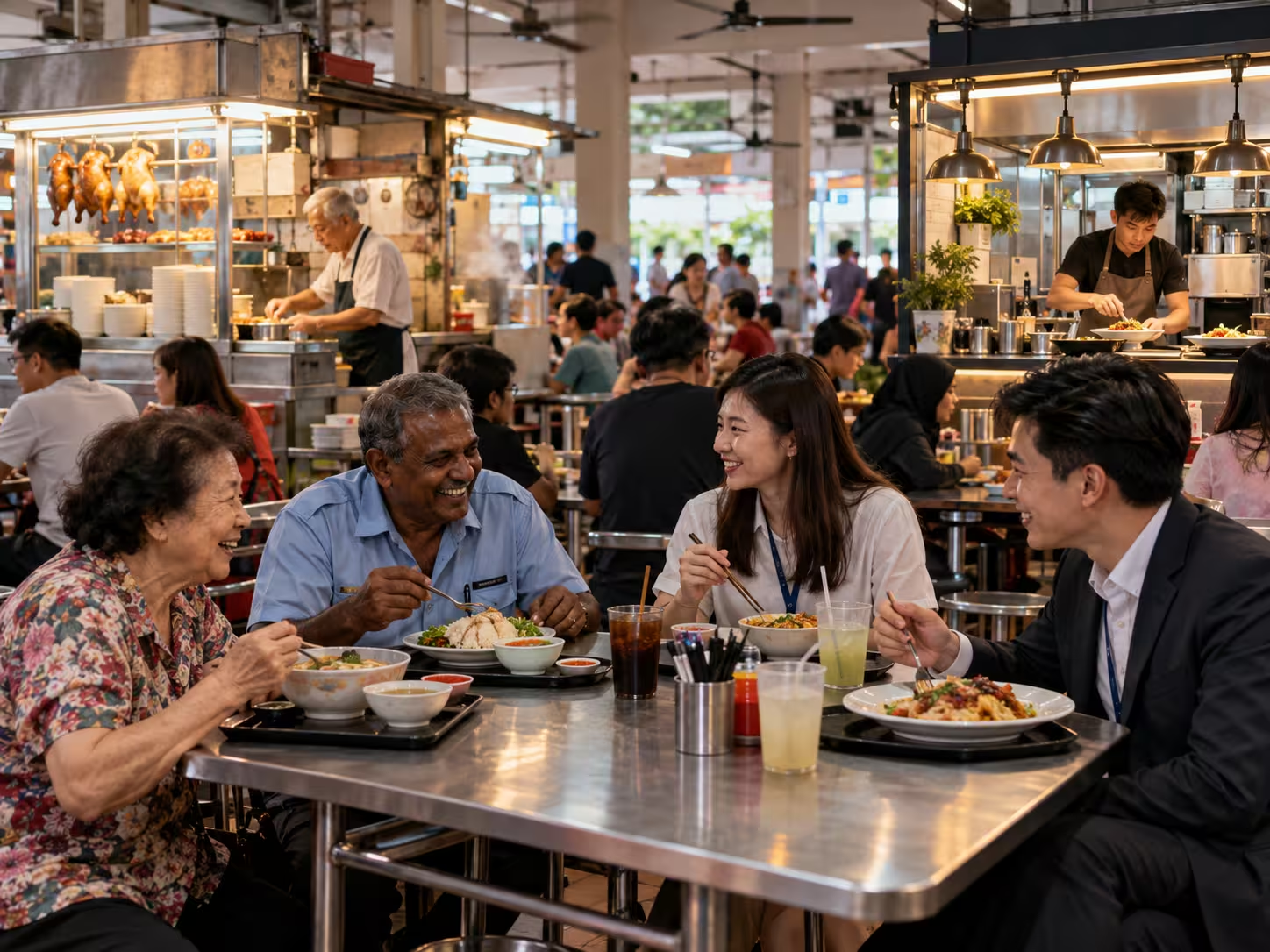
Singapore’s hawker centres are more than places to eat—they are community dining rooms, democratic spaces where a taxi driver and a CEO can share a table over chicken rice. When UNESCO inscribed hawker culture on its Intangible Cultural Heritage list in 2020, it recognised not just the food but the social function of these spaces. The neo-hawker movement raises a critical question: as the food evolves, does the social function evolve too?
From S$3.50 to S$8: The Affordability Question
The most visible tension in the neo-hawker movement is price. At socially conscious hawker centres, stalls are required to offer a value meal benchmarked at about S$3.50. Yet neo-hawker stalls like Ducoo sell pasta for S$8 to S$10.70—affordable by restaurant standards, but a significant premium for hawker food. For young professionals accustomed to S$15 café lunches, this is a bargain. For elderly residents who have eaten at hawker centres for decades, it may feel like exclusion.
The Michelin Bib Gourmand list, which celebrates “exceptionally good food at moderate prices,” has embraced this evolution. The 2026 selection includes 97 establishments, with new entrants ranging from heritage hawker stalls to regional restaurants. The guide’s inclusivity suggests that the definition of “affordable” is expanding—but not without debate.
The Two-Tier Hawker Centre
A potential consequence of the neo-hawker movement is the emergence of a two-tier hawker centre: one tier serving traditional, cheap food to older, working-class Singaporeans; another tier serving innovative, pricier food to younger, wealthier diners. This is not necessarily a problem if both tiers coexist harmoniously. But if neo-hawker stalls displace heritage stalls—driving up rents and changing the character of hawker centres—the social cohesion that UNESCO celebrated could erode.
The government’s rental support for 15,200 hawkers and market stallholders, announced in July 2026, is one attempt to mitigate this risk. But subsidies alone cannot resolve the deeper tension between heritage preservation and culinary evolution.
What the Young Hawkers Want
It is worth listening to what the neo-hawkers themselves say. They are not trying to destroy hawker culture—they are trying to save it. Faced with an aging workforce, rising costs, and declining interest from the next generation, innovation is not a luxury but a necessity. The automated woks, the TikTok marketing, the fine-dining techniques applied to hawker dishes—these are adaptations, not abandonments.
As the National Library Board’s Curiocity project observes, “Some are embracing new techniques and global flavours, while others are keeping time-honoured recipes alive, ensuring that our culinary history continues to thrive for generations to come”. The neo-hawker movement is not a monolith. It is a diverse, experimental, and deeply Singaporean response to a changing world—one that deserves to be understood before it is judged.