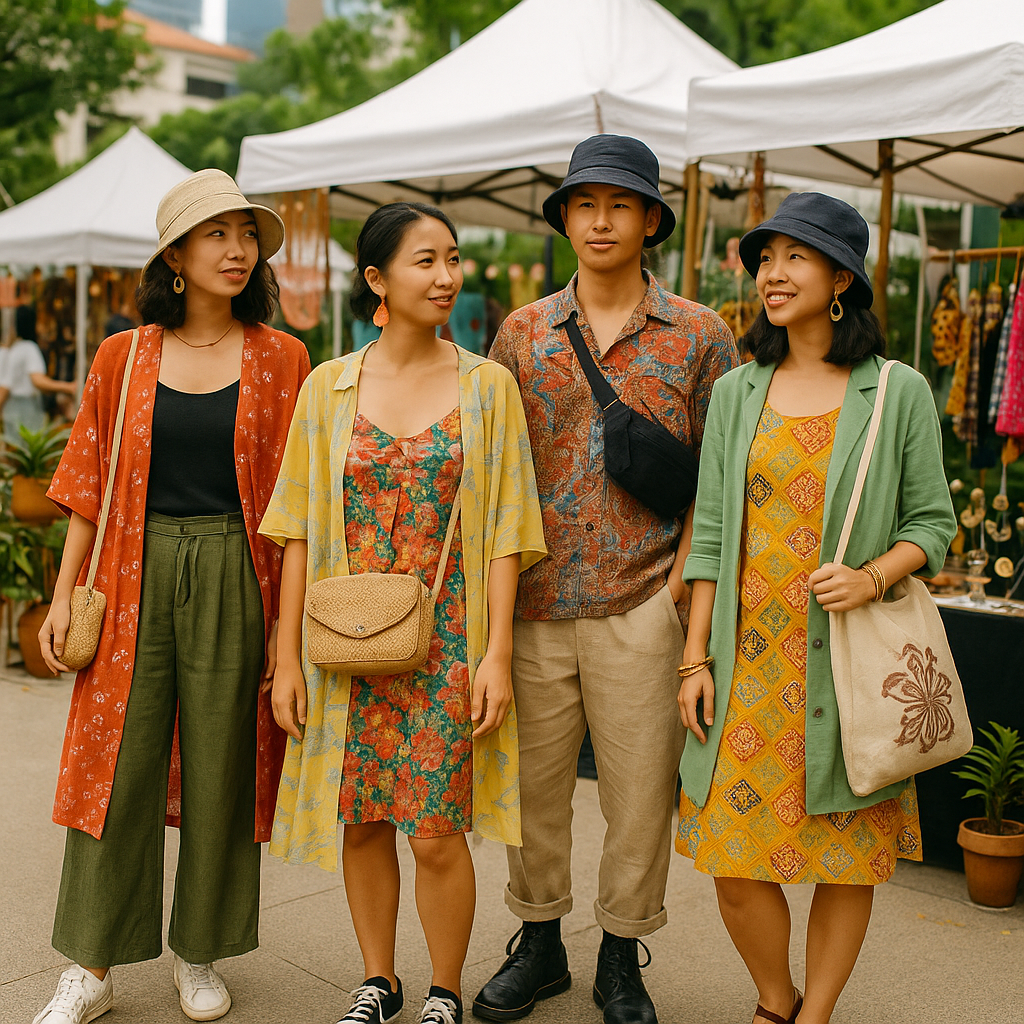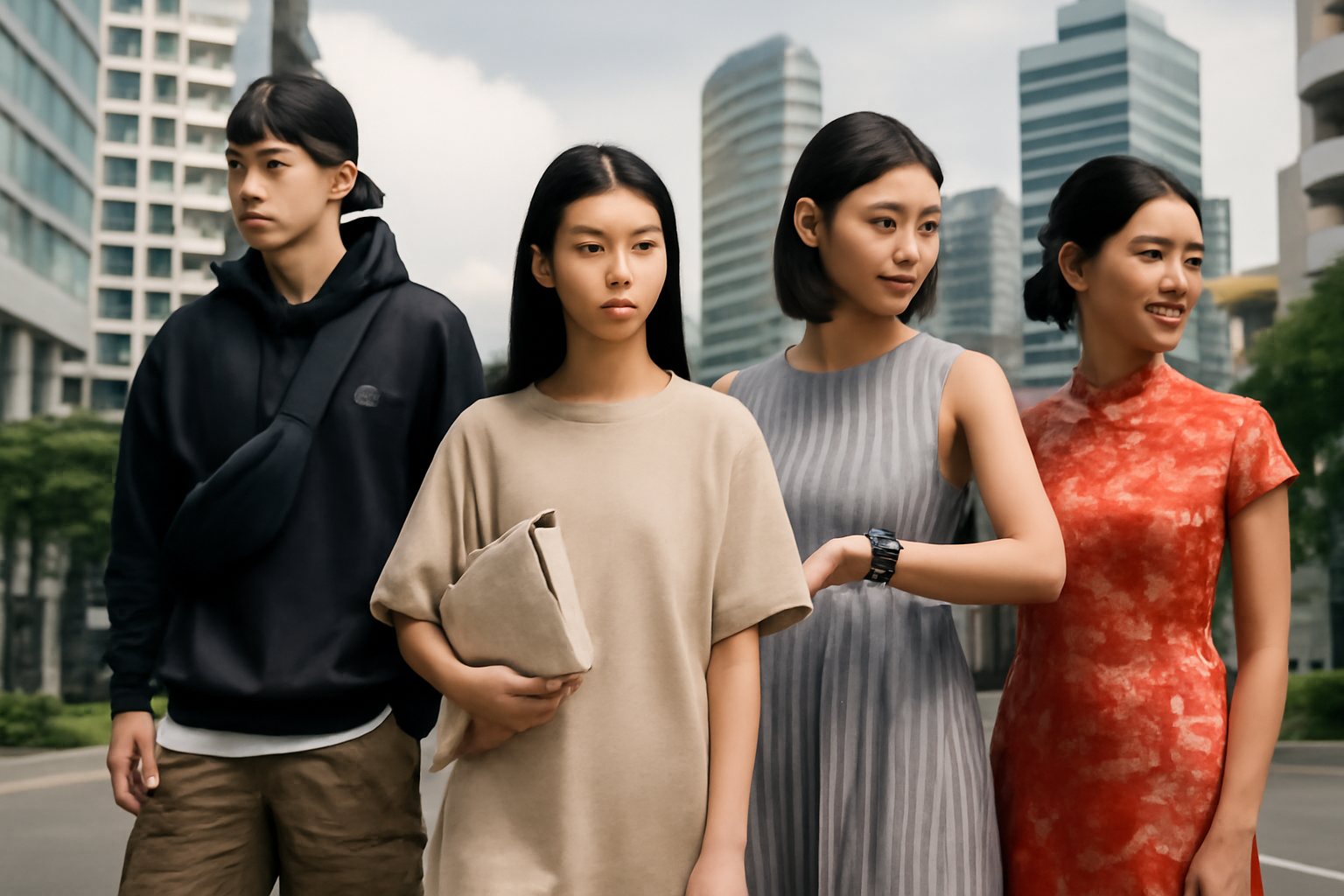
Singapore is known for its modern lifestyle, strong digital economy, and openness to innovation. These qualities are now influencing the fashion sector through the rise of wearable technology and smart clothing. Smart clothing refers to garments that include technological components such as sensors, flexible circuits, responsive fibers, or connected systems. These features allow clothes to do more than cover the body; they can collect data, improve comfort, support health, and create interactive experiences.
The development of smart fashion in Singapore reflects a broader shift in consumer expectations. People increasingly want products that are practical, personalized, and connected to their daily routines. A piece of clothing that can track health, regulate temperature, or connect to a smartphone offers more value than ordinary apparel. This is especially appealing in a compact, urban country where efficiency and convenience are highly valued.
Health-focused smart clothing is one of the most promising areas. In Singapore, where digital healthcare and wellness technology continue to grow, garments with biometric monitoring features can support preventive care. A smart shirt may track heart rate and breathing, while smart socks may detect pressure distribution for people with foot problems. These innovations could benefit athletes, elderly users, patients, and people who want to better understand their physical condition.
Another important application is in professional uniforms. Workers in construction, security, transport, and healthcare may benefit from clothing that improves safety and communication. Smart uniforms can include sensors that detect heat stress, fatigue, or dangerous movements. Some may include emergency alert systems or visibility features for night work. In a country where workplace safety is taken seriously, such garments can help reduce accidents and improve response times.
Fashion designers in Singapore are also exploring the artistic potential of wearable technology. Smart garments can use LED patterns, color-changing fabrics, or motion-responsive designs to create unique visual effects. This opens possibilities for performances, exhibitions, luxury fashion, and digital art. Clothing becomes a living interface that reacts to movement, light, sound, or the wearer’s environment.
Retail innovation is closely connected to this trend. Singapore’s shopping districts and fashion platforms can use technology to make buying clothes more personalized. Virtual fitting tools, AI stylists, and interactive product displays help customers understand how smart clothing works before purchasing it. This is important because smart garments often require explanation. Consumers need to know what the technology does, how to care for the item, and how it improves daily life.
Sustainability remains a major concern in the future of smart fashion. Traditional fashion already faces criticism for waste, overproduction, and short product lifespans. Smart clothing adds another layer of complexity because it may contain electronic parts. To solve this issue, Singaporean designers and innovators may focus on repairable systems, detachable sensors, recyclable components, and durable materials. A smart garment should not only be advanced but also responsible.
There are still barriers to widespread adoption. Smart clothing can be expensive to produce, and some consumers may hesitate because of privacy concerns. Since many garments collect personal data, companies must protect that information carefully. Comfort is also essential. No matter how advanced a garment is, people will not wear it regularly if it feels heavy, stiff, or difficult to wash.
Singapore has the right foundation to support the growth of smart clothing. Its strengths in technology, design, healthcare, sustainability, and urban innovation make it a suitable place for this industry to expand. As fashion and technology continue to merge, clothing in Singapore may become more intelligent, adaptive, and meaningful for everyday life.