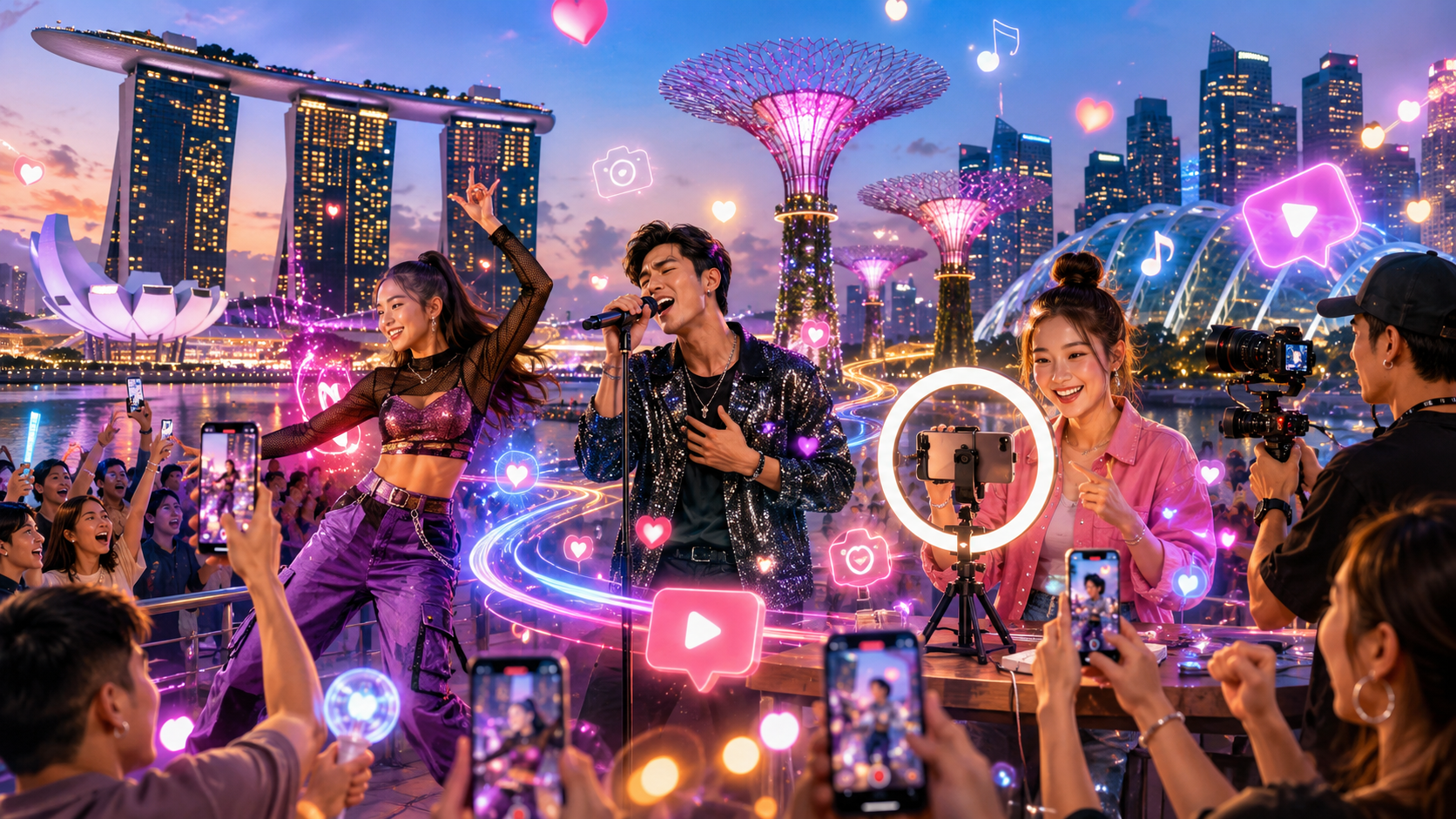
The entertainment industry in Singapore has undergone a remarkable transformation with the rise of social media. Platforms like TikTok, Instagram, Facebook, and YouTube have become indispensable for artists, influencers, and production houses aiming to reach and engage audiences. Unlike traditional channels, social media allows content to gain recognition swiftly, often determining trends and popular culture in ways that were previously impossible.
A major influence of social media is its ability to facilitate viral content. Short videos, music clips, and creative sketches can spread rapidly, creating instant fame for creators and performers. In Singapore, this phenomenon is evident when local content gains traction within hours, driving streaming numbers, event attendance, and public discussion. Viral exposure is often unpredictable, but its effects on popularity and career opportunities are substantial, democratizing access to fame.
Audience engagement is another critical factor. Singaporean entertainers utilize live streams, interactive posts, and direct messaging to foster connections with fans, creating communities that actively promote content. Metrics such as likes, comments, and shares provide real-time insights into audience reception, allowing creators to adjust content to better meet demand. This feedback loop enhances both the quality and relevance of entertainment offerings.
Social media also influences cultural and aesthetic trends in Singapore. Music, fashion, and lifestyle trends often emerge from online communities, with peer influence playing a central role in determining what becomes popular. Cross-border collaborations with global influencers further amplify these trends, giving local content broader exposure. By analyzing digital patterns, entertainment professionals can anticipate audience preferences and strategically develop content to align with emerging interests.
Commercial strategies have become closely tied to social media engagement. Brands and entertainment producers rely on influencer partnerships to promote shows, music releases, and events. The credibility of social media personalities increases the likelihood of audience engagement, making online campaigns more effective than traditional advertising methods. As a result, online popularity increasingly drives both cultural relevance and economic success.
Finally, navigating Singapore’s social media landscape requires adaptability and digital literacy. Understanding platform algorithms, audience behavior, and engagement tactics is essential for sustaining visibility. Creators who can innovate while responding to evolving online trends are better positioned to maintain relevance in a fast-moving digital environment.
Social media has reshaped Singapore’s entertainment sector, enabling rapid dissemination of content, fostering strong fan engagement, and influencing cultural trends. Its role in defining popularity and shaping audience preferences has made it a cornerstone of modern entertainment strategies, fundamentally altering how success is achieved.