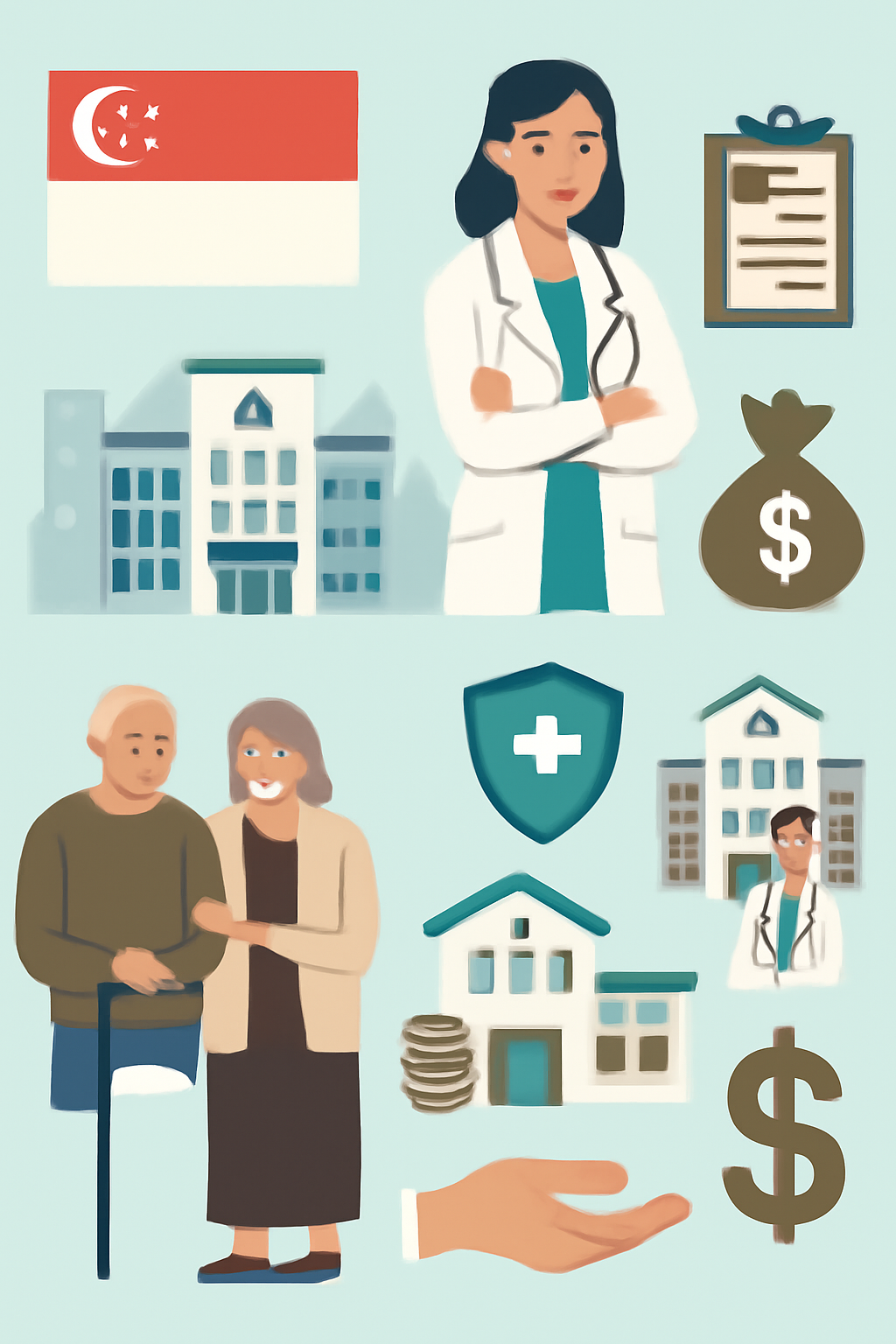
Singapore is making commendable progress in transforming its mental health care system. Over the years, the country has implemented policies that aim to improve accessibility to mental health services and reduce stigma, ensuring that mental well-being is treated with the same seriousness as physical health. However, challenges related to affordability, availability, and public perception still pose obstacles to a fully inclusive mental health system.
One of the key aspects of enhancing mental health care in Singapore is improving access. The government has taken steps to ensure that mental health services are available across the nation. This includes building more mental health clinics, expanding community-based services, and offering subsidies to reduce the financial burden on patients. Despite these efforts, the high cost of private mental health services remains a significant barrier, especially for those without comprehensive insurance coverage. While public health facilities are available, they are often overburdened, leading to long waiting times for appointments.
The shortage of mental health professionals is another factor that complicates access to care. Although there have been efforts to train more psychiatrists, psychologists, and counselors, there is still a significant gap between the demand for services and the availability of trained professionals. This shortage contributes to delays in receiving care, which can negatively impact patients’ mental health.
Additionally, the stigma surrounding mental health issues continues to be a significant barrier in Singapore. Many individuals feel embarrassed or ashamed to seek help due to the perception that mental health problems are a sign of weakness. This stigma often results in people suffering in silence, which can lead to more severe mental health conditions. To address this, various organizations have launched public awareness campaigns aimed at educating the population about the importance of mental health and encouraging individuals to seek help early.
Workplace mental health is also an area of focus in Singapore. Recognizing the significant impact of work-related stress on mental well-being, the government has introduced policies to encourage employers to implement mental health initiatives within the workplace. These initiatives include counseling services, stress management programs, and flexible working hours to help employees manage their mental health.
Furthermore, schools and universities have begun to integrate mental health education into their curricula. By teaching students about mental health from a young age, Singapore hopes to build a future generation that is more open to discussing mental well-being and seeking help when needed. Schools are also providing counseling services and mental health support to students, ensuring that they have access to the resources they need to manage their mental health.
As Singapore continues to improve its mental health care system, it is important to address both the structural and cultural factors that hinder access to care. By ensuring that mental health services are affordable, available, and accessible to all, and by working to reduce stigma through education and awareness, Singapore can create a more inclusive and supportive mental health care system for its citizens.