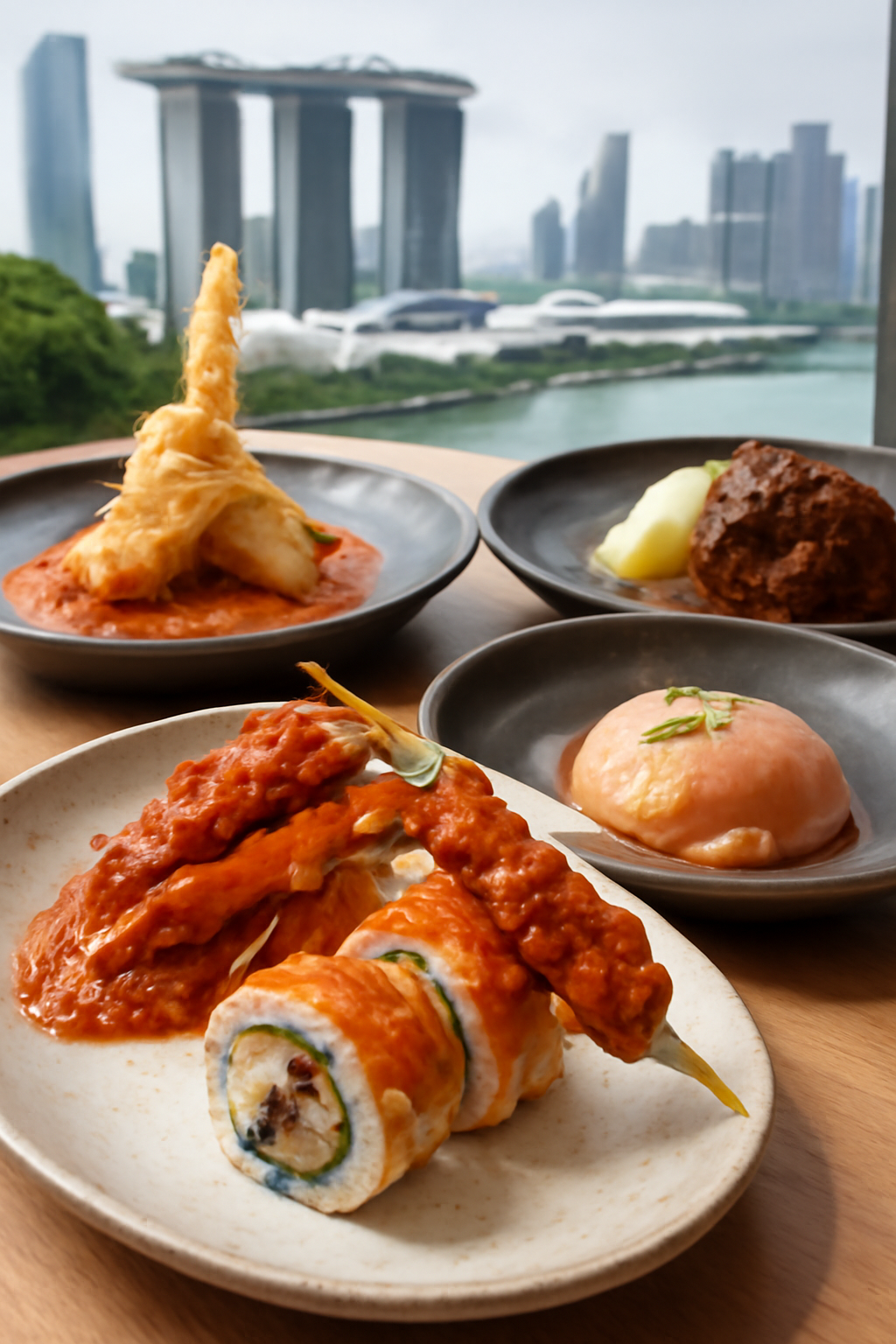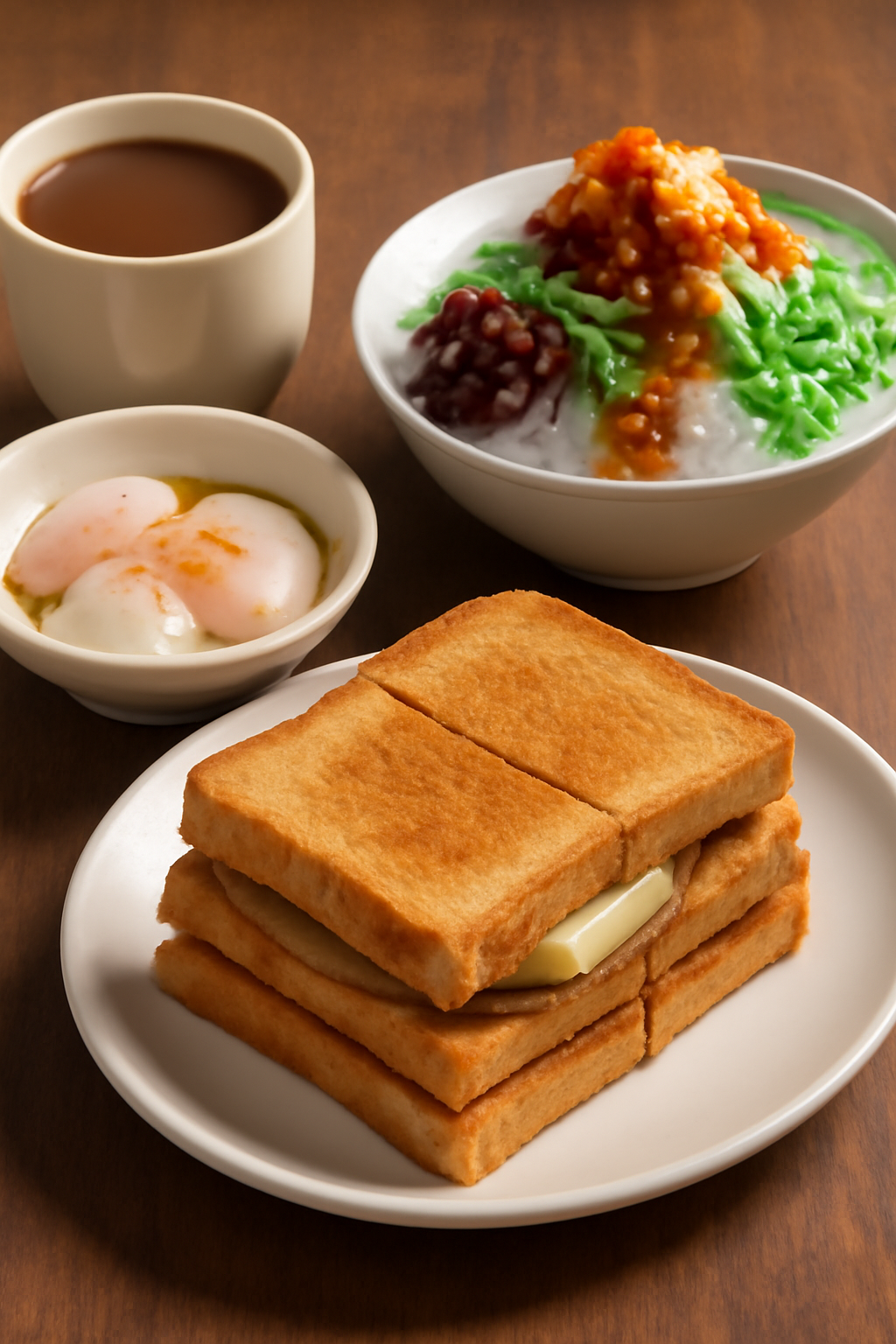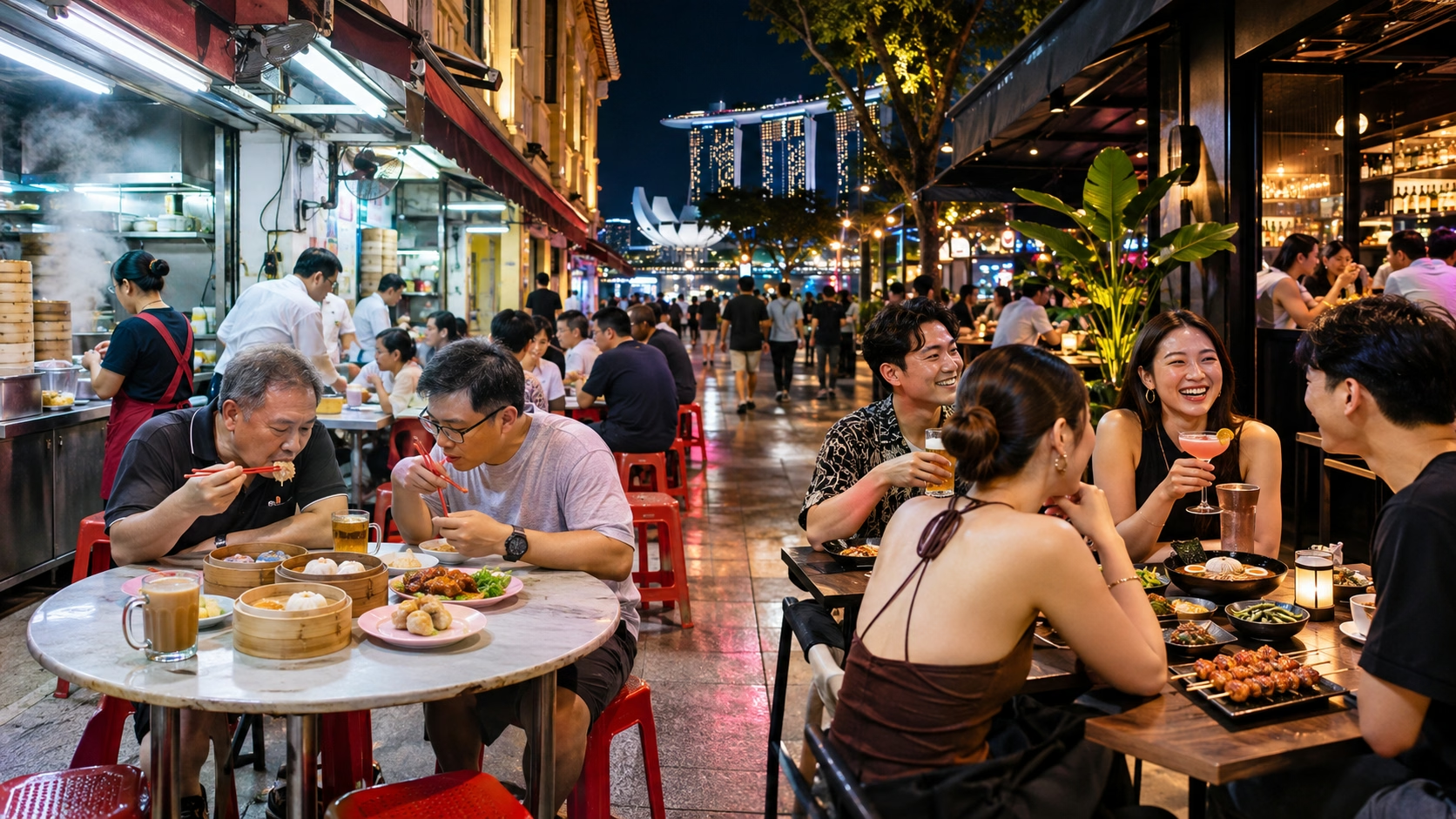
Singapore’s supper culture is usually discussed in terms of craving and convenience. In 2026, it is increasingly a story about policy. The hours a kitchen can keep, the alcohol it can serve, the transport that brings customers to its door, and the buildings that house it are all shaped by decisions made far from the wok.
The Regulatory Squeeze
Liquor licensing hours were shortened in 2013 to curb disorder, and only recently have they been tentatively extended to 4am in Boat Quay and Clarke Quay as part of a year-long trial. For late-night food operators, alcohol policy is not a side issue: the post-drinks crowd is a core supper demographic, and the bar-adjacent kitchen model depends on predictable, extended hours. When licensing is restrictive or uncertain, the late-night food economy loses one of its most reliable customer flows.
Transport as Supper Infrastructure
The withdrawal of SMRT’s Night Rider bus service in 2022 removed a layer of late-night mobility that supper clusters relied on. A supper destination is only as accessible as the last ride home. When night transport contracts, the calculus of a 2am meal changes — especially for workers who are not ending their night at a bar but starting it after a late shift.
The Redevelopment Question
Urban renewal adds another pressure. A commentary from a transport worker in June 2026 described the transformation of former nightlife areas — Boat Quay, Clarke Quay, Robertson Quay, Orchard, Beach Road, Selegie, and Bugis — into more uniform upscale dining corridors, with some food and beverage businesses that depended on night crowds shrinking hours or closing entirely. The argument is not that redevelopment is wrong, but that the texture of late-night life is collateral when the city optimizes for order and cleanliness at the expense of messier, more diverse nighttime economies.
What the Industry Is Asking For
The same commentary proposes concrete levers: coordinated facade lighting in heritage districts such as Tanjong Pagar and South Bridge Road to create night-time destinations; a flexible late-licensing mechanism for major events such as the 2026 World Cup, allowing designated entertainment zones to extend alcohol and operating hours to 6am during matches; and activation of the Marina Bay waterfront with affordable street food and lighting to complement the surrounding commercial towers. These are not calls for deregulation. They are calls for surgical flexibility — a recognition that a 24-hour city requires policy that can distinguish between disorder and vitality.
The Supper as a Policy Outcome
The plate at 3am is the end of a long chain: a lease, a licence, a bus route, a zoning decision. In 2026, Singapore’s supper culture is being negotiated not only in kitchens but in committee rooms. The operators who survive the next cycle will be those who can read both the demand curve and the regulatory one. The city’s late-night identity will be decided by how well policy can hold space for both the $5 plate and the $50 small plate — and for the messy, unplanned hunger that no urban plan can fully anticipate.