Singapore Remains One of Asia’s Most Competitive Culinary Markets
Singapore’s restaurant industry continues to attract entrepreneurs, investors, and international brands because of its strong dining culture and global reputation.
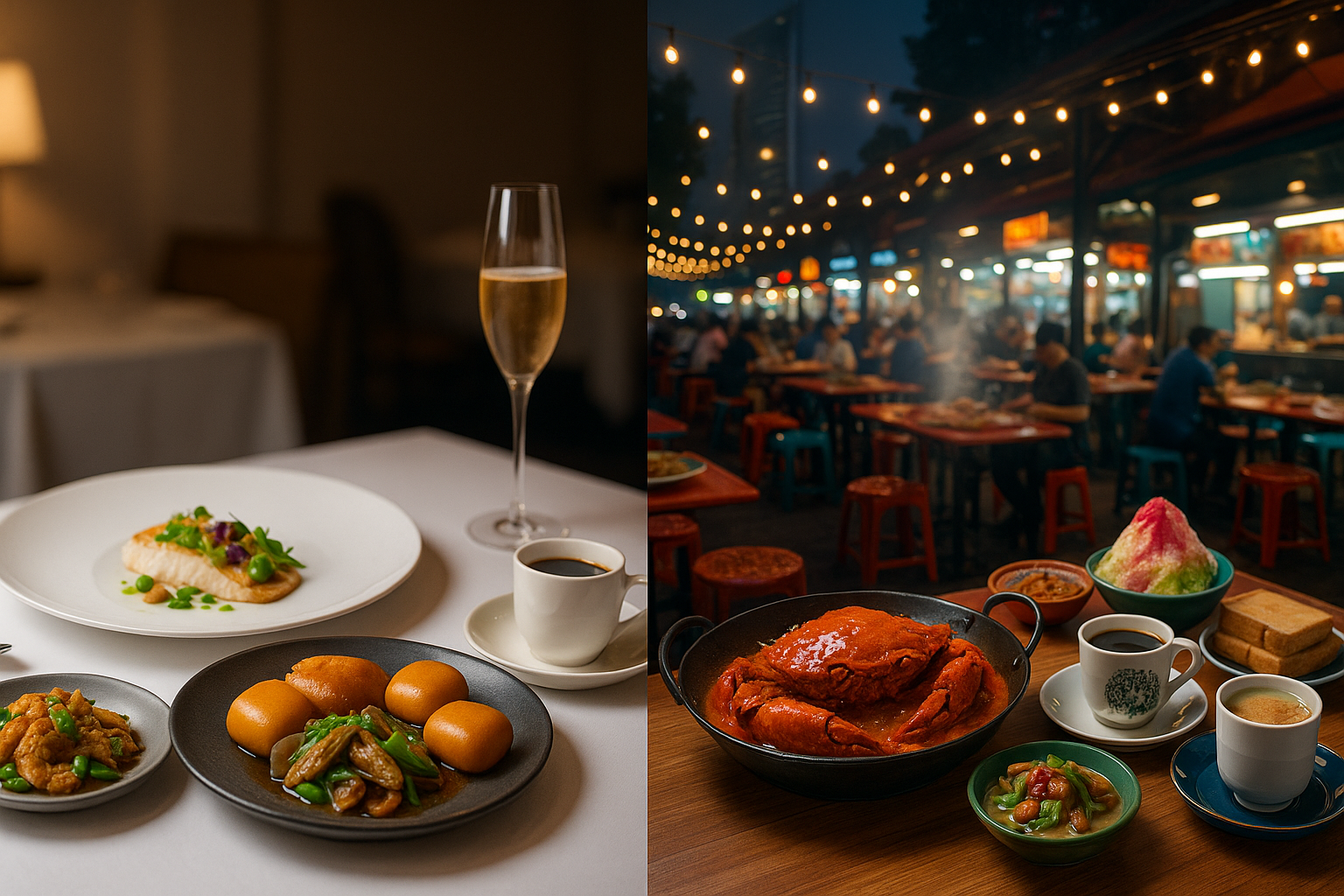
The country’s culinary ecosystem includes traditional hawker centers, independent restaurants, international franchises, cafes, and luxury dining establishments.
However, the market is highly competitive because consumers have extensive choices and high expectations.
In 2026, successful restaurant businesses require stronger strategies than simply offering quality food.
Local Restaurant Brands Build Competitive Advantages
Understanding Singapore Consumers
Local restaurant operators have a significant advantage because they understand domestic preferences.
They compete through:
- Familiar flavors
- Cultural relevance
- Flexible business decisions
- Community relationships
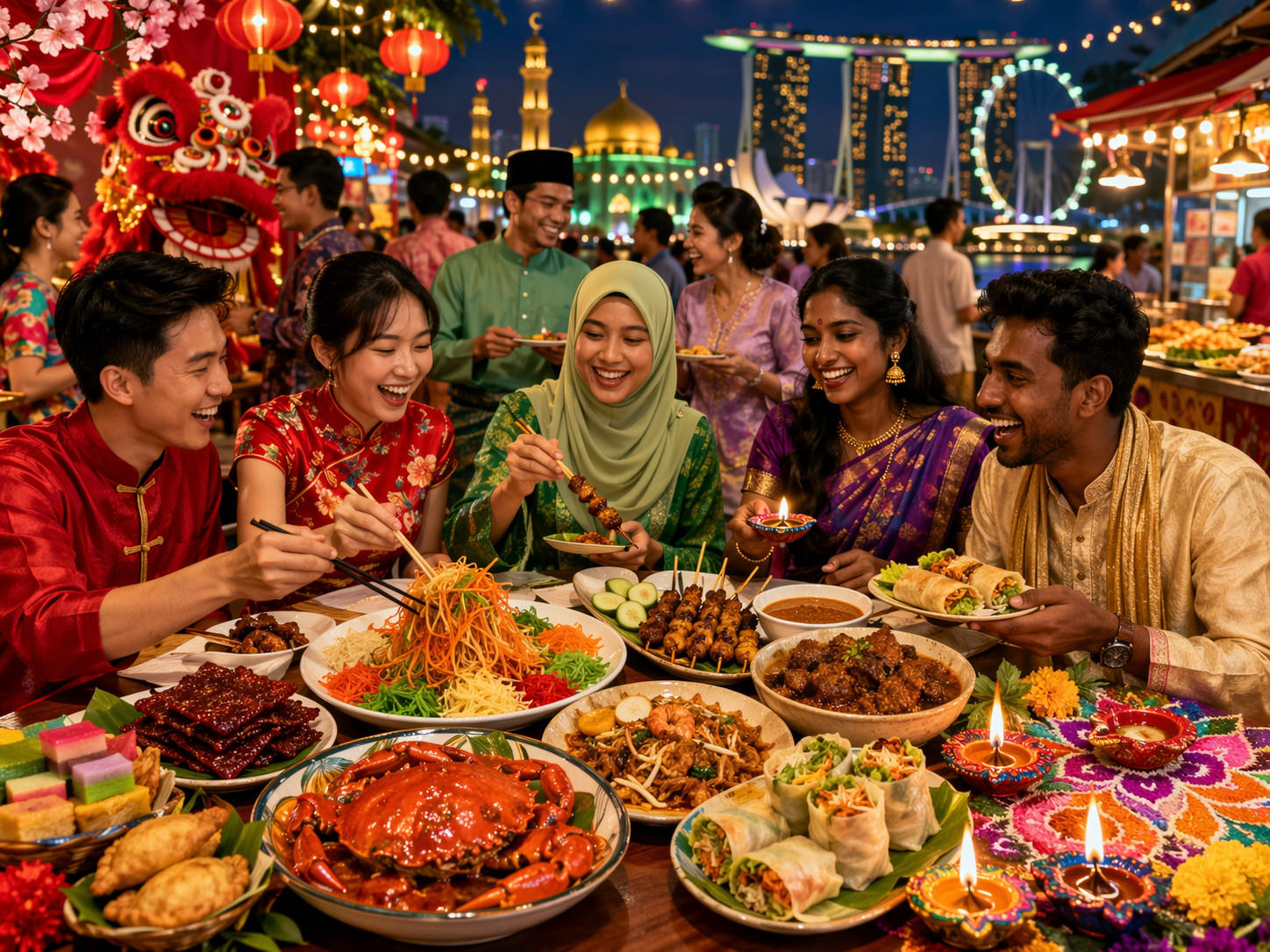
Many successful local brands transform traditional dishes into modern concepts, attracting younger consumers while preserving culinary heritage.
International Restaurant Chains Expand Their Presence
Global Experience Meets Local Adaptation
International brands continue entering Singapore because of its strategic location and strong purchasing power.
Global chains benefit from:
- Established brand recognition
- International marketing systems
- Standardized operations
- Investment capacity
However, they must adapt to Singapore’s unique market.
Successful foreign restaurants often modify menus according to local preferences, dietary requirements, and cultural expectations.
Data-Driven Decision Making Becomes Essential
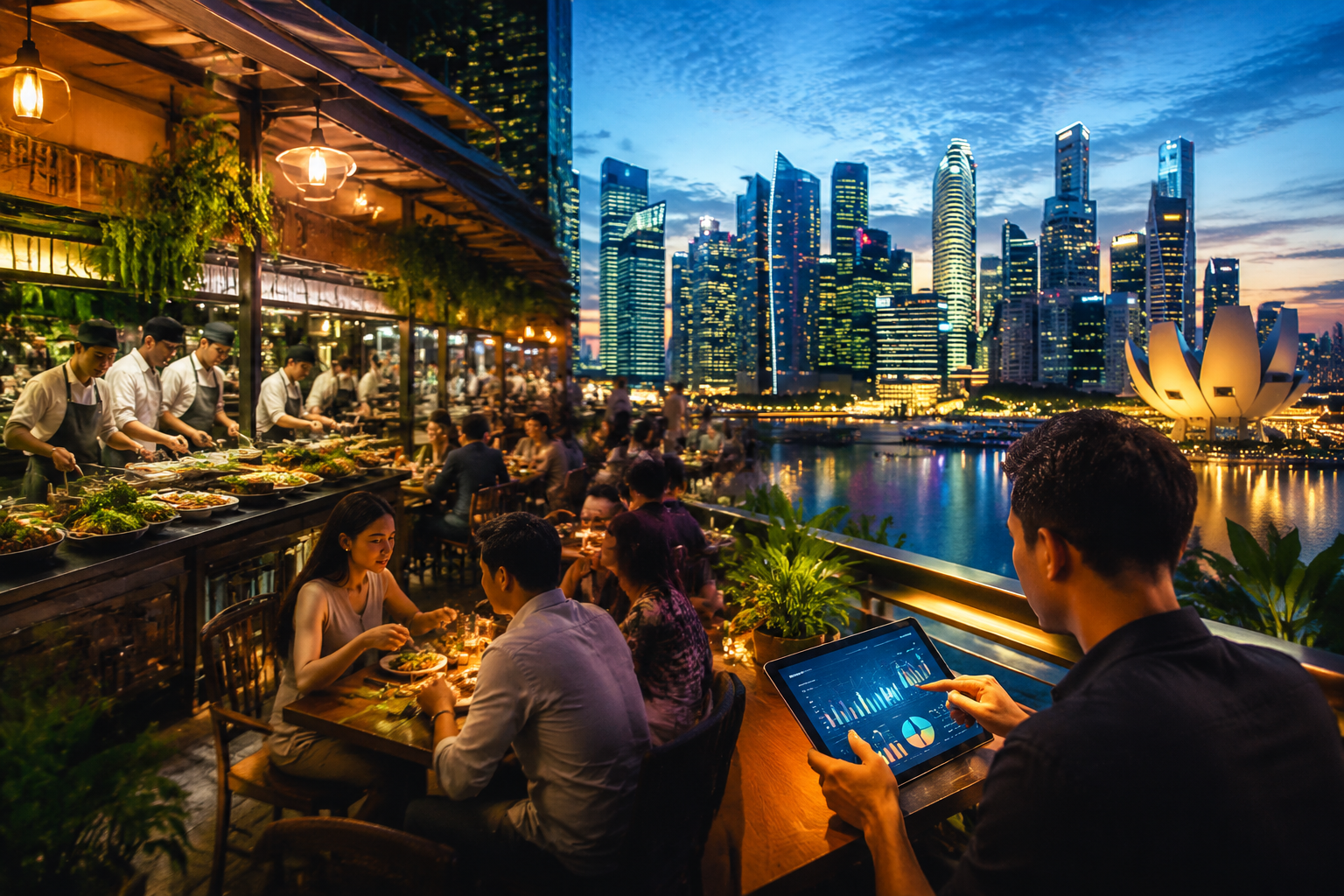
Modern restaurants increasingly depend on customer data to make strategic decisions.
Businesses analyze:
- Customer purchasing patterns
- Peak dining hours
- Popular menu items
- Marketing performance
Singapore’s Infocomm Media Development Authority (IMDA) continues supporting digital transformation among businesses through technology adoption programs.
Source: https://www.imda.gov.sg/
Data-driven management helps restaurants reduce risks and improve profitability.
Future Growth Opportunities in Singapore’s Restaurant Sector
The next stage of Singapore’s restaurant development will likely focus on:
- Digital-first restaurant models
- Sustainable operations
- Regional expansion
- Personalized customer experiences
Singapore brands increasingly look beyond domestic markets by expanding into neighboring countries such as Malaysia, Indonesia, and Thailand.
Strategic Competition Defines the Future
Singapore’s restaurant industry represents a balance between tradition and innovation.
Businesses that protect culinary identity while embracing technology and modern consumer expectations will have the strongest competitive position.
The market will continue evolving as restaurants compete not only for customers’ spending but also for attention, loyalty, and long-term brand value.