Experiencing Singapore’s cultural events is easiest when approached through neighborhoods rather than isolated festivals. Each district offers a different cultural identity, atmosphere, and historical background.
This 3-day itinerary is designed to help visitors understand Singapore’s traditions in a structured but immersive way, combining food, heritage, and live cultural environments.
Official resources for planning:
Day 1: Chinatown — Chinese Heritage and Urban Festival Energy
Chinatown is one of the best starting points for understanding Singapore’s Chinese cultural heritage.
Morning: Heritage exploration
Start with a visit to Chinatown Heritage Centre or nearby temples such as Sri Mariamman Temple and Thian Hock Keng Temple. These sites provide historical context about early migrant communities and religious diversity in Singapore.
Walk through preserved shophouses that reflect traditional architecture blended with modern commerce.
Afternoon: Food and street culture
Head to Chinatown Complex Food Centre, one of Singapore’s largest hawker centres. This is where cultural diversity is reflected through food—from traditional Hainanese chicken rice to modern fusion dishes.
During festival seasons, temporary stalls often sell festive snacks and decorations.
Evening: Festival atmosphere (if in season)
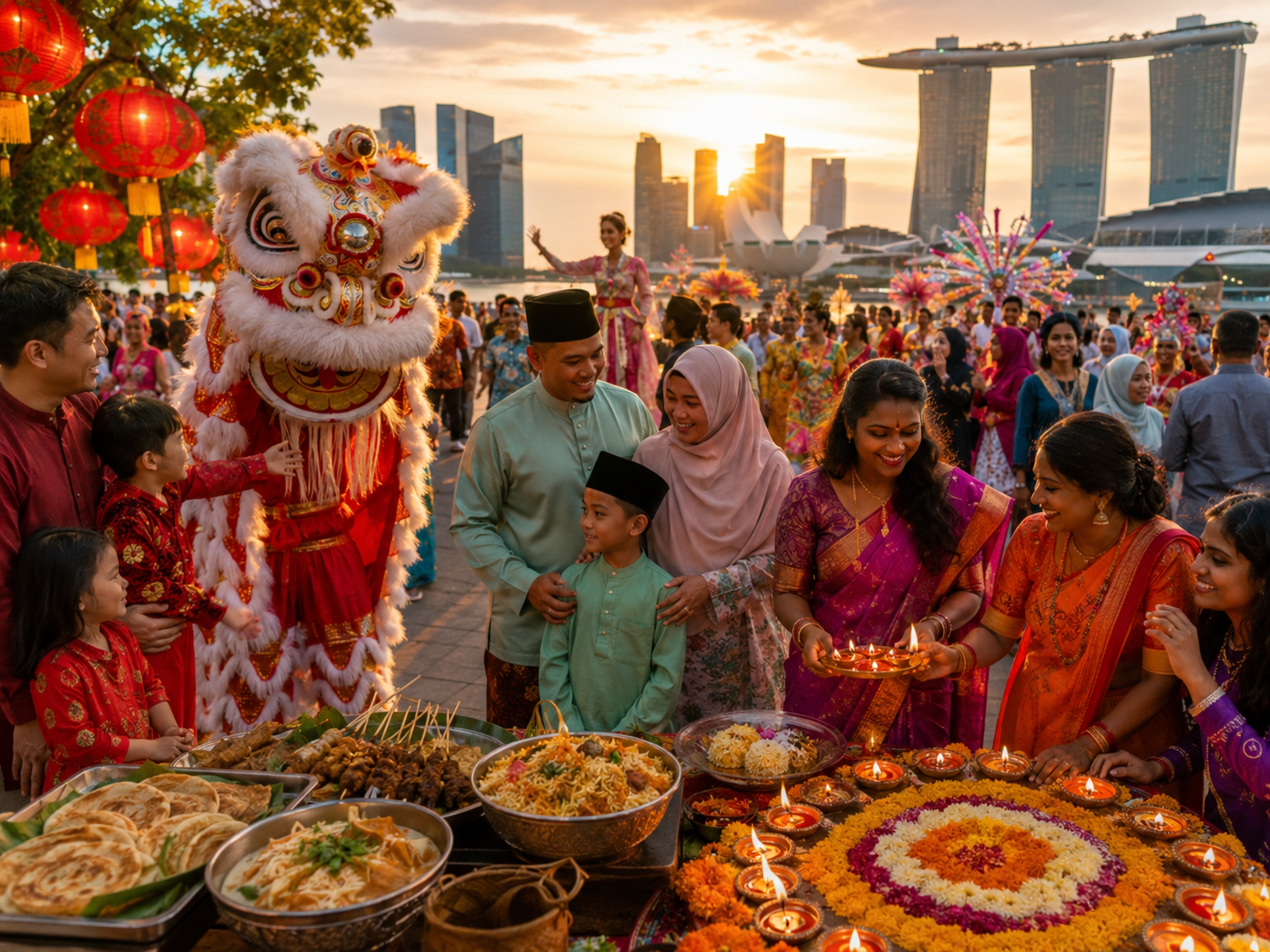
If visiting during Chinese New Year, the area becomes a large-scale night festival:
- Lantern displays across streets
- Lion dance performances
- Open-air stage shows
- Large crowds especially after sunset
Visit early evening (around 6–7 PM) to avoid peak congestion.
Day 2: Little India — Deepavali Lights and Cultural Immersion
Little India offers one of the most visually rich cultural environments in Singapore.
Morning: Cultural landmarks
Start with Sri Veeramakaliamman Temple, one of the oldest Hindu temples in Singapore. Observe architecture, rituals, and devotional practices respectfully.
Explore Tekka Centre for breakfast—this is where Indian, Malay, and Chinese food cultures intersect.
Afternoon: Cultural streets and shopping
Walk along Serangoon Road to explore textile shops, spice stores, and flower garland vendors. These businesses are deeply connected to daily cultural practices, not just tourism.
During Deepavali season, streets are decorated with arches, lights, and thematic installations.
Evening: Festival experience
At night, Little India becomes fully illuminated. The combination of lights, music, food stalls, and crowds creates a vibrant but organized festival environment.
Photography is best done during blue hour (just after sunset) when lights begin to stand out.
Day 3: Geylang Serai + Modern Singapore Cultural Spaces
This day combines traditional Malay culture with modern arts and civic spaces.
Morning: Geylang Serai cultural district
Visit Geylang Serai Market, a key hub for Malay food and daily life. During Hari Raya season, the area transforms with:
- Large festive bazaars
- Decorative light installations
- Cultural performances
- Traditional clothing stalls
The atmosphere is community-focused rather than purely tourist-oriented.
Afternoon: Transition to modern culture
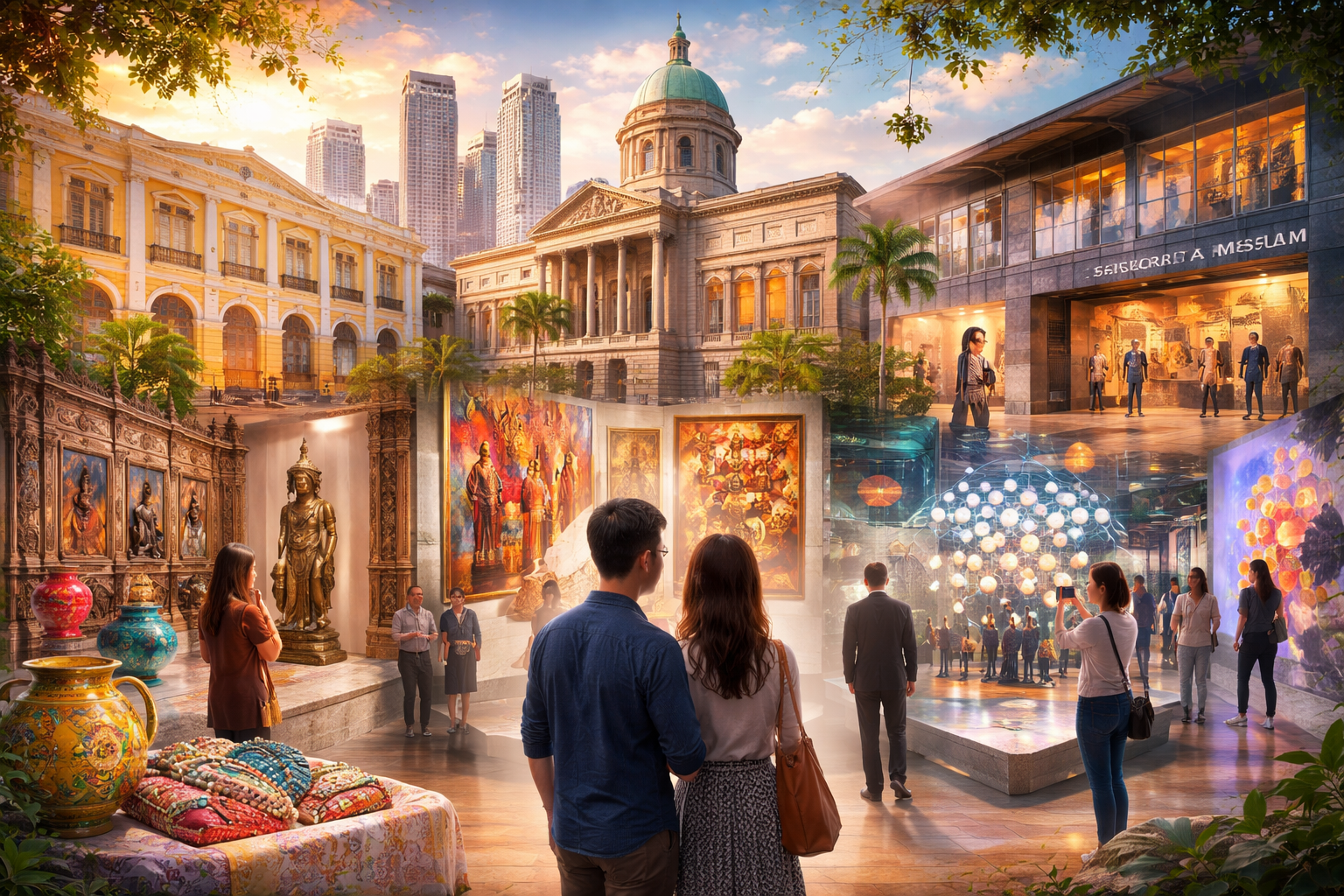
Travel to Marina Bay or Civic District. This area represents modern Singapore identity and often hosts National Day celebrations and public art installations.
Evening: Esplanade cultural programs
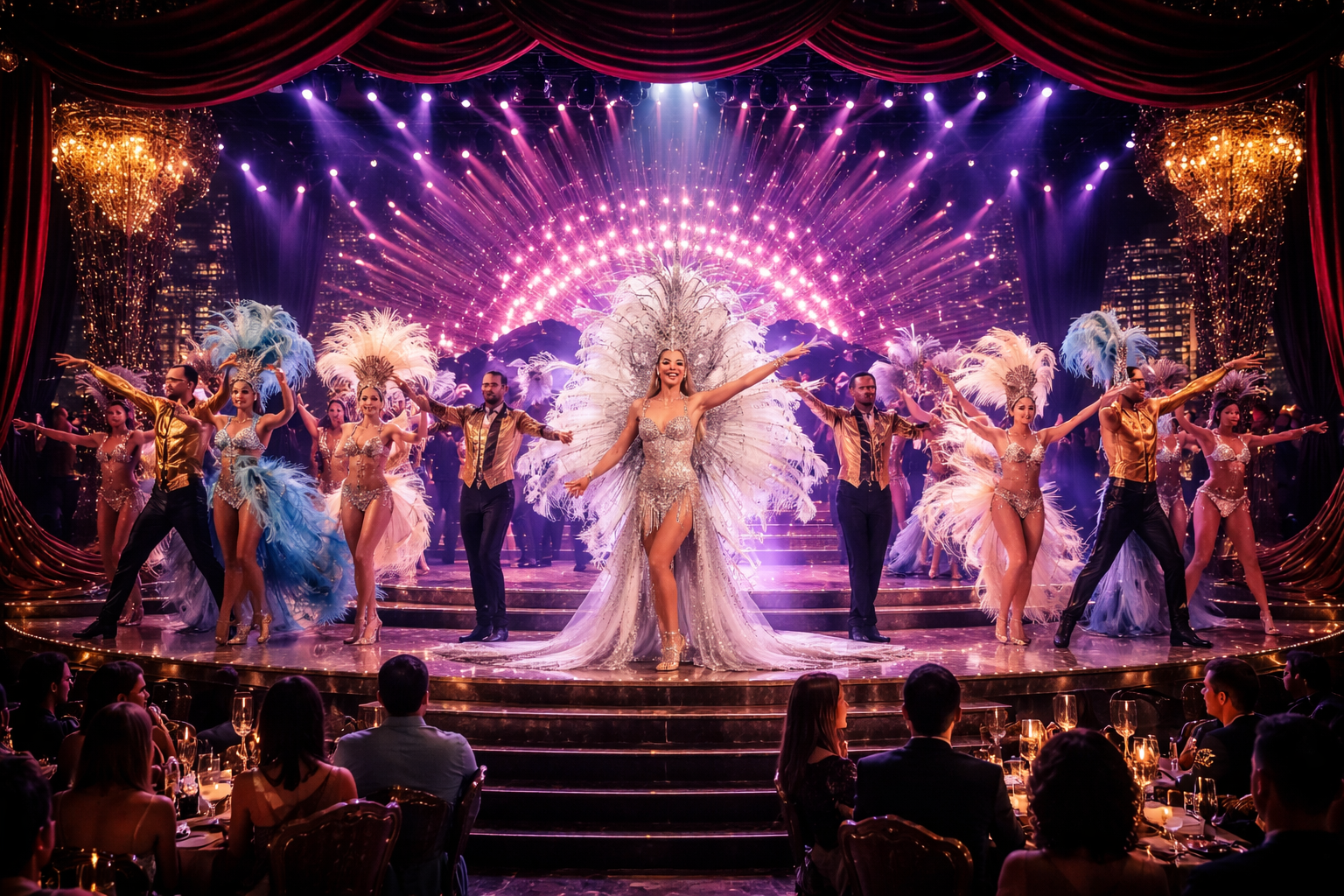
End the itinerary at Esplanade – Theatres on the Bay, where you can find:
- Live music performances
- Theater shows
- Cultural festivals
- Outdoor free performances at the waterfront
Practical planning advice
- Use MRT for all districts; it is the most efficient option during festivals
- Visit outdoor festivals in the evening for full visual experience
- Expect heavier crowds during weekends and peak festival nights
- Carry water and light snacks during long walking routes
- Wear breathable clothing due to humidity
- Keep flexible timing for spontaneous cultural discoveries
Why this itinerary works
This route is not about rushing through festivals. Instead, it focuses on understanding Singapore through space and experience.
Each district represents a cultural layer:
- Chinatown → heritage and Chinese traditions
- Little India → religious symbolism and vibrant festival life
- Geylang Serai → Malay cultural identity and community celebration
- Marina Bay / Esplanade → modern multicultural expression
Together, they form a complete picture of Singapore’s cultural diversity.