The trend of vegan and vegetarian diets is gaining significant momentum in Singapore, reflecting a shift in food culture towards healthier and more sustainable living. As awareness of the environmental and health impacts of food choices increases, more Singaporeans are choosing plant-based diets as a way to improve their well-being and contribute to a greener planet. With a rich culinary heritage and a growing number of plant-based food options, Singapore is becoming a leader in the global movement towards veganism and vegetarianism.
Health considerations are a major reason for the rising popularity of vegan and vegetarian diets in Singapore. With lifestyle diseases such as heart disease, obesity, and diabetes becoming more common, many individuals are turning to plant-based eating as a way to prevent and manage these conditions. Research has shown that plant-based diets, which are rich in fiber, vitamins, and antioxidants, can lower the risk of chronic diseases, improve digestion, and support weight management. For many Singaporeans, adopting a vegan or vegetarian lifestyle is a proactive approach to enhancing their health and longevity.
Environmental sustainability is another key driver behind the adoption of veganism and vegetarianism in Singapore. As a city-state with limited natural resources and a growing population, Singapore is particularly vulnerable to the environmental impacts of food production. Animal agriculture is a leading cause of deforestation, water pollution, and greenhouse gas emissions, making it a significant contributor to climate change. Plant-based diets require fewer resources and have a lower carbon footprint, making them a more sustainable alternative to meat-based diets. By choosing plant-based foods, individuals can help mitigate climate change and promote a more sustainable food system.
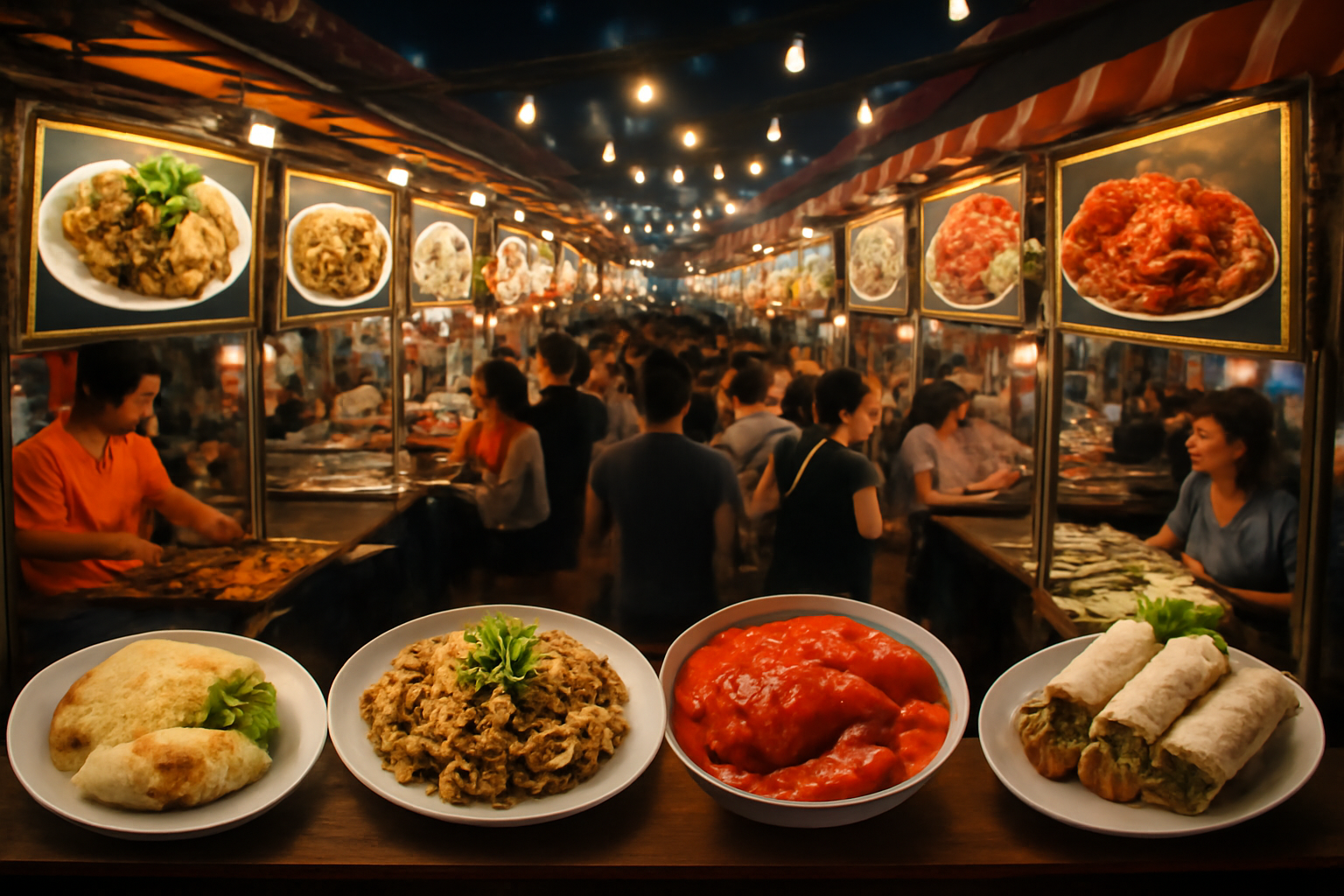
Singapore’s diverse food culture has played a crucial role in making vegan and vegetarian diets more accessible and enjoyable. Local hawker centers, which are famous for their affordable and diverse food offerings, have embraced plant-based alternatives. Vegan rendang, vegetarian satay, and plant-based laksa are just a few examples of how traditional Singaporean dishes are being reinvented to suit modern dietary preferences. These plant-based versions allow vegans and vegetarians to enjoy familiar local flavors without compromising their dietary choices.
The global rise in health and wellness trends has also contributed to the increasing adoption of vegan and vegetarian diets in Singapore. As people worldwide embrace healthier and more sustainable lifestyles, the influence of social media platforms, food bloggers, and nutritionists has helped spread awareness of the benefits of plant-based eating. In Singapore, these platforms have encouraged individuals to experiment with plant-based recipes and incorporate more vegan and vegetarian meals into their diets.
While veganism and vegetarianism are gaining popularity, challenges remain in overcoming misconceptions about the cost and accessibility of plant-based foods. However, many affordable options are available at hawker centers, food courts, and local markets, where plant-based dishes are offered at similar prices to traditional meat-based meals. As demand for plant-based options increases, it is expected that prices will continue to decrease, making plant-based diets more accessible to a broader segment of the population.
With its dynamic food scene and growing awareness of health and environmental issues, Singapore is positioning itself as a model for other cities looking to embrace veganism and vegetarianism. As more Singaporeans choose plant-based diets, the country is contributing to the global effort to promote healthier and more sustainable food choices. The growing popularity of vegan and vegetarian diets in Singapore is a testament to the city’s commitment to improving both individual well-being and the planet’s future.