When people in Singapore visit a clinic, join a fitness challenge, or see a message about healthy eating, they are experiencing the influence of government on public health in everyday life. Behind these familiar experiences sits a web of policies, institutions, and programmes designed and coordinated by the state.
The journey begins with national planning. The Ministry of Health, together with other agencies, studies data on disease patterns, life expectancy, and lifestyle habits. From this, it sets goals and targets—reducing diabetes rates, extending healthy life years for seniors, or expanding access to mental health support. These goals shape legislation, regulations for healthcare providers, and guidelines on topics ranging from screening intervals to infection control standards.
Money is a critical part of the story. Singapore’s government has crafted a system where individuals are encouraged to save for their own care and carry basic insurance, but where public subsidies and financial assistance ensure that essential services remain within reach. Fees at public hospitals and polyclinics are kept relatively affordable for residents, and extra support is available for those with low incomes. This shared responsibility model aims to keep the system financially sustainable while preventing people from being overwhelmed by medical bills.
The physical network of services that people use is also largely shaped by the state. Public hospitals, specialist centres, and polyclinics are part of government-linked groups responsible for serving different geographic regions. Polyclinics handle primary care needs such as vaccinations, childhood check-ups, and long-term management of conditions like hypertension. Over the years, integration initiatives have tried to ensure that when patients move from hospital back to community care, they experience continuity instead of fragmentation.
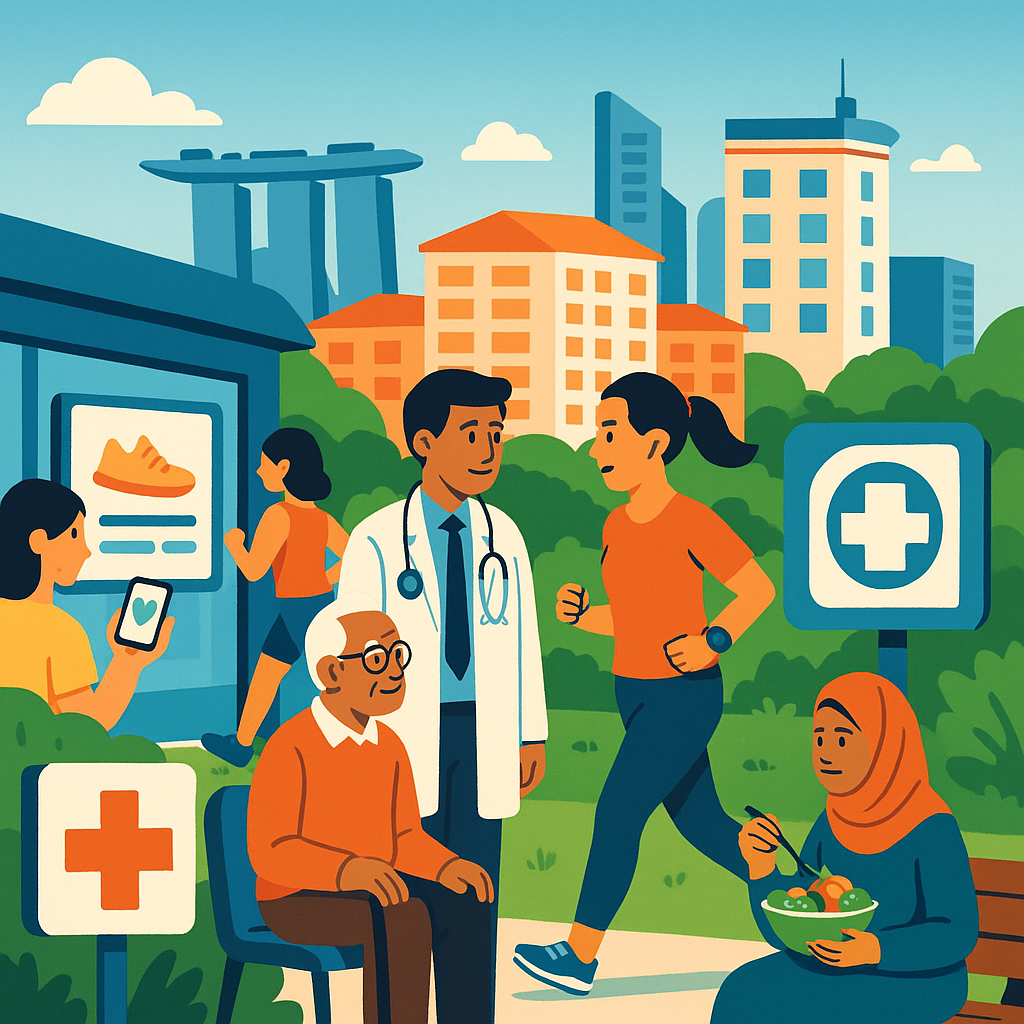
Healthy living campaigns are one of the most visible signs of government involvement in public health. Agencies run programmes to help people quit smoking, choose healthier meals, stay physically active, and safeguard their mental well-being. These might appear as posters in schools, smartphone apps that track steps, workplace wellness schemes, or events in neighbourhood parks. The idea is to make the healthy choice easier and more attractive, rather than relying solely on personal willpower.
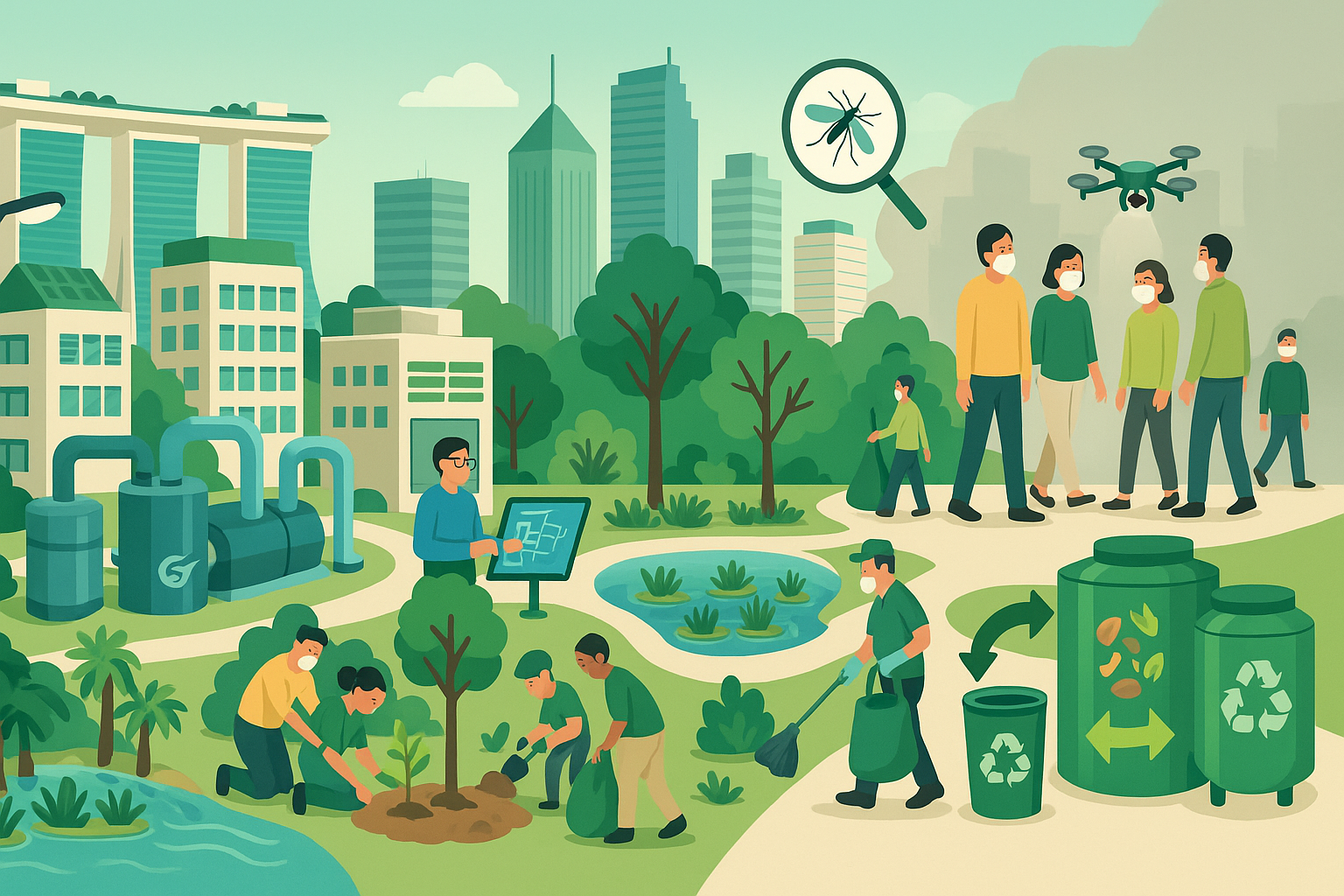
Infectious disease management illustrates another important dimension of state responsibility. Health authorities track specific diseases, collect data from clinics and hospitals, and keep an eye out for unusual patterns. When a threat emerges, measures such as testing, contact tracing, isolation, or travel restrictions can be activated. Investments in dedicated treatment facilities, laboratory capacity, and inter-agency coordination help make responses more effective. Transparent communication is a crucial tool, used to update the public and encourage cooperation.
As society changes, the government’s approach to public health continues to evolve. The growing number of older adults, the heavy burden of chronic illnesses, and rising awareness of mental health are reshaping priorities. Policies are moving towards keeping people healthier in their homes and communities for longer, rather than relying mainly on hospitals. Digital tools—like teleconsultations, remote monitoring devices, and online health information—are increasingly woven into strategies.
Ultimately, the government’s role in public health in Singapore is not limited to hospitals or crisis responses. It extends into housing estates, schools, offices, and community centres. By guiding financing, regulating care, promoting healthy lifestyles, and preparing for threats, public institutions create the conditions in which Singaporeans live, fall ill, recover, and age. The choices of individuals still matter greatly, but they are made within a system carefully shaped by the state.