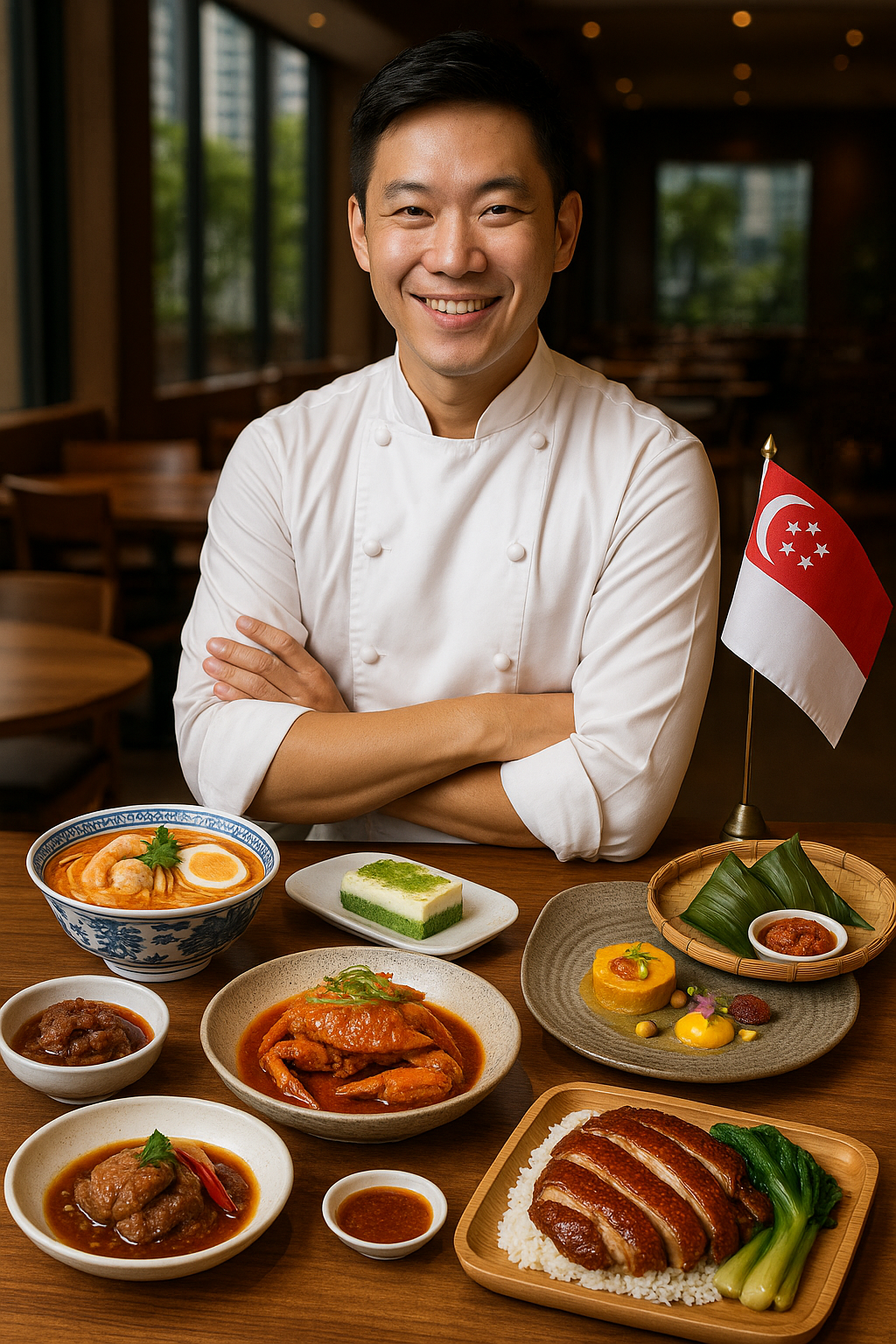
The international rise of Singaporean cuisine owes much to the vision and persistence of its chefs. Operating at all levels—from casual eateries to fine dining temples—they have turned local ingredients and recipes into globally recognized experiences. Their efforts illustrate how a city can leverage its culinary diversity to become a significant player on the world stage.
Singapore’s position along major trade routes has historically brought spices, ingredients, and people from across Asia and beyond. Today’s chefs inherit that legacy. Many of them see their role as storytellers, using food to narrate the encounters between Chinese, Malay, Indian, and Western influences. At high-end restaurants, tasting menus often read like a guided tour through Singapore’s past and present, introducing international diners to items like pandan, sambal, and preserved radish in sophisticated new forms.
One of the pioneering figures in this movement is André Chiang, whose tenure in Singapore elevated the city’s profile among global gastronomes. His restaurant functioned as a creative atelier, where local produce and Asian ideas met modern European presentation. Such an approach resonated with a generation of younger chefs who recognized that they, too, could build globally respected careers without abandoning their roots.
In parallel, chefs like Justin Quek have demonstrated the commercial and cultural viability of sophisticated Franco-Asian cuisine. By opening and consulting for restaurants in multiple Asian cities, he disseminates a style of cooking that is recognizably Singaporean in its openness to blending techniques and flavors. His menus often feature classic French preparations enriched with ingredients such as lemongrass, ginger, or local seafood, giving diners an accessible yet distinctive bridge between East and West.
Street-level food has also gained unprecedented visibility. Chan Hon Meng’s journey from a modest hawker stall to a Michelin-starred name is one of the most famous examples. The global fascination with his soy sauce chicken underscored the idea that culinary talent can shine in informal settings. As his brand expanded into other countries, it carried with it elements of Singaporean hawker culture: communal dining, quick service, and bold, comforting flavors.
Innovative reinterpretations of local dishes are another key aspect of Singapore’s global culinary reputation. At Restaurant Labyrinth, LG Han collaborates with farmers and fishermen from the region to rebuild classic dishes from the ground up. In doing so, he aligns with international trends toward sustainability and locality, while still delivering flavors that speak clearly of Singapore. His work has contributed to a broader understanding abroad that Singaporean cuisine is not static, but evolving and thoughtful.
The dessert world has not been left behind. Janice Wong’s imaginative sweets challenge expectations about what a dessert can be, often engaging multiple senses and encouraging diners to play with their food. Her presence in international markets and events helps to present Singapore as a hub of culinary creativity, not only for savory dishes but also for pastry and confectionery.
Malcolm Lee’s Peranakan menus at Candlenut further deepen the story, showcasing the complexity of a hybrid culture born in the region. Through elegantly plated curries, stews, and kueh, visitors from abroad encounter intricate spice blends and cooking techniques unique to this community. Reviews and media coverage surrounding his restaurant strengthen the association between Singapore and thoughtful, heritage-driven dining.
Collectively, these chefs participate in festivals, guest residencies, and media appearances that amplify their influence. Their work encourages international audiences to see Singapore not just as a stopover destination, but as a culinary powerhouse worth exploring in depth. By honoring local traditions while engaging confidently with global trends, they have turned Singapore’s food culture into an exportable asset and a source of national pride.