Singapore is a dynamic and cosmopolitan country, and its cultural festivals serve as a celebration of the nation’s rich and diverse heritage. These events, which draw on the traditions and customs of the different ethnic communities that make up the country, offer both locals and visitors an opportunity to experience the full spectrum of Singaporean culture. From religious observances to community gatherings, Singapore’s cultural festivals are an expression of the country’s commitment to inclusivity, unity, and respect for diversity.
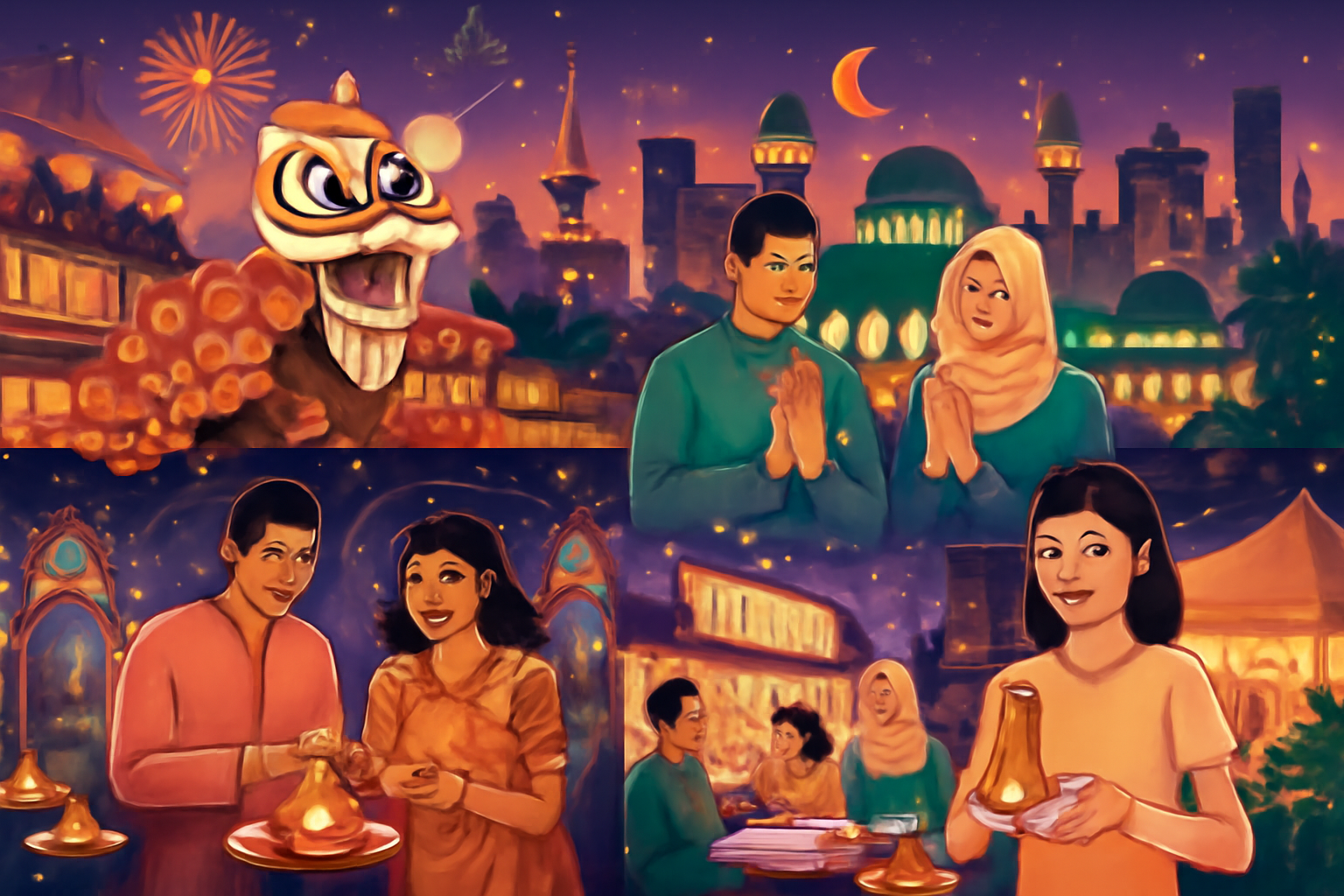
One of the most important and widely recognized festivals in Singapore is Chinese New Year. The Chinese community, which forms the majority of the population, celebrates the lunar new year with elaborate traditions, including lion dances, dragon parades, and the lighting of fireworks. Chinatown is transformed during this period, with markets offering a wide variety of goods, from auspicious decorations to festive food. Chinese families come together to honor their ancestors, clean their homes to sweep away bad luck, and enjoy large feasts. The festival embodies themes of renewal, family, and prosperity, which are central to Chinese culture.
Hari Raya Puasa, marking the end of the fasting month of Ramadan, is another key cultural event in Singapore. This festival is of great significance to the Muslim community, who celebrate with prayers, feasts, and the exchange of gifts. In areas like Kampong Glam, the streets are decorated with lights and ornaments, creating a festive atmosphere. Hari Raya is also a time for charity, with Muslims donating to the less fortunate and visiting family and friends. The spirit of giving, sharing, and togetherness is a cornerstone of the celebration, and the festival highlights the importance of empathy and compassion.
Deepavali, the Indian festival of lights, is another major celebration in Singapore. This festival, which is particularly important to Hindus, symbolizes the triumph of light over darkness and good over evil. During Deepavali, Singapore’s Little India district is illuminated with vibrant lights and colorful decorations. Families clean their homes, pray for prosperity, and enjoy traditional sweets and snacks. The festival is marked by a spirit of joy, renewal, and togetherness, and it is an occasion to strengthen family bonds while honoring ancient traditions.
Beyond these traditional ethnic festivals, Singapore also embraces international events that reflect its global outlook. The Singapore Arts Festival is an excellent example, bringing together performers and artists from all over the world to showcase their talents. The festival highlights the importance of creative expression and provides a platform for cross-cultural dialogue, encouraging Singaporeans and visitors alike to explore new artistic experiences.
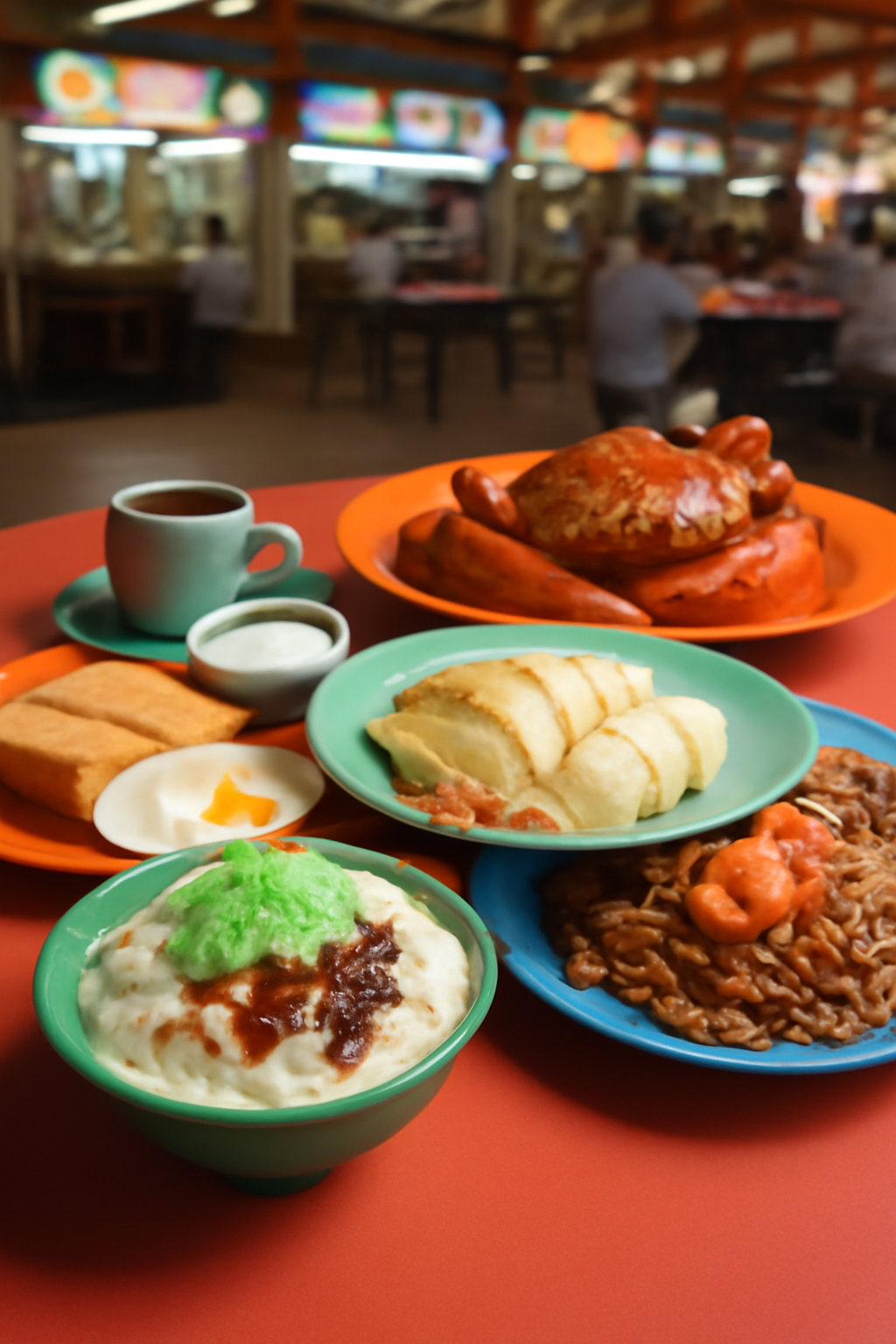
Additionally, the Singapore Food Festival is a celebration of the nation’s diverse culinary heritage. With its blend of Chinese, Malay, Indian, and international influences, Singaporean cuisine is a true reflection of its multicultural society. The food festival is an opportunity for food lovers to explore the diverse flavors that make Singapore’s food scene one of the most exciting in the world. From street food in hawker centers to high-end dining experiences, the festival offers something for everyone and highlights the importance of food in bringing people together.
Through these festivals, Singapore celebrates its unique cultural landscape, bringing people of all ethnicities and backgrounds together to share in the joys of tradition, food, art, and community. These cultural events not only preserve and promote the customs of each ethnic group but also foster mutual understanding and respect, making Singapore a model of multicultural unity in the modern world.