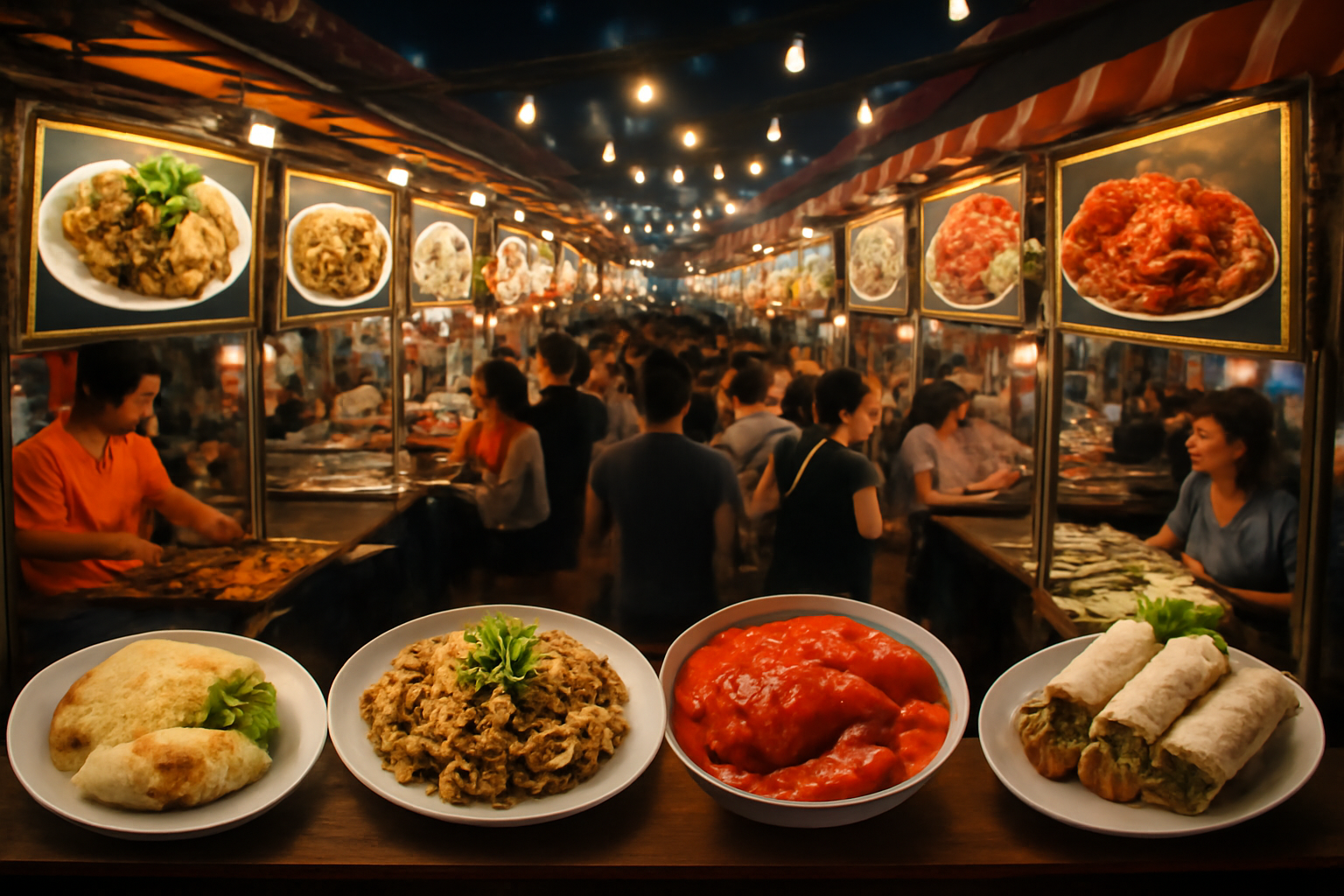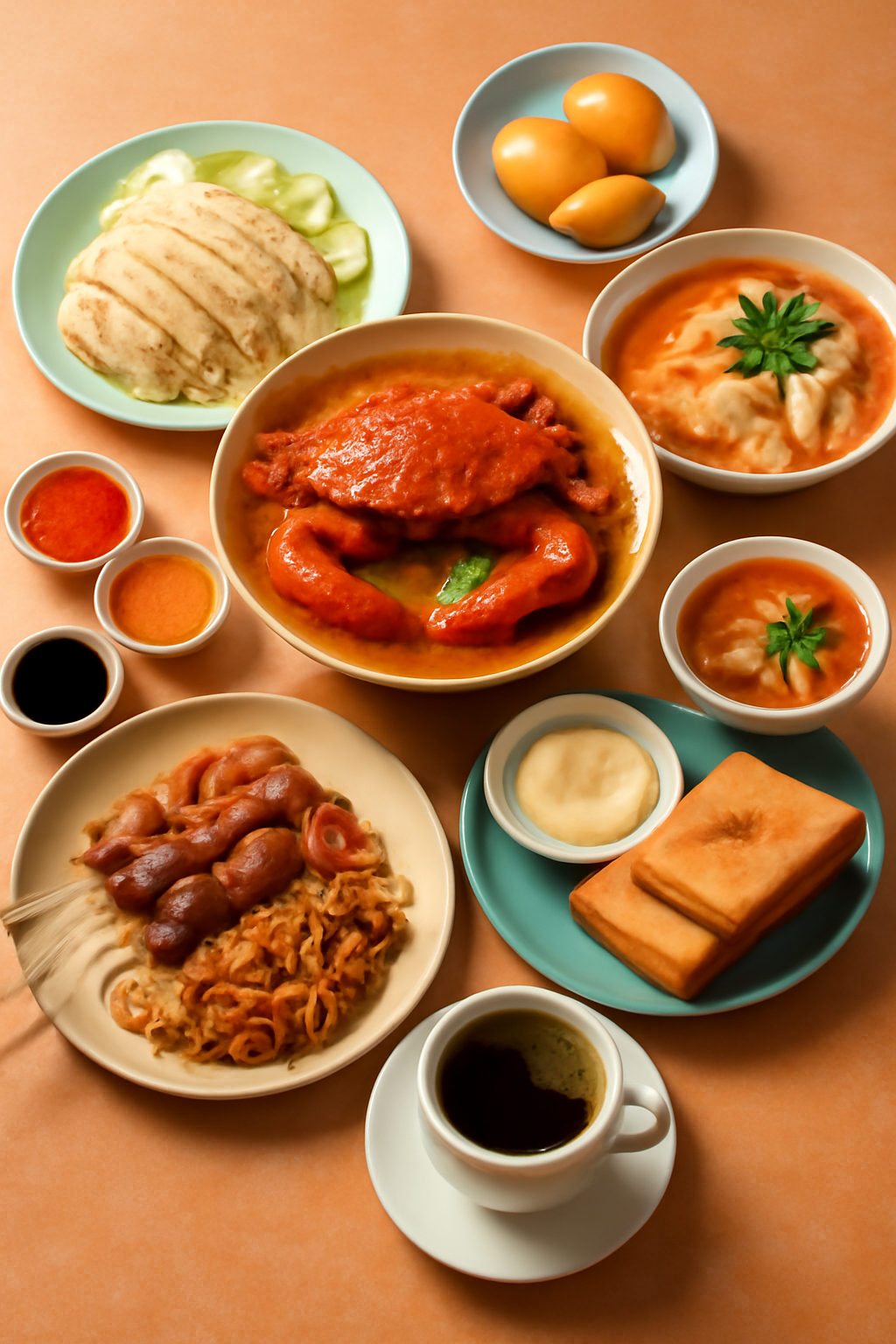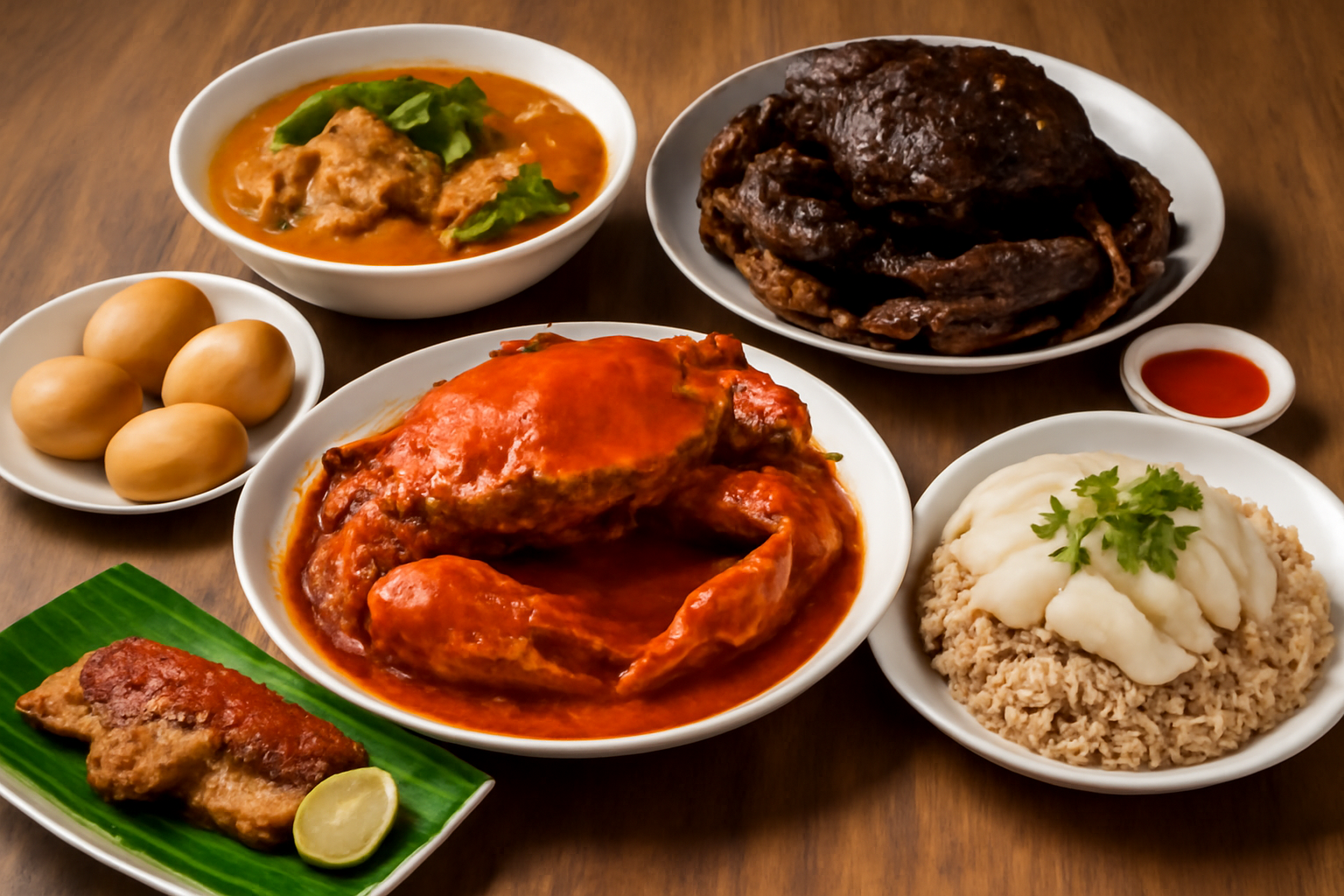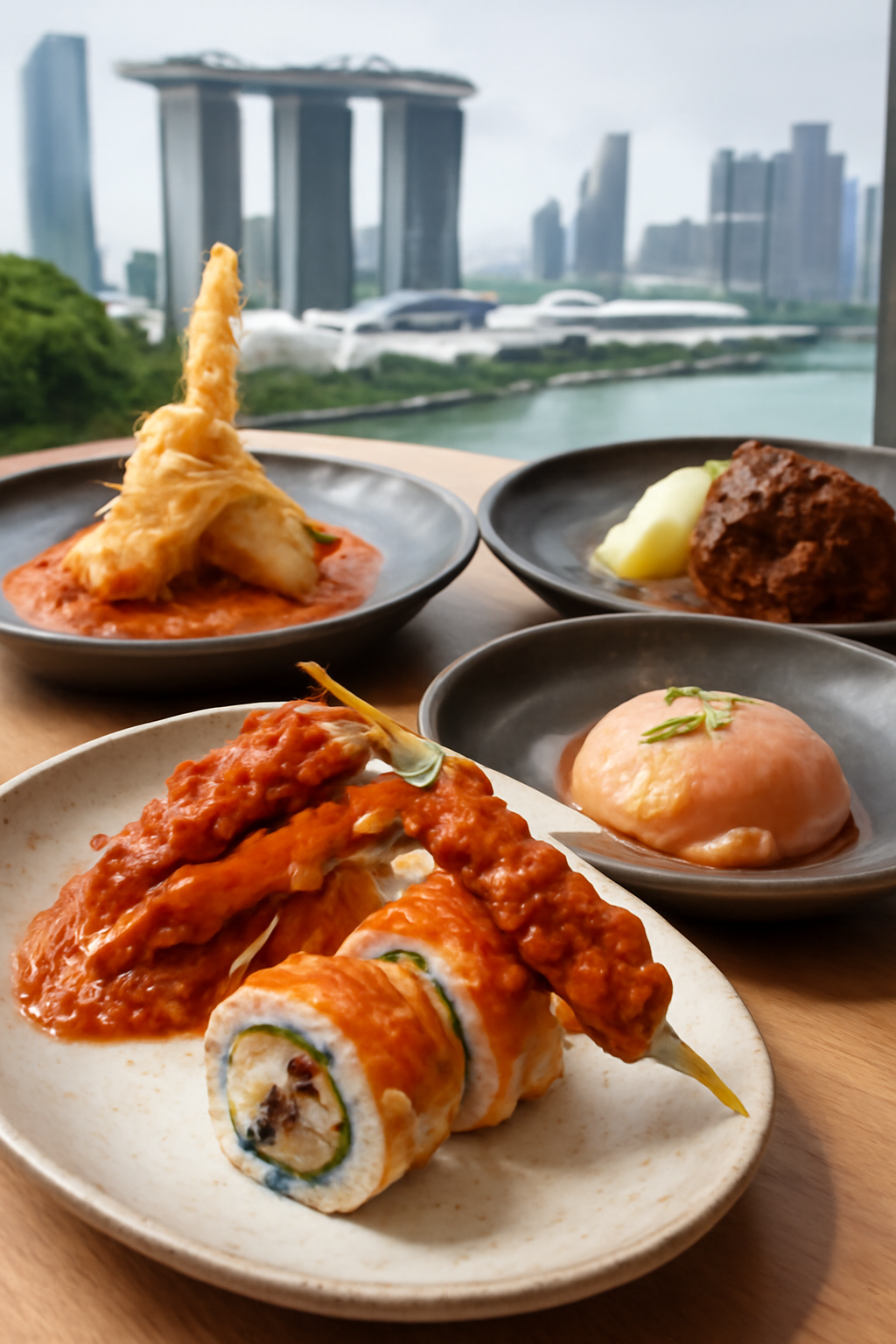
In recent years, Singapore has become a hub for food innovation, particularly in the realm of fusion cuisine. The city’s culinary scene is evolving, with traditional dishes being reinterpreted through the blending of flavors, ingredients, and techniques from around the world. This wave of fusion food and flavor innovation has captivated both locals and international visitors, reshaping how food is experienced in Singapore.
Fusion food combines diverse culinary traditions to create unique dishes that surprise and delight the taste buds. Chefs are experimenting with the best of both worlds, combining ingredients and techniques from different food cultures to create dishes that break away from the traditional. A perfect example is the fusion of Japanese and local flavors. Dishes like tempura with a local chili crab sauce or sushi rolls filled with Singaporean-style satay skewers are reflective of the blending of two culinary worlds.
The integration of Western and Asian cooking methods is also playing a significant role in shaping modern Singaporean cuisine. Local chefs are taking inspiration from French, Italian, and even Spanish culinary techniques to reinterpret traditional Singaporean dishes. For instance, dishes like beef rendang, a rich, spiced Indonesian dish, might now be served using French slow-cooking techniques, enhancing the tenderness of the meat and allowing the flavors to meld together even more intensively.
One notable trend that complements fusion food is the use of technology in cooking. The incorporation of sous-vide, molecular gastronomy, and fermentation techniques has allowed chefs to elevate traditional dishes, adding new textures, flavors, and presentations. Chefs at renowned restaurants are using these advanced methods to create dishes like laksa foam or chili crab with air, transforming well-known dishes into something more visually and gastronomically exciting.
What is particularly remarkable about the fusion food movement in Singapore is its emphasis on local ingredients. Chefs are increasingly looking inward for inspiration, incorporating indigenous flavors such as galangal, lemongrass, and tamarind into their modern creations. This push for sustainability encourages a deeper connection to the region’s agricultural heritage, ensuring that the flavors of Singapore remain firmly rooted in the land while simultaneously pushing the boundaries of global culinary trends.
The cultural melting pot that is Singapore provides the perfect environment for fusion food to thrive. Whether it’s blending Malay spices with European techniques or fusing traditional Chinese cooking methods with modern technology, chefs are free to experiment with a diverse range of influences. This spirit of culinary exploration, coupled with the city’s vibrant food scene, has resulted in a dynamic and ever-changing gastronomic landscape that keeps food lovers coming back for more.
In essence, the fusion food trend in Singapore represents a new era in dining, where tradition meets innovation. It is a testament to the creativity and resourcefulness of the chefs who are reshaping the city’s culinary identity and creating new dining experiences that excite the senses. With the continued experimentation of flavors, ingredients, and techniques, Singapore remains a leader in the global food scene, where the boundaries of culinary possibilities are constantly being pushed.