Singapore’s fashion landscape is shaped by three major forces: multicultural tradition, global trend access, and the practical demands of tropical city life. Because the country is both culturally diverse and internationally connected, style in Singapore often looks like a seamless fusion—heritage-inspired details integrated into modern outfits, and global aesthetics adjusted to fit local climate and lifestyles.
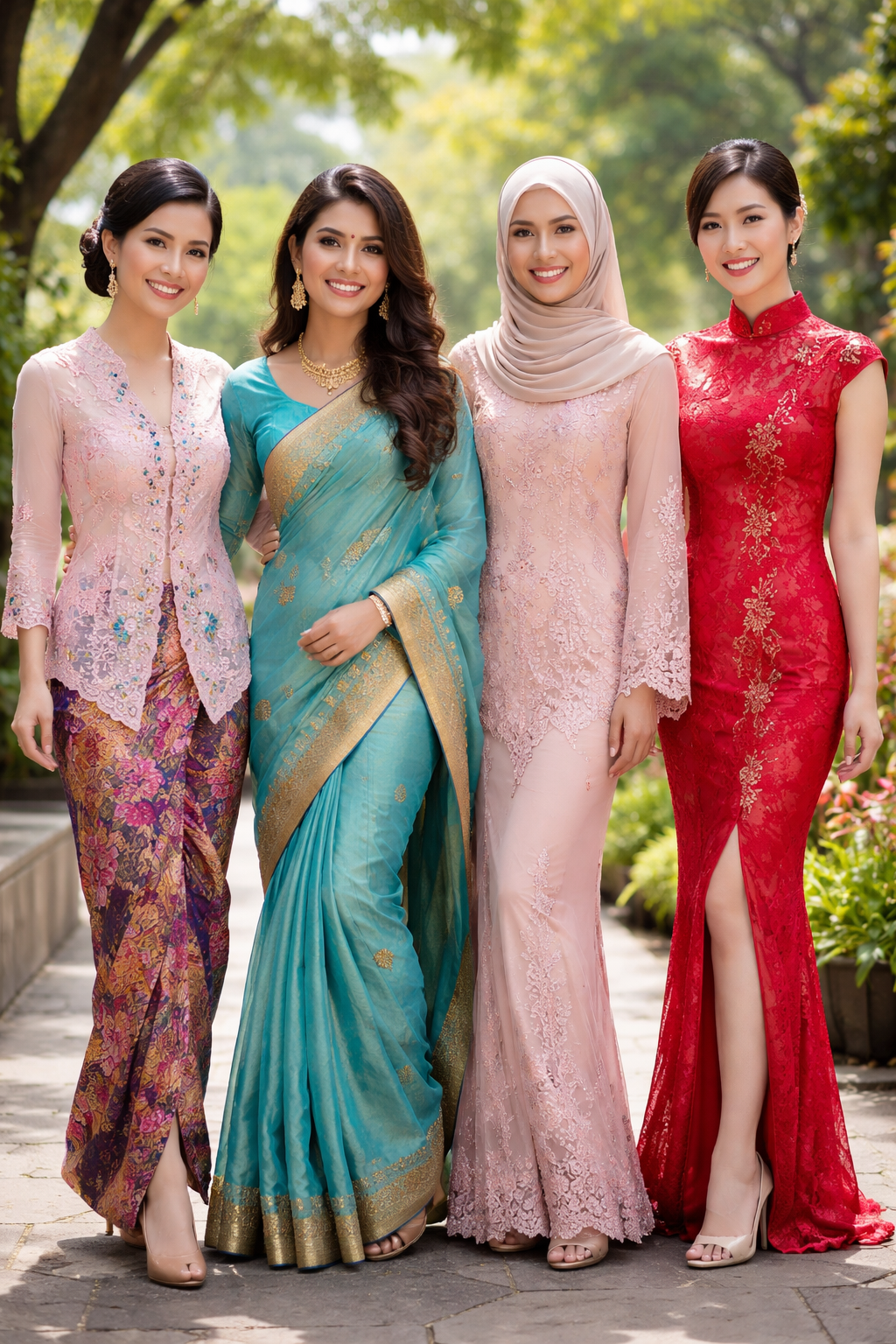
Cultural diversity is the starting point. Chinese, Malay, Indian, and Peranakan communities contribute distinct clothing traditions and design languages. The cheongsam offers sleek lines and structured elegance; Malay attire such as the kebaya and baju kurung highlights graceful shapes and intricate detailing; Indian fashion introduces rich textiles, drape, and ornamentation through garments like the saree. These traditions remain prominent during festivals and ceremonies, but they also influence everyday fashion through prints, tailoring choices, and accessories.
Modern Singaporean designers frequently draw on heritage in subtle ways. Instead of recreating traditional garments exactly, they might reference their features: a mandarin collar placed on a contemporary shirt, kebaya-inspired lace used as a modern layer, or batik motifs redesigned into simplified patterns that suit casual or workwear. This approach keeps cultural identity present while ensuring the clothing fits into modern routines—commuting, office environments, social gatherings, and travel.
Singapore’s global exposure adds another dimension. As a major business hub, the city attracts international shoppers, brands, and creative influences. Luxury houses and contemporary labels have strong visibility, and fast-fashion chains deliver trend cycles quickly. Social media intensifies this global flow, making styles from Seoul, Tokyo, Europe, and the United States immediately accessible. Rather than competing with local culture, global influence often becomes material for new combinations: minimalist outfits featuring heritage accents, or streetwear looks softened with traditional patterns and handcrafted accessories.
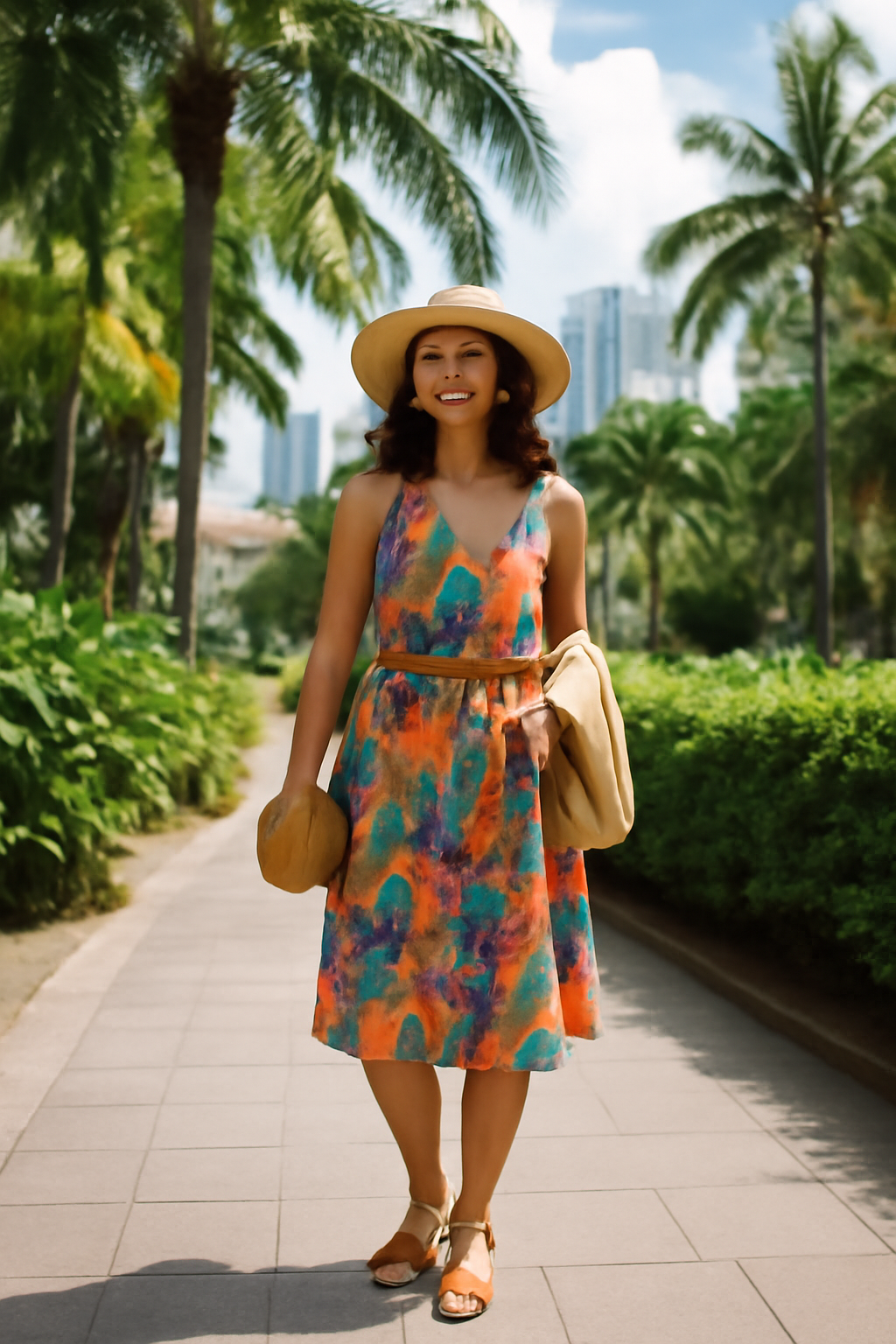
Tropical weather is a powerful editor of what actually works. Heat and humidity push people toward breathable fabrics and relaxed proportions. Linen, cotton, lightweight blends, and airy knits are common. Many outfits are built around comfort-first silhouettes—flowing dresses, wide-leg trousers, oversized shirts—then refined through styling and accessories to maintain a polished appearance. Because indoor spaces are heavily air-conditioned, layering tends to be light and strategic, using thin outerwear or versatile overshirts.
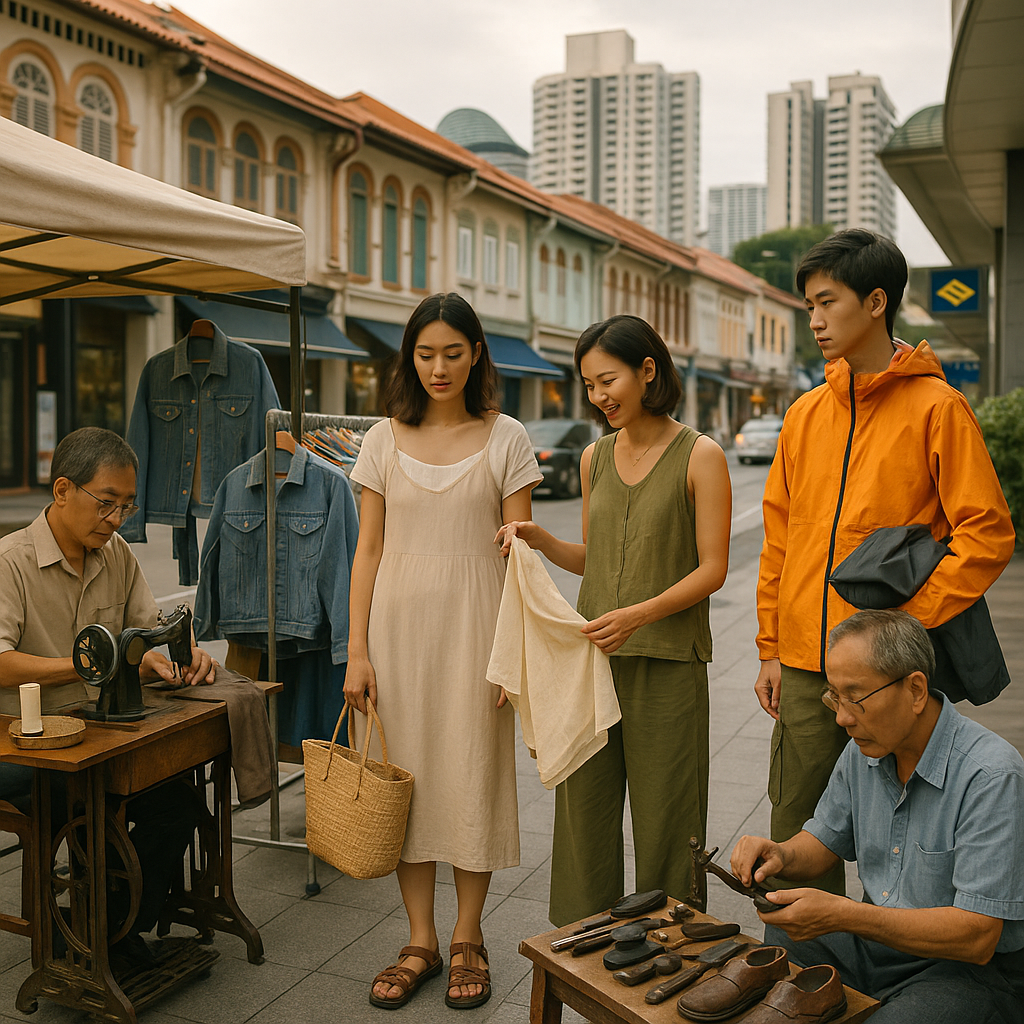
Different parts of Singapore reveal different style identities. Orchard Road is associated with high-end shopping, international brand presence, and trend visibility. In contrast, areas like Kampong Glam and Bugis support independent boutiques, streetwear culture, and modest fashion markets. Heritage districts provide access to textiles, tailoring, and traditional craftsmanship, helping newer brands stay connected to older methods and materials.
Modest fashion is especially significant in Singapore because it aligns cultural needs with contemporary design. Many modest collections focus on elegant drape, coordinated sets, and breathable construction—creating clothing that feels current while respecting coverage preferences. This overlaps with global modest-fashion movements, but Singapore’s version is strongly shaped by local multicultural life and regional ties.
Sustainability is becoming increasingly relevant as well. Thrift shopping, resale platforms, and upcycling initiatives are expanding. Some local brands emphasize small-batch production, timeless silhouettes, and durable quality—an approach that fits Singapore’s seasonless climate and encourages longer garment lifespans.
Singapore fashion is not a single trend or a single heritage story. It is an evolving blend: cultural references adapted for modern wear, global styles filtered through local preferences, and practical design choices shaped by heat, humidity, and an urban lifestyle. This constant blending gives Singapore its distinct fashion personality—hybrid, versatile, and deeply influenced by both local roots and international flow.