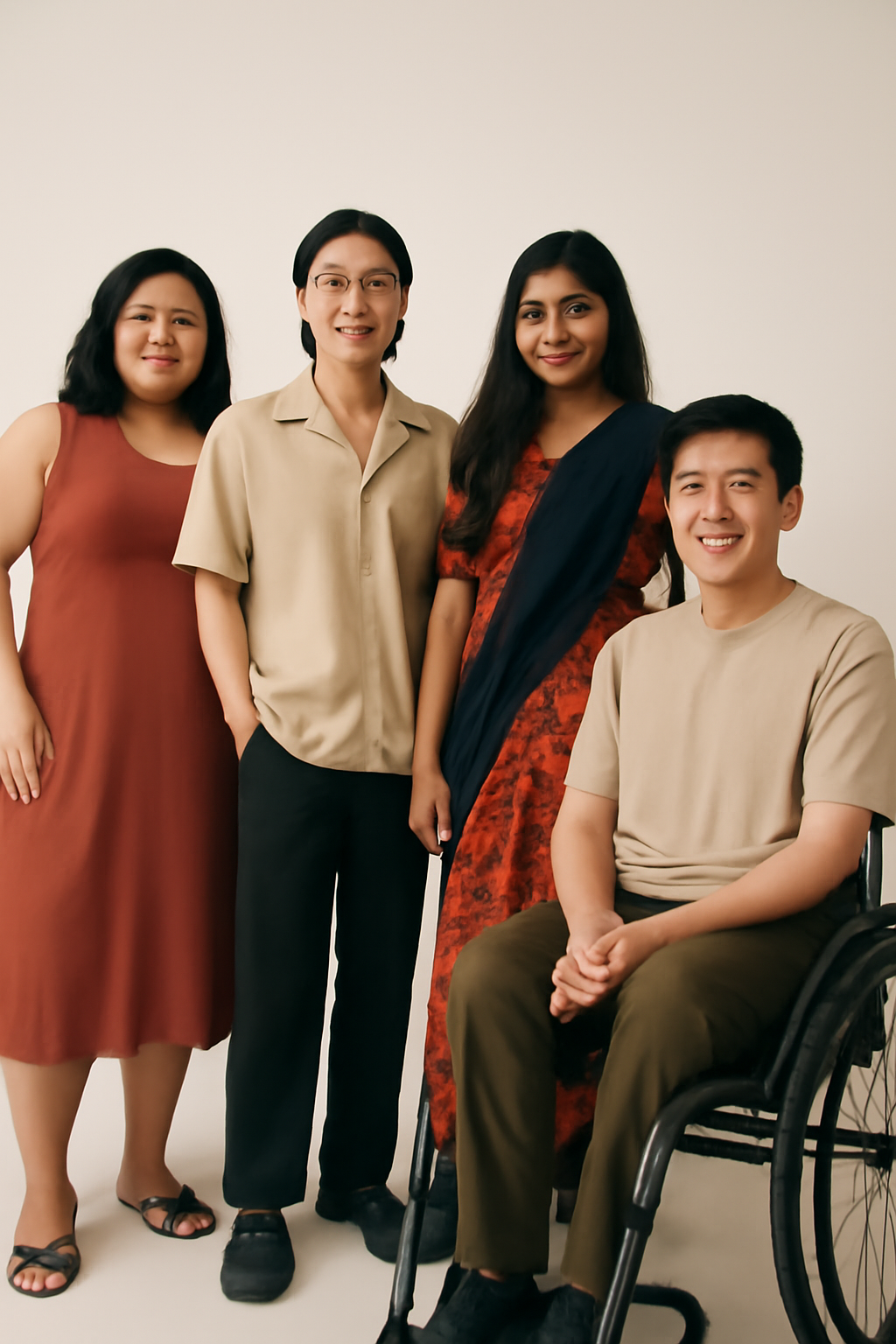
As Singapore’s fashion industry evolves, inclusivity has emerged as a defining characteristic of the local fashion scene. The push for more inclusive fashion is driven by a desire to reflect the true diversity of Singapore’s population, and it goes beyond just offering larger sizes or more gender-neutral options. Inclusivity in Singapore’s fashion industry encompasses a wide array of considerations, from size and shape to ethnicity, culture, and accessibility.
In a country as multicultural as Singapore, it’s no surprise that designers are increasingly celebrating cultural diversity within their collections. The city-state’s mix of Malay, Chinese, Indian, and other communities provides a rich source of inspiration for fashion designers. Today, fashion shows and campaigns in Singapore feature a more diverse mix of models, which helps to break away from the stereotypical standards of beauty that have historically dominated the fashion world.
Another significant area of change in Singapore’s fashion industry is the movement toward body inclusivity. In the past, people of larger body sizes were often overlooked by mainstream fashion brands. Today, more brands are recognizing the importance of catering to all body types, offering clothing in extended sizes that allow everyone to enjoy trendy, high-quality pieces. Brands like ShoeDazzle and Love, Bonito are championing size inclusivity, allowing consumers of all sizes to find clothing that suits their needs.
Gender inclusivity is also a prominent trend in Singapore’s fashion scene. With an increasing number of consumers rejecting traditional gender norms, fashion labels are offering collections that are not limited by gender categories. Many brands now feature unisex designs that allow for greater self-expression, regardless of one’s gender identity. Designers in Singapore are embracing the notion that fashion should not be confined to rigid categories but should instead be about personal expression.
The concept of adaptive fashion is another exciting development within Singapore’s inclusive fashion scene. Adaptive fashion is designed specifically for individuals with disabilities, featuring elements like magnetic closures or easy-to-wear fastenings that make clothing accessible for people with mobility challenges. Brands in Singapore are beginning to recognize the need for clothing that accommodates a range of abilities, which is helping to create a more inclusive and accessible fashion market.
Finally, online platforms have played a pivotal role in making inclusive fashion more accessible. Digital platforms such as Lazada and Shopee offer an extensive range of inclusive brands, allowing consumers to easily browse and purchase clothing from a variety of brands and designers. These platforms ensure that inclusive fashion is available to people across Singapore, regardless of location or accessibility challenges.
As inclusivity continues to reshape Singapore’s fashion industry, it is clear that the future of fashion is one where diversity, representation, and accessibility are prioritized. The industry’s commitment to inclusivity ensures that fashion is no longer a luxury for a select few but a powerful tool for self-expression and empowerment for all individuals, no matter their background, size, or ability.