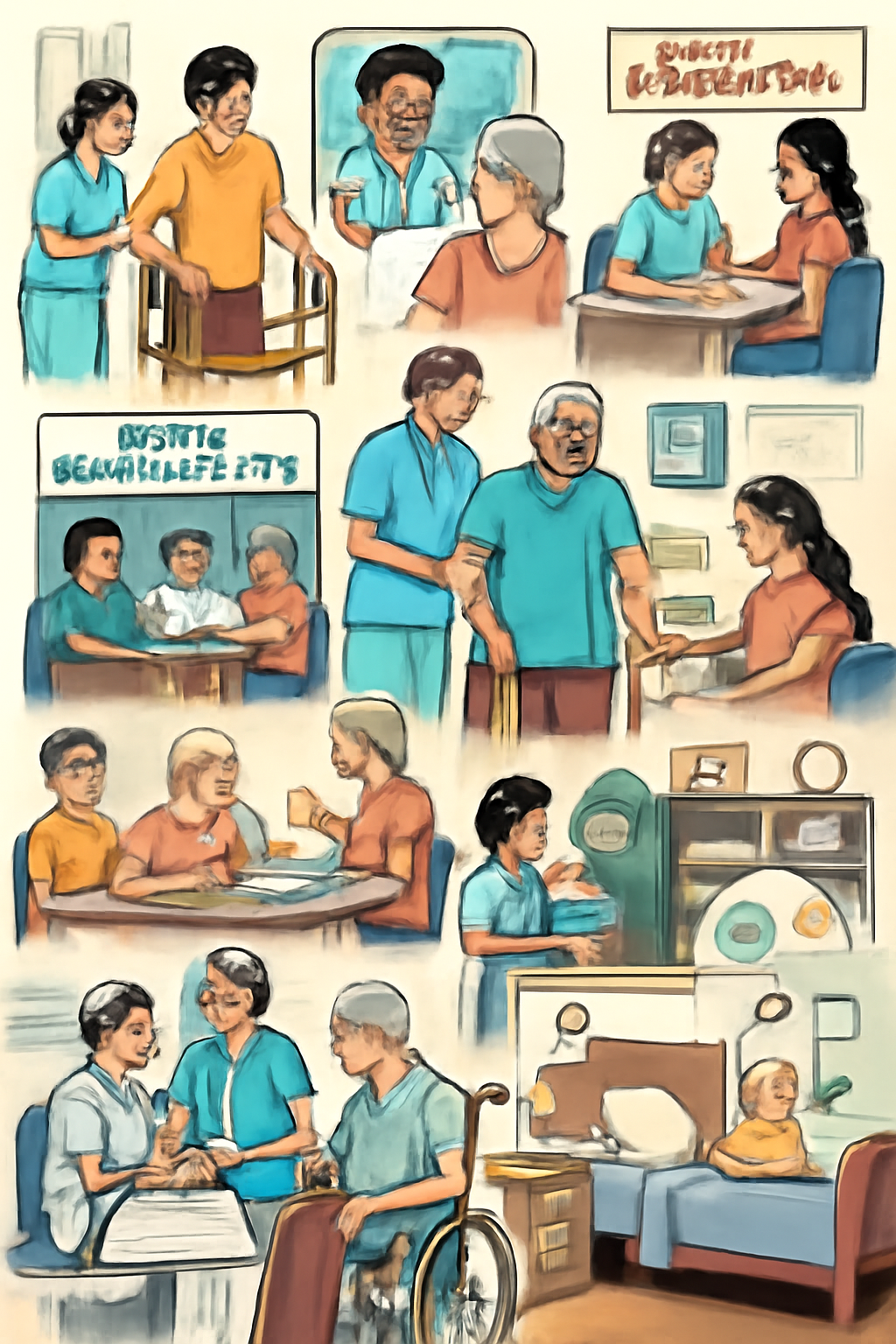
As Singapore ages, the care model emphasizes safety, dignity, and real choice for seniors and families. The system is intentionally layered—home, community, and residential options—so that care intensity can increase only as needs demand, preserving independence where possible.
Home-based care is the first line for many: personal care, home nursing, allied health therapies, and medical escort services. These reduce hospital visits and maintain familiar routines. Community services extend support: Active Ageing Centres encourage exercise, nutrition awareness, and social connection; senior day care provides structured days and meals; dementia day care adds memory work, validation techniques, and behavior support. For those with high dependency, nursing homes provide 24/7 nursing, rehabilitation, and palliative services. Transitional care eases hospital discharge and stabilizes recovery.
The Ministry of Health oversees licensing and standards, while the Agency for Integrated Care acts as the central navigator—conducting assessments, advising on options, and assisting with subsidies. Providers track outcomes such as fall rates, pressure injury incidence, readmissions within 30 days, vaccination uptake, and therapy progress. Continuous audits and quality improvement projects are part of everyday operations.
Financing is designed to be inclusive. MediShield Life covers large inpatient costs; MediSave offers medical savings for approved long-term care uses; CareShield Life pays lifelong benefits upon severe disability; and means-tested subsidies lower fees for eligible citizens and permanent residents. Silver Support and cohort-based benefits (Pioneer, Merdeka) add further affordability for seniors with limited income or savings.
Technology improves reliability and access. Telehealth keeps routine medical reviews convenient. Electronic medication systems reduce errors. Sensors, wearables, and bed-exit alarms enhance safety for those at risk of falls or wandering. In design, dementia-friendly features—high-contrast cues, non-reflective flooring, and calm color palettes—support orientation and reduce distress.
Caregivers are supported through training, respite care, and helplines. Practical education on transfers, feeding, and medication management increases confidence at home. Respite, via day programs or short-term residential stays, gives families time to rest, attend to work, or handle emergencies without risking caregiver burnout.
Choosing a provider involves both data and feel. Review staffing ratios and qualifications, languages spoken, and staff turnover. Ask how individualized care plans are set, how often they’re reviewed, and how families are engaged. Examine fall prevention strategies, infection control, rehabilitation intensity, and emergency procedures. When possible, visit: observe hygiene, mealtime dignity, activity variety, and whether residents appear engaged and respected.
Singapore is expanding assisted living concepts and neighborhood-based supports so that more seniors can age well in community. The system’s strength lies in coordination—policy frameworks, funding layers, and clinical governance—combined with compassion at the point of care. For families, this means there are credible pathways to safety and meaning at every stage of ageing.