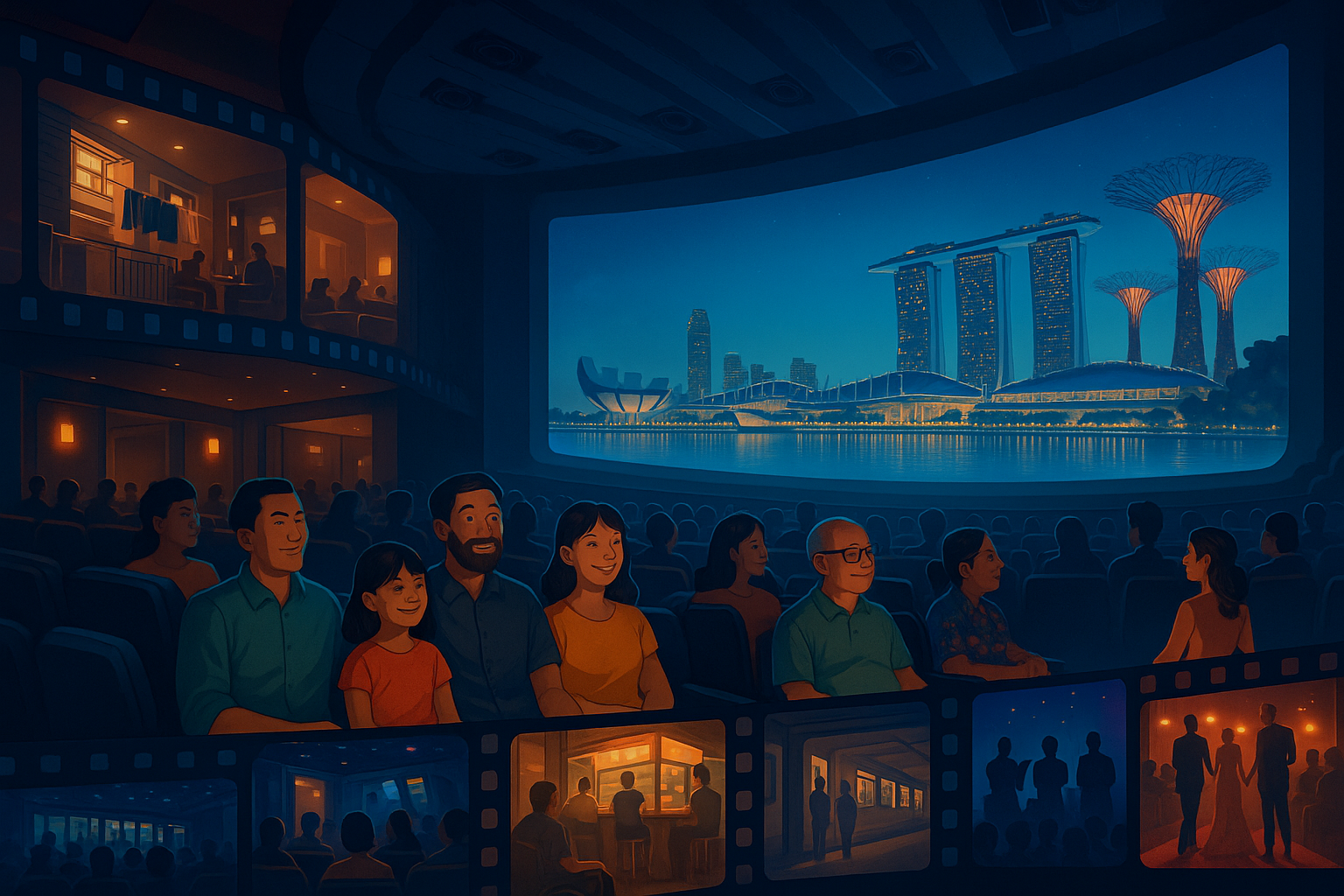
What makes Singapore’s movie landscape resilient is the way commerce and culture reinforce each other. Multiplexes keep the lights bright with blockbusters and family fare, investing in premium halls—IMAX, Dolby Cinema, Atmos—that set high presentation benchmarks. Boutique cinemas cultivate niche audiences through comfort, curated slates, and community-driven events. This mix stabilizes the market: tentpole revenues support infrastructure, while specialty programming keeps curiosity alive and loyal patrons returning between mega-releases.
Local filmmaking has a clear runway to audiences. Singaporean features span gentle coming-of-age stories, observational dramas, and sharp comedies rooted in everyday pressures—housing, education, identity. Multilingual dialogue is common; English, Mandarin, Malay, and Tamil cross paths naturally, and subtitling ensures broad access. Shorts programmes and documentary showcases surface new voices, often graduating from festival circuits to limited theatrical runs. Regional co-productions broaden financing and distribution, letting films travel while still feeling grounded in the city’s textures—HDB corridors, hawker stalls, MRT commutes.
Distribution breadth is a second pillar. The international slate ranges from U.S. studio releases to Korean, Japanese, and Indian hits that open with significant fanfare. European and Southeast Asian festival titles appear through partnerships with curators, archives, and cultural institutions, giving audiences a steady pipeline of discoveries. Audience development is active: Q&As, masterclasses, and thematic series cultivate a dialogue around film, while loyalty schemes and subscription bundles create repeat habits beyond single-title hype.
Access and policy play stabilizing roles. The IMDA rating system—G, PG, PG13, NC16, M18, R21—signals content expectations and helps families choose confidently. Cinemas verify ages for mature categories, keeping standards consistent. Facilities are modern: wheelchair seating, companion spots, and assistive listening systems feature in many halls; open-caption screenings are scheduled for select runs. E-ticketing, assigned seats, and reliable showtime punctuality translate to a smooth customer journey, which in turn builds trust—crucial for convincing audiences to try lesser-known titles.
Cultural anchors keep the conversation fresh. The Singapore International Film Festival convenes local and global talent, elevating premieres and restoring attention to regional cinema. The Projector’s repertory and arthouse programming nurtures adventurous viewing habits, while archival and museum cinemas host retrospectives that contextualize the present through the past. Together, these players ensure that film in Singapore is more than a commodity; it’s a shared practice. On any given week, the city can serve a superhero spectacle, a Tamil musical, a restored classic, and a shoestring indie—all presented with technical rigor and an open invitation to explore.