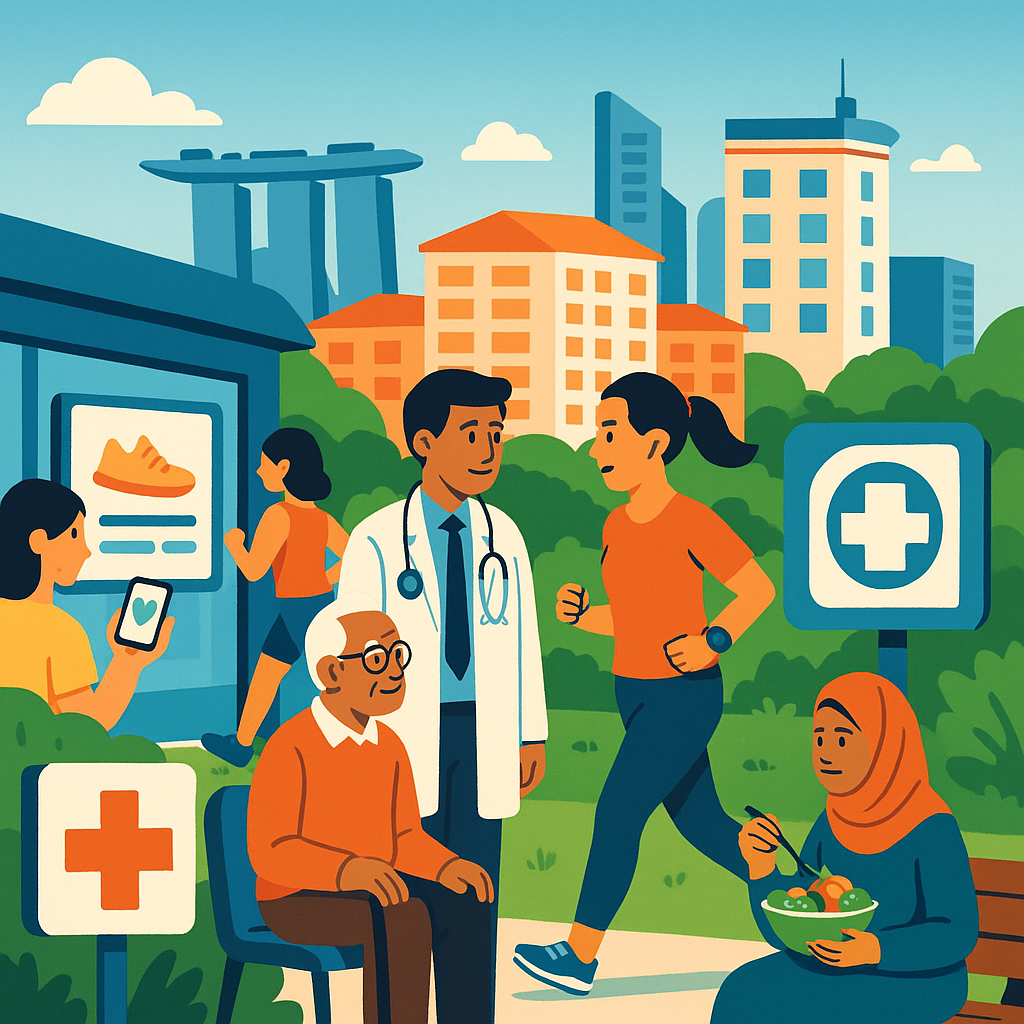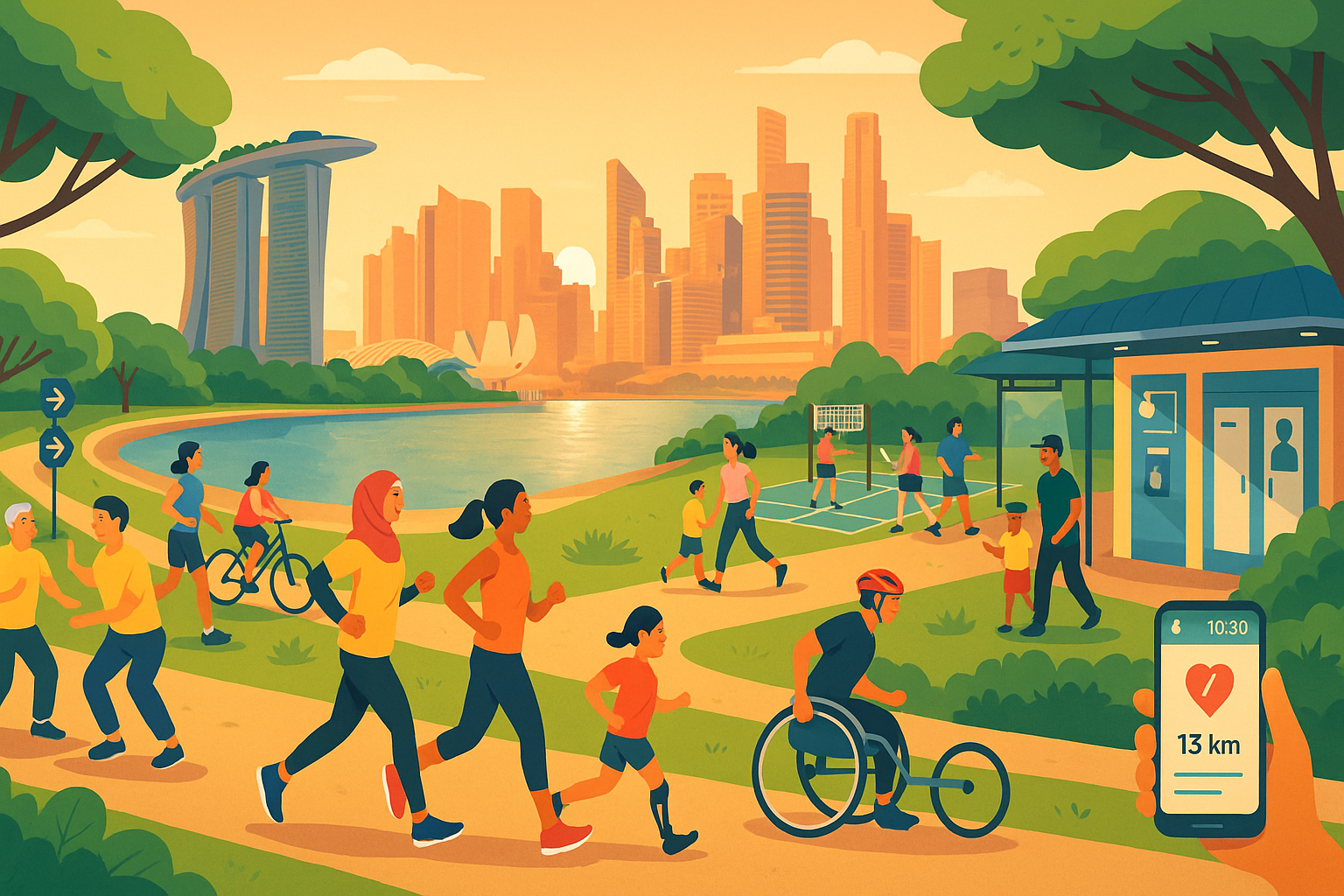
Singapore offers a compelling design brief for any city seeking to raise quality of life through sport. The strategy spans hardware (parks, facilities), software (programs, incentives), and “warmware” (community). Together, they convert public space into a platform for prevention and joy.
Hardware first. Green corridors connect estates to waterfronts and nature parks, creating loops ideal for walkers, cyclists, and families. Sports complexes provide pools, multi-sport halls, and gyms with inclusive pricing. Wayfinding is clear, lighting is reliable, and amenities—lockers, showers, water points—support seamless use. These details communicate: “You belong here.”
Software next. Campaigns like steps challenges, workplace wellness competitions, and school-based fitness festivals layer motivation throughout the year. Health screenings, musculoskeletal assessments, and coaching translate data into action. Nutrition labeling and healthier dining programs reshape everyday decisions, while simple resources—stretch cards at bus interchanges, staircase prompts in offices—seed micro-habits across the city.
Warmware is the multiplier. Community leaders, volunteer coaches, and sports ambassadors cultivate welcoming environments. Walking clubs, inclusive runs, and intergenerational games provide regular touchpoints. Para-sport pathways and adaptive classes underscore the commitment to equity, and women’s health programming recognizes life-stage needs. These relationships sustain participation long after novelty fades.
Safety is thoughtfully embedded. Heat-smart scheduling, hydration guidance, and shaded routes enable year-round activity in a tropical climate. Clear advisories during haze periods, plus ready indoor alternatives, preserve continuity. Injury prevention is mainstreamed through technique coaching and progressive loads, and rest is framed as a training tool.
Digital tools streamline engagement. Apps handle bookings, class discovery, and reward systems tied to movement. Wearables integrate with public programs to celebrate consistent effort. Yet technology remains a means, not the meaning: it helps people find a badminton partner, learn a new stroke, or take the scenic route home.
The outcomes are multifaceted. Regular activity reduces chronic disease risks, supports healthy aging, and improves sleep. Green exercise and group play bolster mental health. Families bond over shared routines; neighborhoods feel safer with more eyes on the street. By embedding sport in everyday life, Singapore demonstrates that the path to a healthier population runs through joyful, inclusive motion—designed, supported, and sustained at city scale.