Singapore’s healthcare system stands as one of the most admired in the world, known for its balance of affordability, high quality, and innovation. By incorporating both personal responsibility and strong governmental support, Singapore has developed a sustainable healthcare model that has been widely lauded by health experts globally.
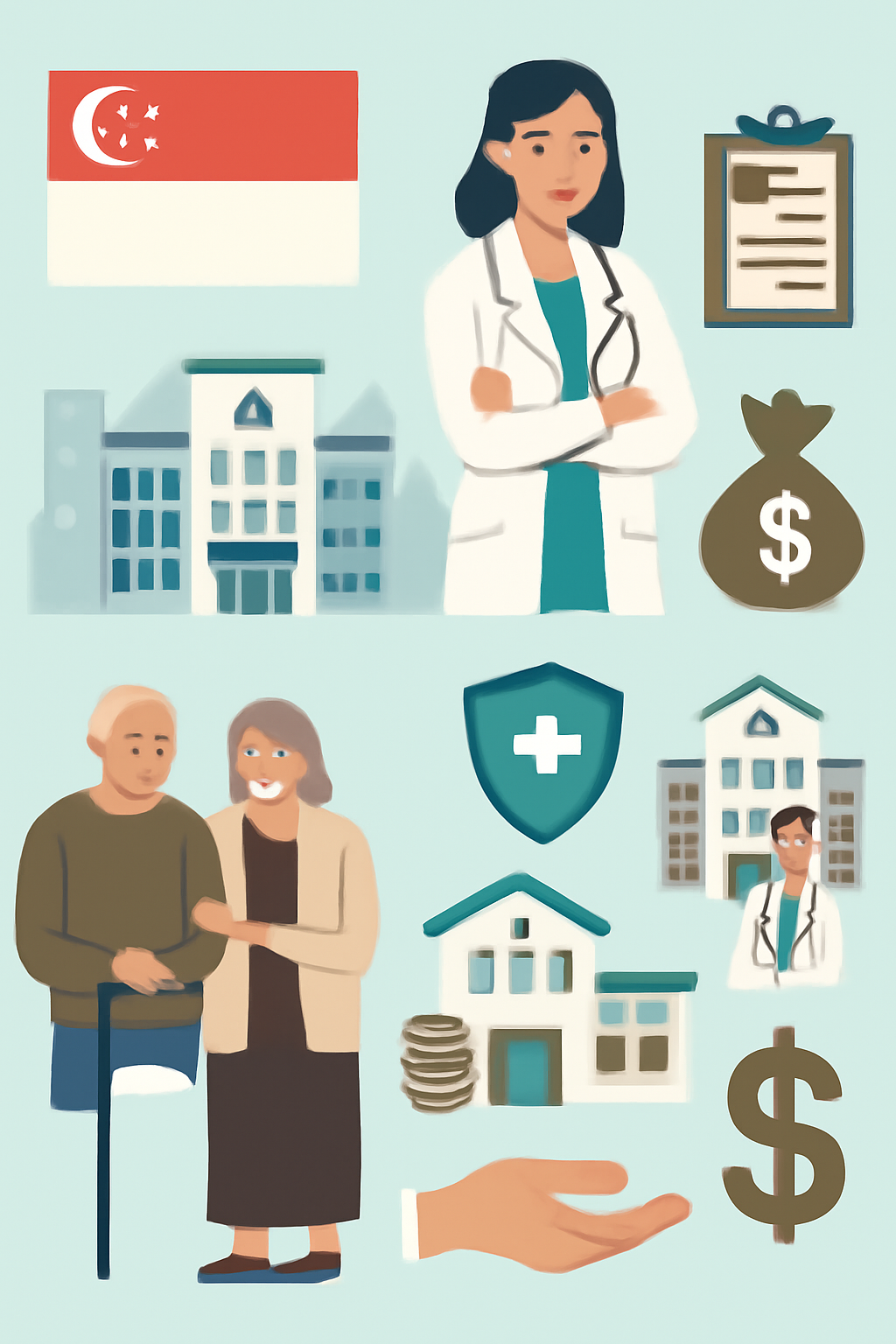
Central to Singapore’s approach is the “3M” framework, which comprises Medisave, Medishield Life, and Medifund. Medisave is a mandatory savings program that requires citizens to save a portion of their income to cover medical expenses. This ensures that individuals have the resources to pay for their own healthcare needs as they age. Medishield Life is a basic insurance program that covers large medical costs, especially for hospitalization, while Medifund acts as a safety net for those who cannot afford healthcare even with insurance coverage.
Public healthcare in Singapore is highly subsidized and of exceptional quality. Public hospitals and clinics are well-equipped and provide affordable care to citizens. The government also offers subsidies to ensure that healthcare remains accessible to all socioeconomic groups. While public healthcare services are highly regarded, the private sector also plays an essential role, offering more specialized care and personalized services for those who can afford it.
The government emphasizes personal responsibility in healthcare. Citizens are expected to use their Medisave accounts or Medishield Life before seeking government assistance, which helps manage public healthcare resources and ensures sustainability. This approach fosters a sense of ownership over one’s health costs while ensuring that the government can provide support to those in need.
Nevertheless, Singapore faces challenges in sustaining its healthcare system. As the population ages, the demand for healthcare services, especially for chronic and long-term care, continues to grow. The elderly population requires more healthcare services, placing pressure on both the public and private sectors. While programs like the Pioneer Generation Package offer support, the rising costs of healthcare remain a concern.
Another challenge is the inequality between public and private healthcare services. While the public sector provides excellent care at affordable prices, the private sector offers more advanced treatments and specialized services. This creates a divide where wealthier individuals have access to superior care, potentially leading to disparities in health outcomes.
Despite these challenges, Singapore’s healthcare system remains a global model of efficiency, affordability, and quality. The government’s commitment to creating a sustainable healthcare system, while balancing individual responsibility and state support, ensures that all citizens can receive the care they need. Moving forward, the country will need to continue adapting its policies to address the challenges posed by an aging population and the increasing costs of healthcare.