Singaporean television succeeds when it balances two pressures: global competition from streaming platforms and the need to speak directly to local realities. Because audiences are multilingual and highly connected online, a popular program must do more than fill airtime—it has to feel relevant, shareable, and emotionally true. Over time, several titles have proven their staying power by capturing Singapore’s humor, social dynamics, and cultural layers.
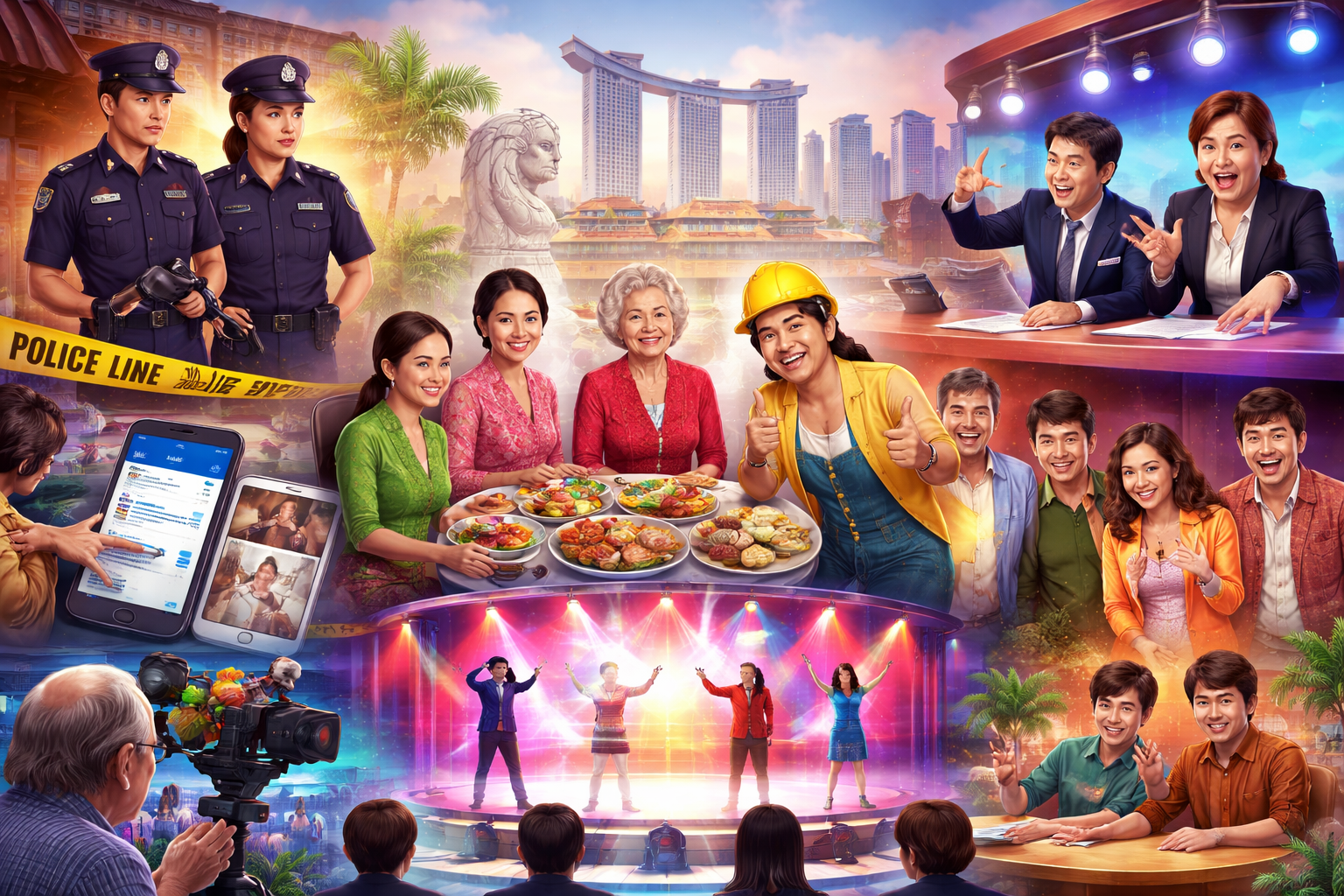
A clear example of long-term audience interest is Crimewatch. The show’s true-crime approach—based on real incidents—creates immediate tension, but its lasting appeal comes from its practical value. Episodes often reveal how crimes unfold step by step: what victims overlooked, how perpetrators built trust, and which decisions escalated risk. For viewers, it becomes a form of “street-smart education,” especially helpful in a world where scams increasingly arrive through phone calls, messages, and social media.
On the drama side, Singapore has produced titles that resonate strongly because they integrate culture into the core story rather than treating it as decoration. The Little Nyonya is widely recognized for dramatizing Peranakan heritage through a sweeping family saga. The series is rich in cultural detail—food traditions, language nuances, social rituals—yet the real hook is emotional: love constrained by reputation, ambition clashing with loyalty, and women navigating power within restrictive structures. It entertains while also encouraging viewers to reflect on identity and belonging.
Comedy has historically been one of Singapore TV’s strongest connectors across communities. Phua Chu Kang Pte Ltd became iconic by embracing local speech patterns and the unglamorous realities of daily life. The show thrives on character comedy: exaggerated bravado, family friction, and the comedic chaos of trying to keep up appearances. Its humor is easy to watch in groups, which helps it remain memorable—people quote lines, imitate mannerisms, and treat it as a shared cultural reference.
For a different comedic flavor, The Noose stands out as satire packaged as a mock news broadcast. By copying the style of real news reports—urgent music, confident anchors, dramatic graphics—it highlights how media can shape emotions and distort priorities. The program’s popularity comes from its dual function: it’s funny on the surface, and it also acts as commentary on how rumors, fear, and moral panics can spread quickly in a tightly networked society.
Singapore’s popularity charts also benefit from talent and variety formats that generate conversation beyond the screen. Star Search is a key example of how a competition can become a pipeline for the entertainment industry. Viewers don’t just judge performances; they invest in backstories, growth, and resilience under pressure. The show’s afterlife—where contestants move into acting, hosting, or music—extends audience attachment and keeps the franchise culturally relevant.
What makes these programs attention-grabbing is their ability to reflect Singapore back to itself. They use local language, familiar settings, and recognizable social pressures—while still delivering strong storytelling, humor, and suspense. Even as viewing habits shift toward on-demand platforms, the shows that endure are those that feel distinctly rooted in Singaporean life, turning everyday experiences into narratives people want to follow and talk about.