For visitors, Singapore’s festivals offer a unique opportunity to experience local fashion up close. Beyond sightseeing and sampling food, paying attention to what people wear—and even participating in the style energy yourself—can deepen your understanding of the city’s creative pulse. Festival fashion in Singapore is approachable, diverse, and filled with subtle cultural references that make it especially rewarding to explore.
The first thing to keep in mind is the climate. Singapore is warm and humid year-round, so festival outfits are built around comfort. Lightweight fabrics, breathable silhouettes, and good footwear are essential. Many local brands design specifically with this climate in mind, offering airy tops, wide-leg trousers, and dresses made from natural fibers. As a visitor, you can easily pick up a piece or two from local labels at pop-up stalls or independent boutiques to blend in and stay comfortable.
When choosing what to wear, think in terms of layers rather than heavy pieces. Air-conditioned indoor venues, outdoor stages, and late-night walks by the waterfront all feel different. Many festival-goers solve this by throwing a sheer overshirt, kimono-inspired cover-up, or light utility jacket over a simple base outfit. These layering pieces are popular items among Singaporean designers and often come in interesting prints or textured fabrics.
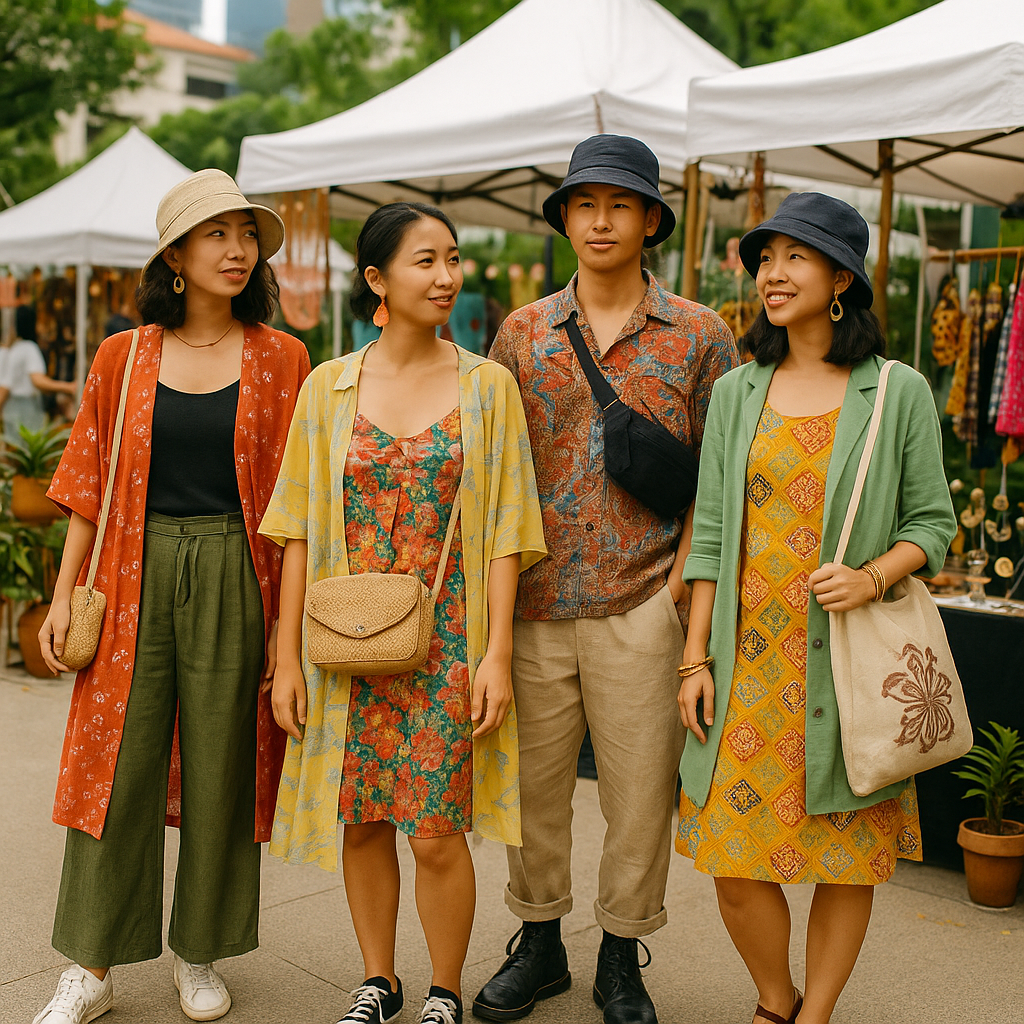
To truly tap into festival fashion, take time to explore markets and pop-up fairs that typically accompany major events. These areas are where local creativity shines:
- Independent fashion labels selling limited-run clothing
- Accessory makers offering jewelry, bags, and headwear
- Thrift and vintage stalls with curated pre-loved pieces
- Artisan booths featuring hand-dyed, hand-painted, or hand-embroidered items
Shopping in these spaces lets you meet designers face to face, hear the stories behind their collections, and support small businesses directly.
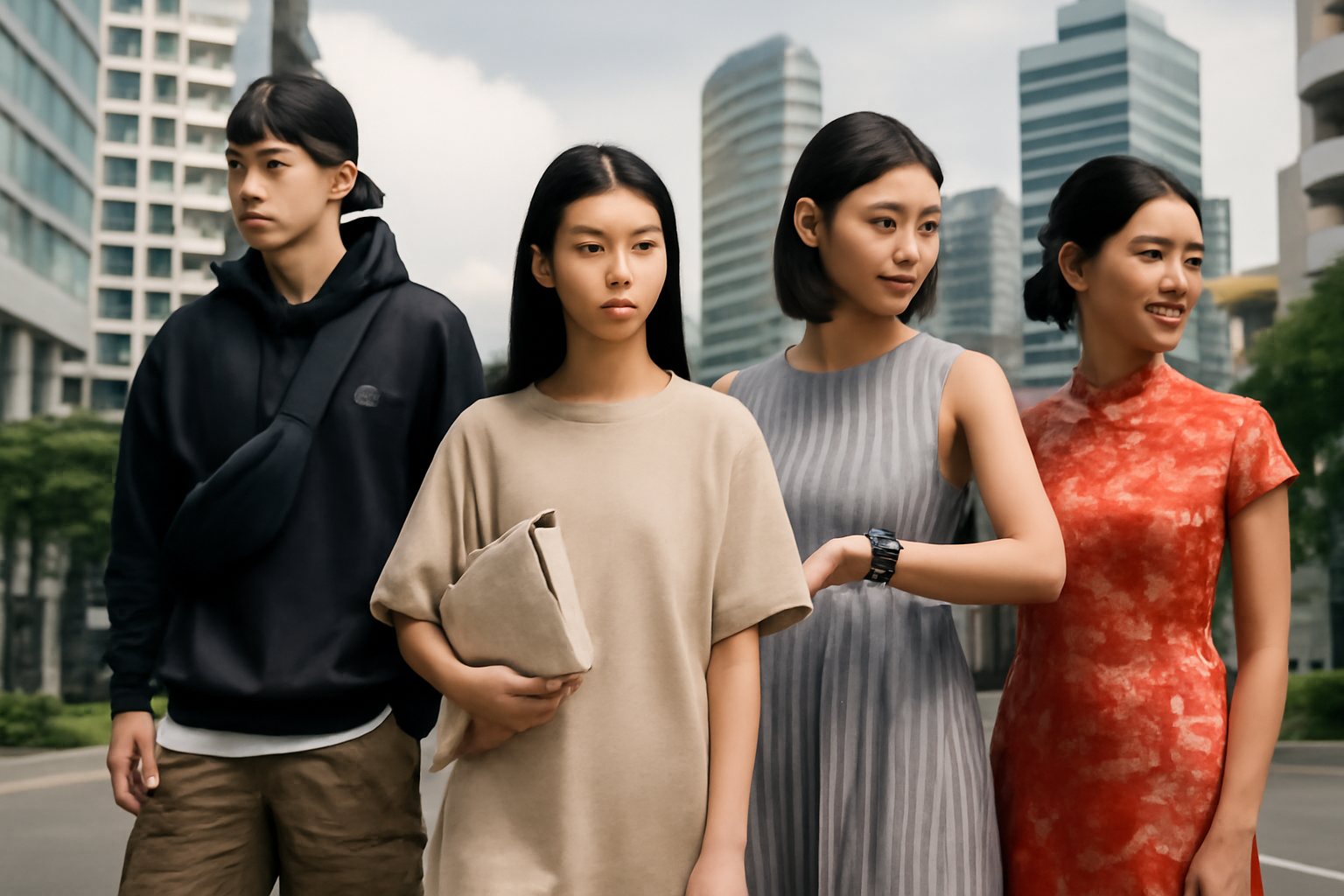
As you move through festival grounds, observe how locals combine elements. You might notice a common pattern: a simple base (T-shirt and shorts, a slip dress, or a jumpsuit) elevated with standout accessories. Statement earrings, layered necklaces, bucket hats, and crossbody bags made by local creators often turn otherwise minimal outfits into memorable looks. Footwear leans practical—sneakers, sandals, and boots sturdy enough for standing and walking—but there is no shortage of color and personal flair.
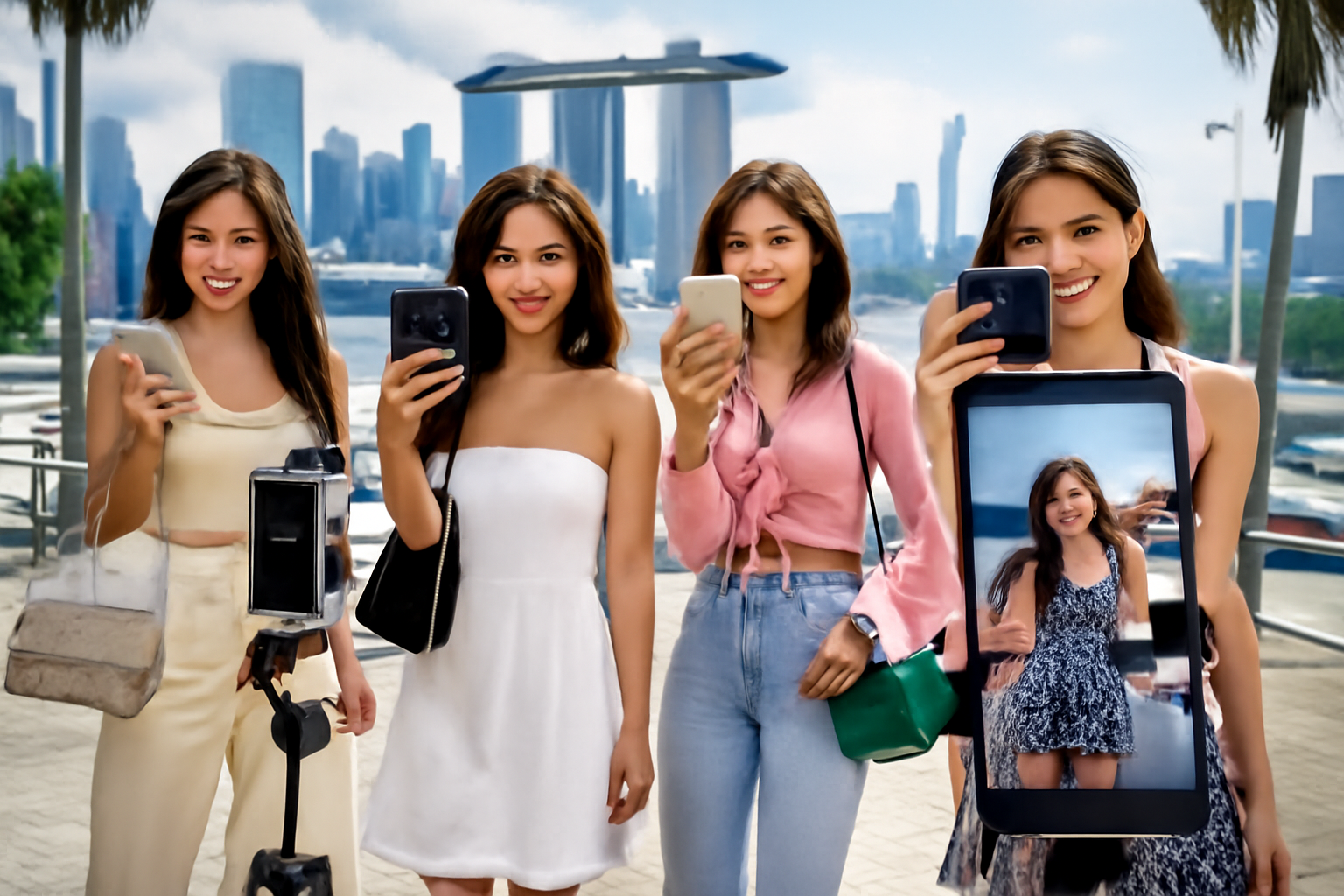
Photography is an important part of the experience. Many festivals in Singapore feature art installations, murals, or light projections that double as popular photo backdrops. Visitors often join locals in capturing “outfit shots” at these spots. This is a great chance to notice different styling approaches: subtle nods to heritage, playful use of color, or clever mixing of streetwear and tailored pieces. If you are wearing something from a local brand, tagging them on social media contributes to the ecosystem and helps their work reach a wider audience.
If you are curious about cultural aspects, look for garments and accessories with traditional influences. Prints inspired by batik, Peranakan tiles, or calligraphy can appear in very modern forms—on bomber jackets, tote bags, or sneakers. When possible, ask the designer or vendor about the meaning behind the patterns; many are happy to share, and these conversations can be as memorable as the items themselves.
Finally, many Singapore festivals promote sustainability and conscious consumption. You might encounter clothing swaps, recycling initiatives, or upcycling workshops where attendees can customize garments. Participating in these activities offers insight into how the local fashion community balances creativity with responsibility.
Engaging with festival fashion as a visitor is not about perfectly mimicking local style, but about joining the spirit of experimentation, respect, and openness that characterizes Singapore’s creative scene. By noticing details, supporting homegrown labels, and wearing pieces that tell a story, you become part of the tapestry that makes the city’s festivals visually and culturally rich.