The performing arts in Singapore have been shaped by the nation’s rich cultural tapestry, where traditional dance forms coexist alongside bold contemporary innovations. This blend of old and new has made Singapore a cultural hotspot in Southeast Asia, where visitors and locals alike can experience the country’s evolution through dance.
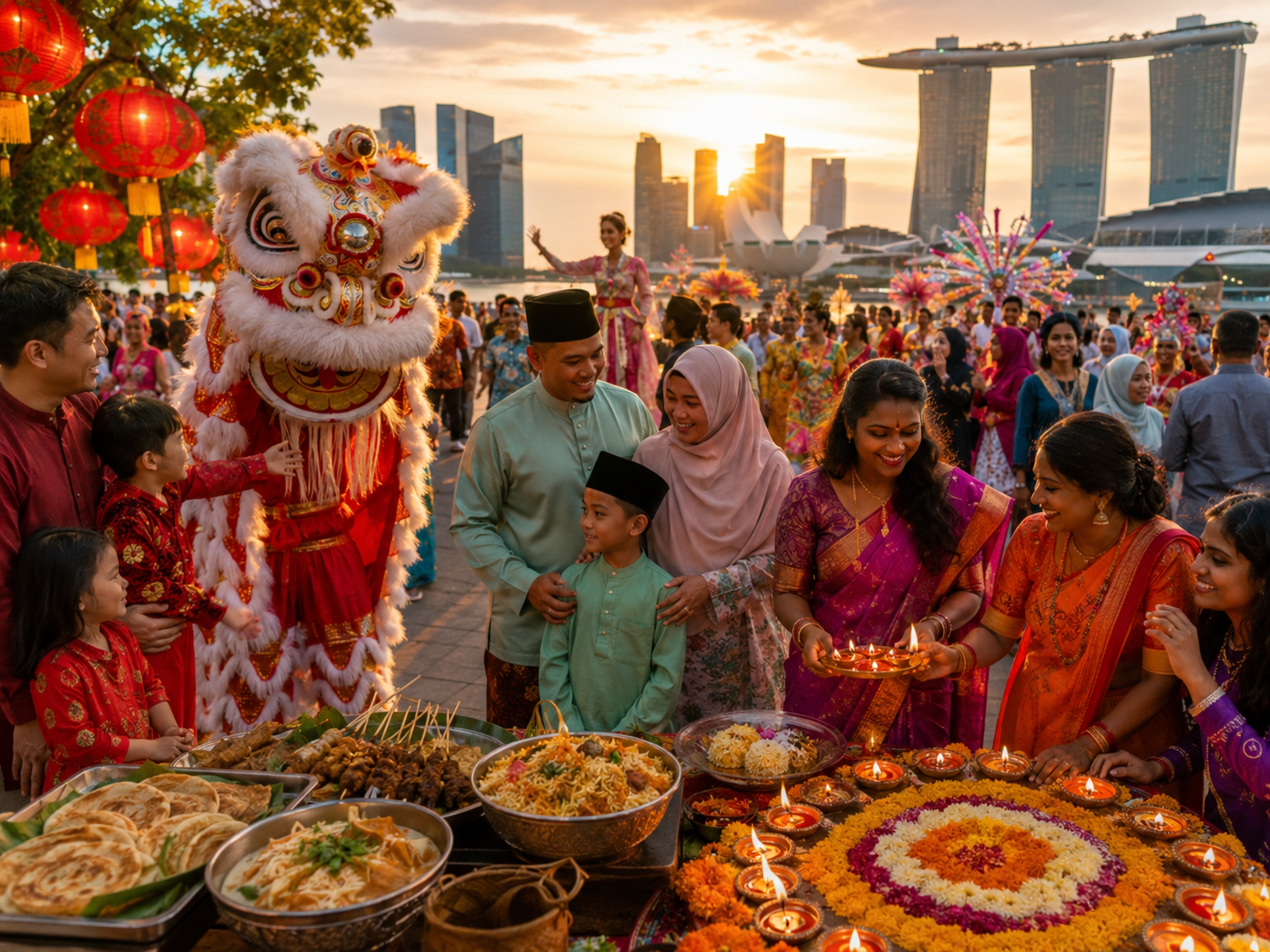
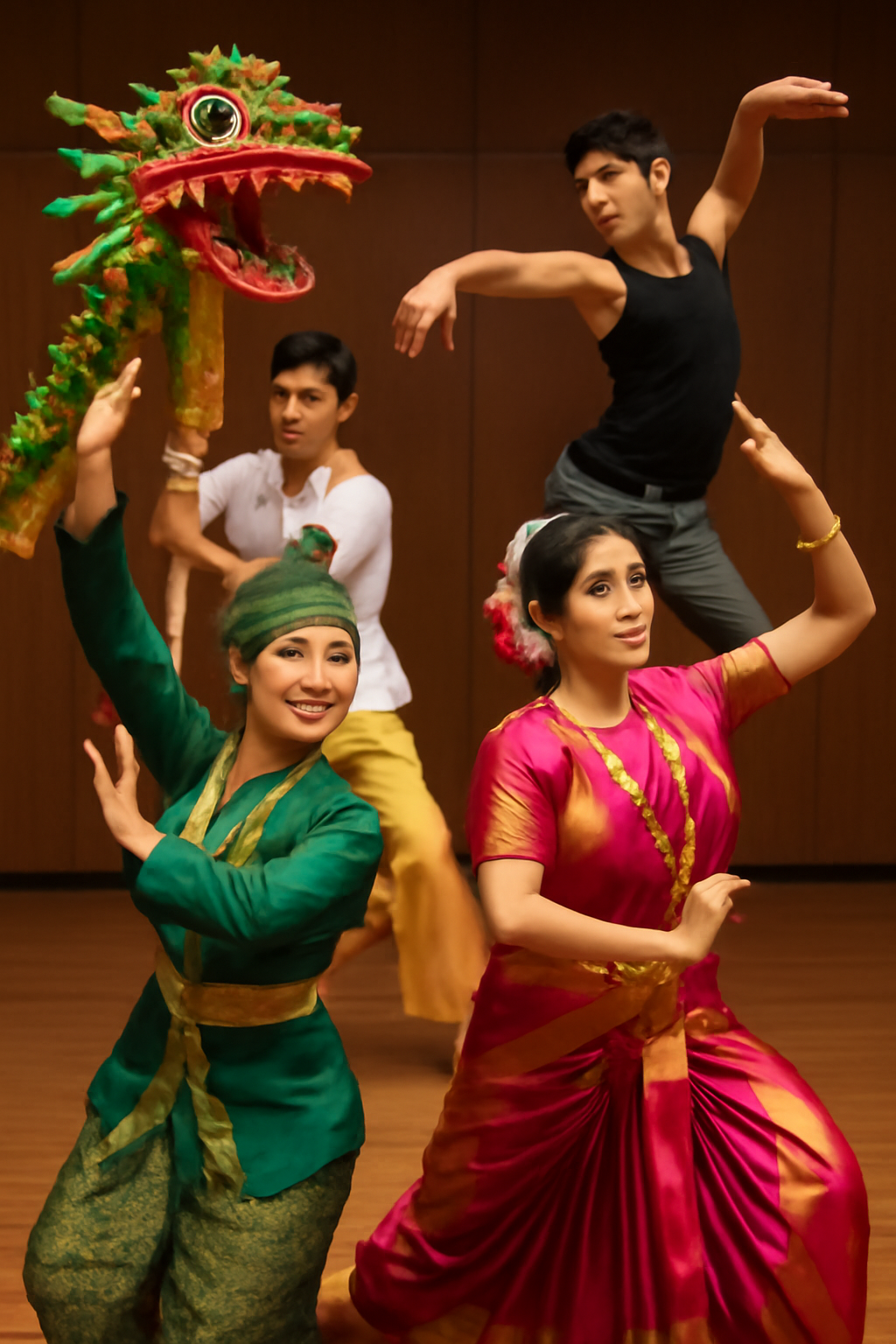
Traditional dance in Singapore is a vibrant expression of the country’s diverse ethnic communities, each with its own distinct customs and stories. The Malay community, for instance, performs dances like the “Tari Zapin” and “Tari Joget” during festive occasions and cultural celebrations. These dances, characterized by swift footwork and graceful movements, are often accompanied by traditional music such as the “gamelan” or “kompang.”
In the Chinese community, traditional dances are an important part of festive rituals. The “Dragon Dance,” for instance, is a popular performance during Chinese New Year, symbolizing strength, good luck, and prosperity. Additionally, Chinese opera-inspired dances are a significant element of Singapore’s artistic heritage, offering a glimpse into centuries-old Chinese culture through movements and dramatic portrayals.
Indian classical dance forms such as Bharatanatyam, Kathak, and Mohiniyattam continue to be practiced in Singapore, with performances often held in temples, cultural centers, and during festivals. These dances are known for their highly structured techniques and spiritual focus, with elaborate hand gestures, facial expressions, and intricate footwork telling stories from Indian mythology.
While traditional dances continue to play an important role in the cultural fabric of Singapore, contemporary dance has emerged as a significant force in the nation’s performing arts scene. Contemporary dance in Singapore is not just about movement but also about experimentation and storytelling. Dance companies like T.H.E Dance Company and the Singapore Dance Theatre are pushing the boundaries of the form by integrating multimedia elements and exploring themes that speak to modern life in an urban, globalized world.
The future of dance in Singapore lies in the ability of artists to blend the best aspects of traditional cultural expressions with the creative potential of contemporary forms. This fusion is what makes the performing arts scene in Singapore not only unique but also continuously relevant and engaging for audiences worldwide.