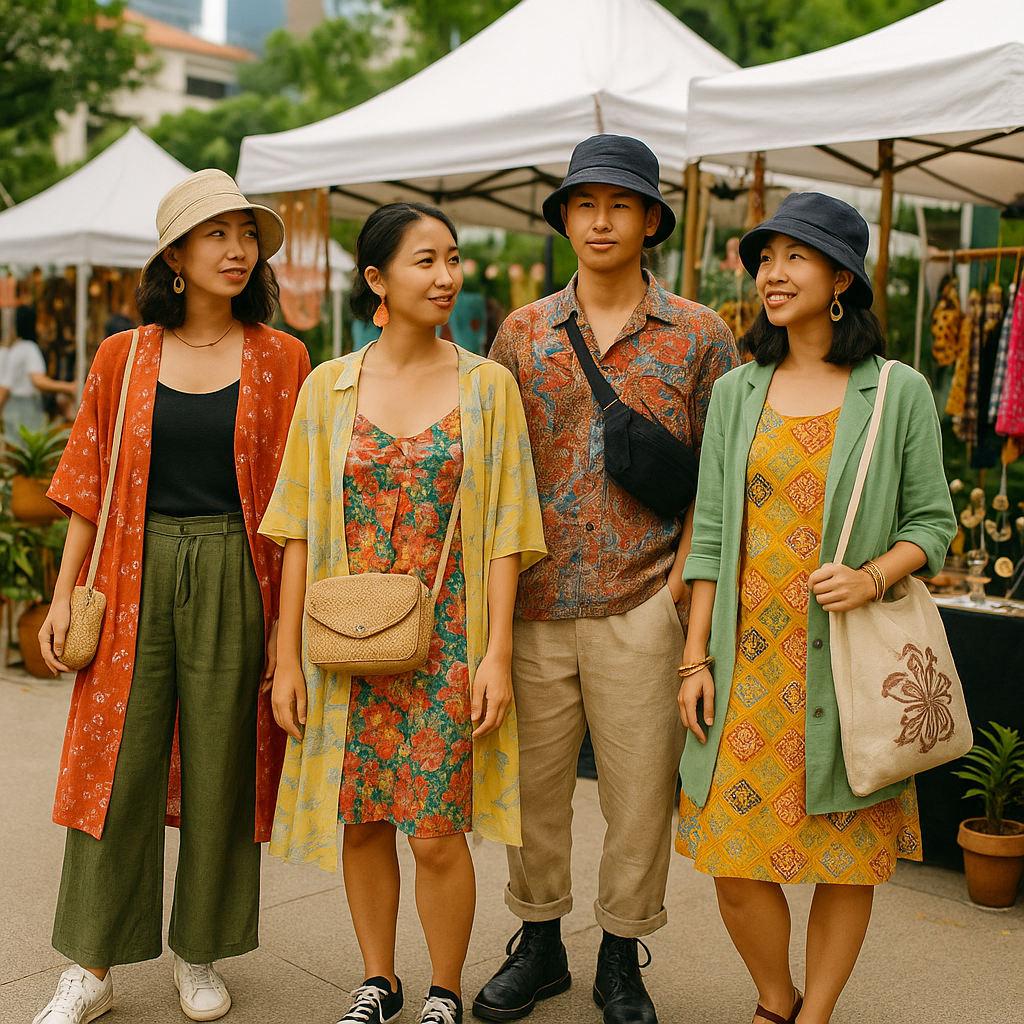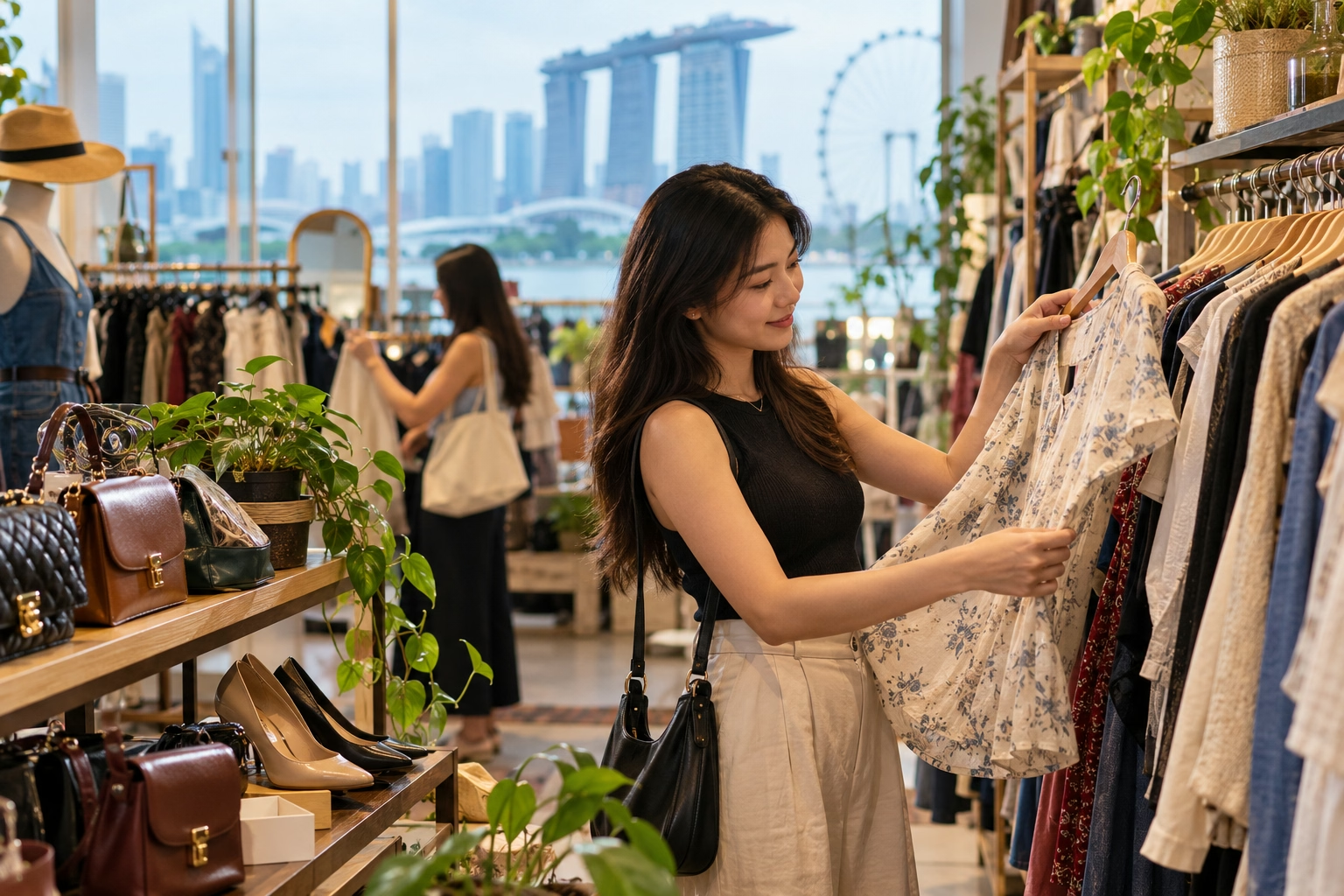
Singapore’s fashion habits are changing from the wardrobe outward. In 2026, resale is becoming a structured part of how people buy, sell and dispose of clothing. The change is visible in app activity, weekend consignment drops and luxury resale listings, but it is also reflected in how consumers talk about value. Second-hand style is increasingly framed as smart, not second-best.
Resale as everyday infrastructure
The most important development is normalisation. Resale no longer requires a specialist mindset. Consumers can list items on general marketplaces, drop bags at consignment stores or buy authenticated luxury through curated platforms. Each channel serves a different need: speed, price, curation or assurance. As these channels mature, resale becomes infrastructure rather than an experiment. That matters because habitual behaviour, not one-off decluttering, sustains the market.
Circular economy meets consumer caution
Singapore’s policy direction reinforces circular consumption. The Singapore Green Plan 2030 sets out sustainable-living and circular-economy ambitions that give context to resale and repair initiatives: https://www.greenplan.gov.sg/. At the same time, consumers remain cautious. They want proof of condition, fair pricing and clear returns. The resale businesses that succeed are those that treat trust as an operational discipline, not a marketing slogan.
Luxury resale and the authentication economy
Luxury resale has become a visible segment in Singapore. Authenticated preloved handbags and watches appeal to buyers who want access to premium labels without full retail pricing. But authentication is only one layer. Buyers also care about provenance, receipts, packaging and after-sales support. In 2026, specialist platforms and local consigners are investing in these signals to differentiate themselves from informal sellers. The result is a more professional market, though higher service costs can push some affordable fashion toward open marketplaces.
The Gen Z effect
Younger shoppers are central to the shift. They are comfortable buying and selling online, and many treat resale as part of a broader values set: fewer impulsive purchases, more style experimentation and greater attention to garment life. Yet they are also price-sensitive. If resale is seen as expensive or inconvenient, they may choose new fast fashion. The market’s task is to keep preloved fashion accessible while improving reliability.
What changes next
The next stage will likely bring more brand participation, stronger authentication standards and better integration between resale and repair. Physical touchpoints—drop-offs, pop-ups and inspection counters—will continue to matter in a trust-sensitive market. Singapore’s resale growth is therefore not just a consumer trend; it is a test of whether circular fashion can become convenient, credible and commercially durable.