In a fashion industry shifting toward sustainability, clarity, and cross-cultural literacy, Singaporean designers are unusually well positioned. Their work tends to be calm rather than noisy, structured without stiffness, and rooted in narratives that feel lived-in. That combination travels across continents and platforms—from editorial stories to e-commerce thumbnails.
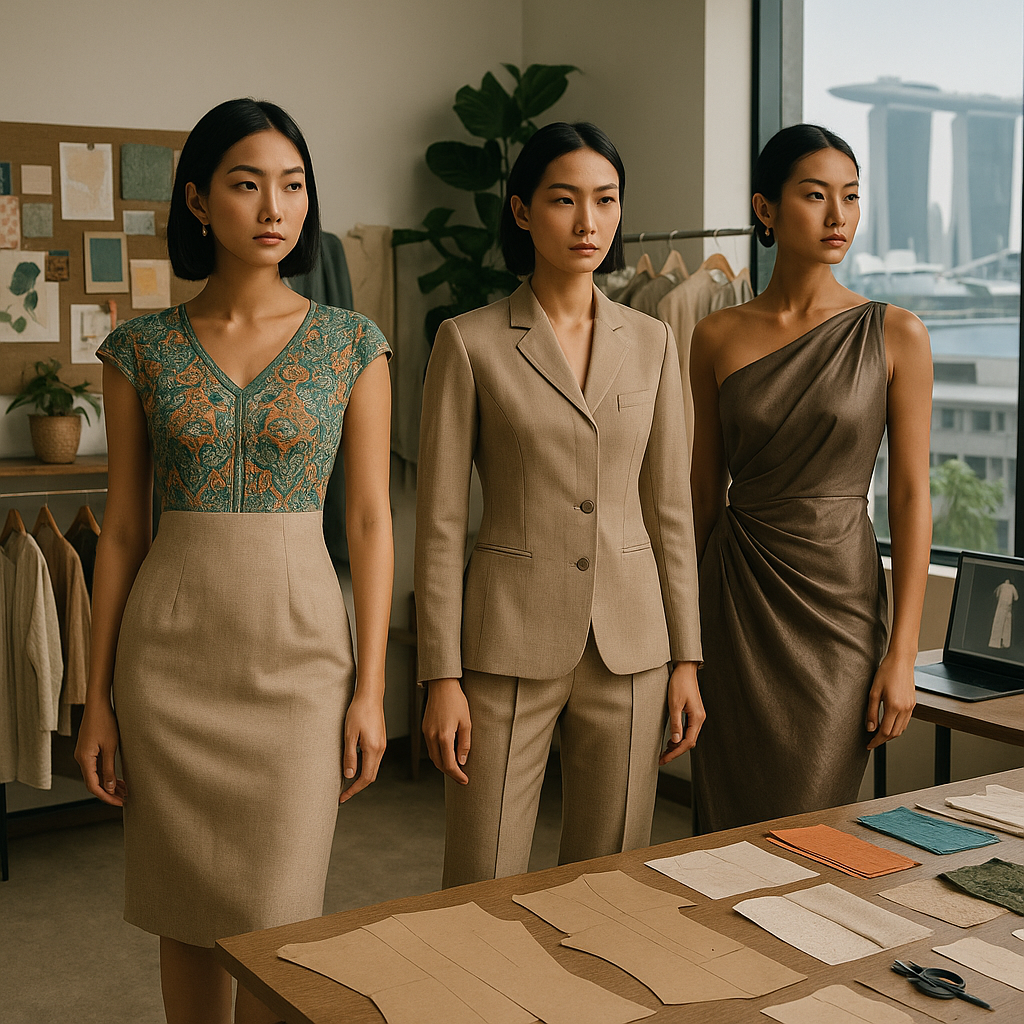
The creative palette is cosmopolitan. Designers distill Southeast Asian references into contemporary grammar: cheongsam darts reimagined in soft suiting, kebaya-inspired necklines in day dresses, Peranakan colors tempered by modern neutrals. Andrew Gn shows how couture embellishment can feel modern; Ashley Isham demonstrates how drape and shine can be sculpted with discipline; Ong Shunmugam and Lai Chan keep heritage tactile and current. The result is a set of signatures that buyers can recognize season after season.
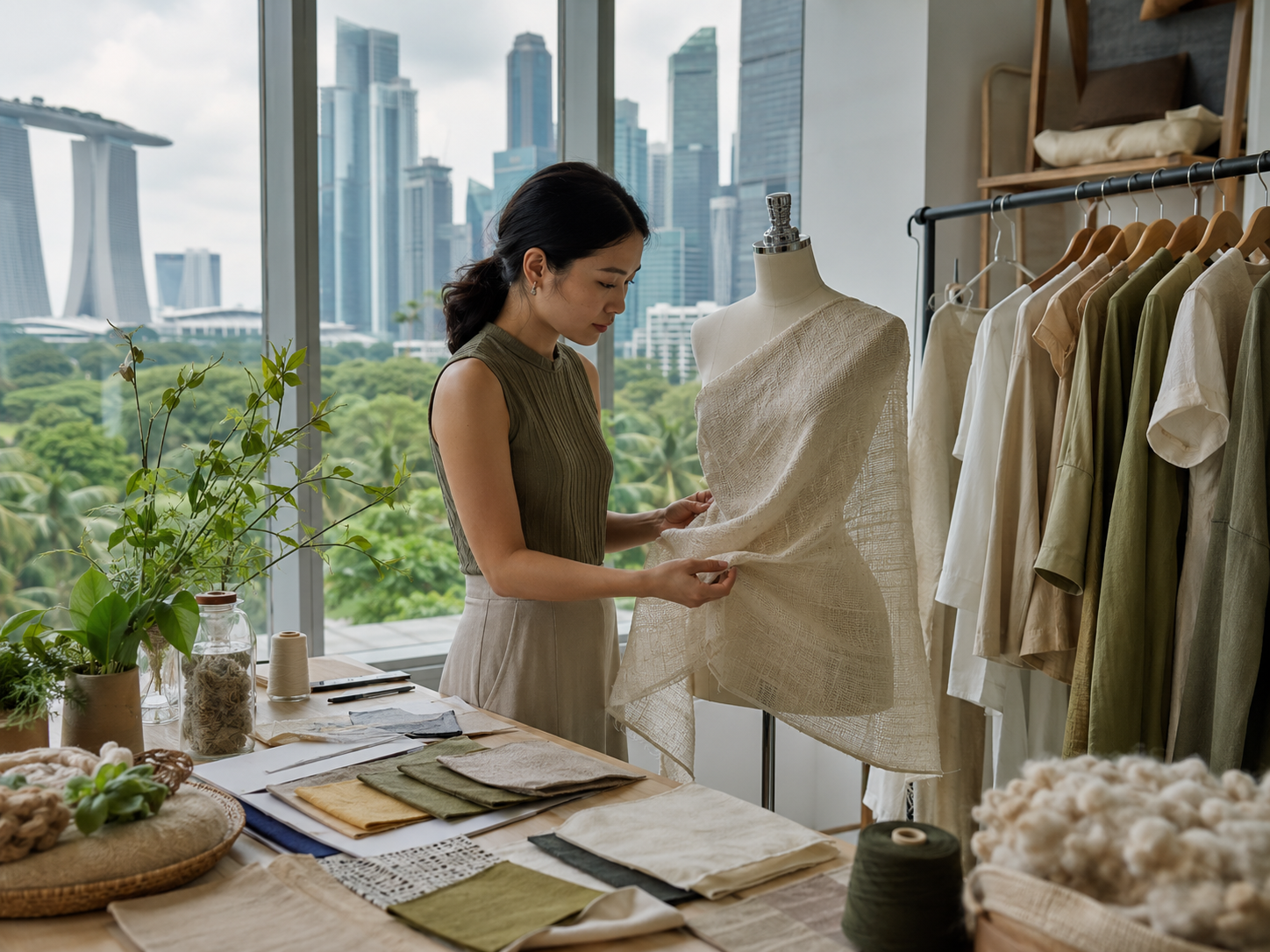
The operating model is equally modern. Education pipelines emphasize both artistry and business, while incubators, councils, and spaces like Design Orchard knit together mentorship, retail testing, and export readiness. Digital prototyping and small-batch runs reduce waste and improve margins. Regional production partnerships—Indonesia, Vietnam, Thailand, Malaysia—supply craft and capacity, with quality control anchored in Singapore’s process culture.
Global expansion is methodical. Instead of chasing costly flagship stores, labels prioritize wholesale relationships, showroom slots during Paris or London market weeks, and capsules for cultural institutions. Accessories and shoes help build brand ubiquity; apparel establishes voice. Stylists and costume departments serve as amplifiers, placing Singaporean pieces on red carpets and screens where silhouettes must read instantly.
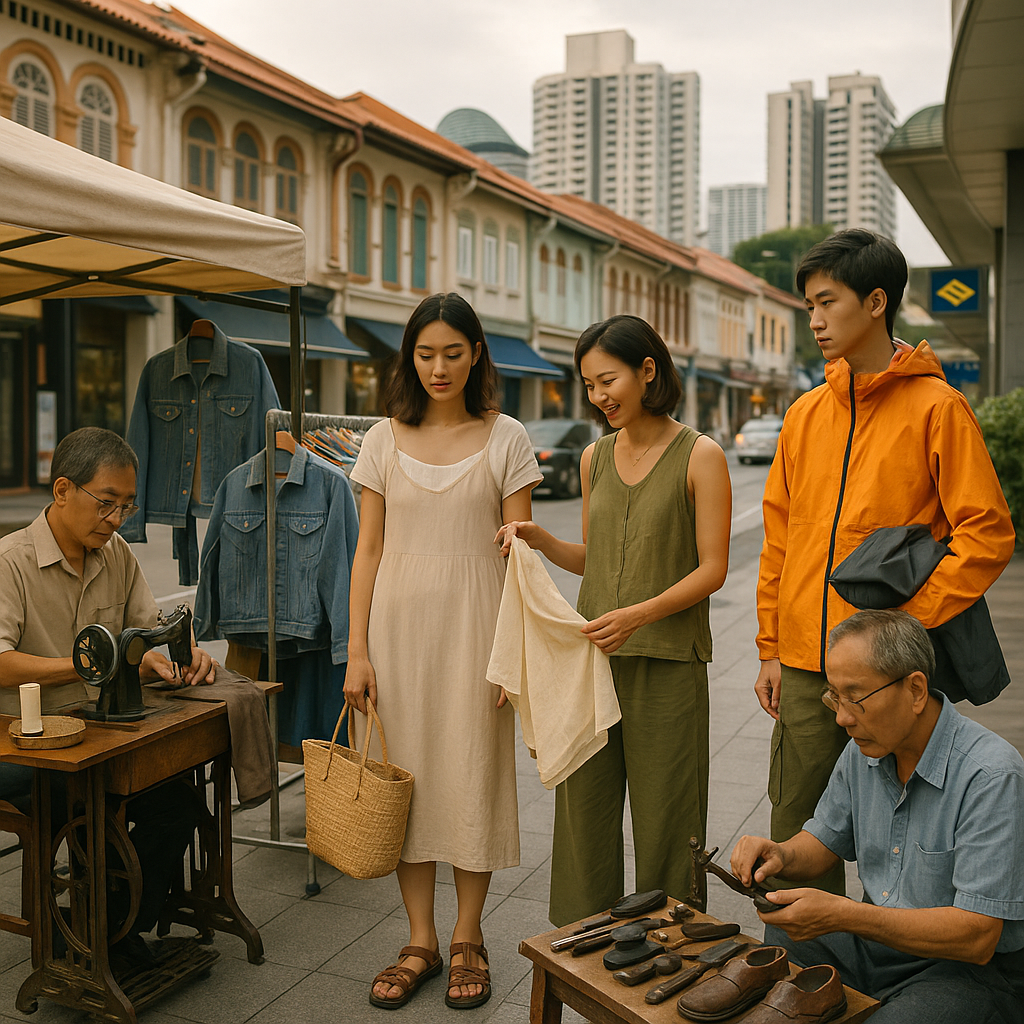
Sustainability is integrated rather than performative. Many brands adopt pre-order and made-to-order, leverage deadstock, or use modular design that invites alteration and repair. Fit is treated as a sustainability issue too: better technical blocks reduce returns, extend wear, and win repeat customers. The climate reality of the tropics has also bred expertise in breathable, wrinkle-minimizing fabrics that work for travelers and professionals globally.
Constraints create focus. The small domestic market forces designers to define a customer sharply and defend their margins. High costs incentivize fabric continuity and seasonless capsules, turning “evergreen” styles into profit engines. Limited manufacturing at home has pushed Singaporean studios to master vendor communication and IP protection across borders—skills that, once learned, become durable advantages.
What’s emerging is a credible alternative to hype cycles: refined clothes with cultural memory, produced with care, delivered through smart logistics, and narrated with honesty. As retailers and consumers gravitate toward brands that can articulate why they exist—and prove it in the cut, the lining, the durability—Singaporean designers provide a compelling answer. Their role in international fashion is not an outlier anymore; it’s a model for how small, thoughtful studios can shape the global conversation.