Online shopping has changed how travelers buy fashion, electronics, cosmetics, and gifts. Products can be compared in seconds, delivered internationally, and reviewed before a visitor arrives in Singapore.
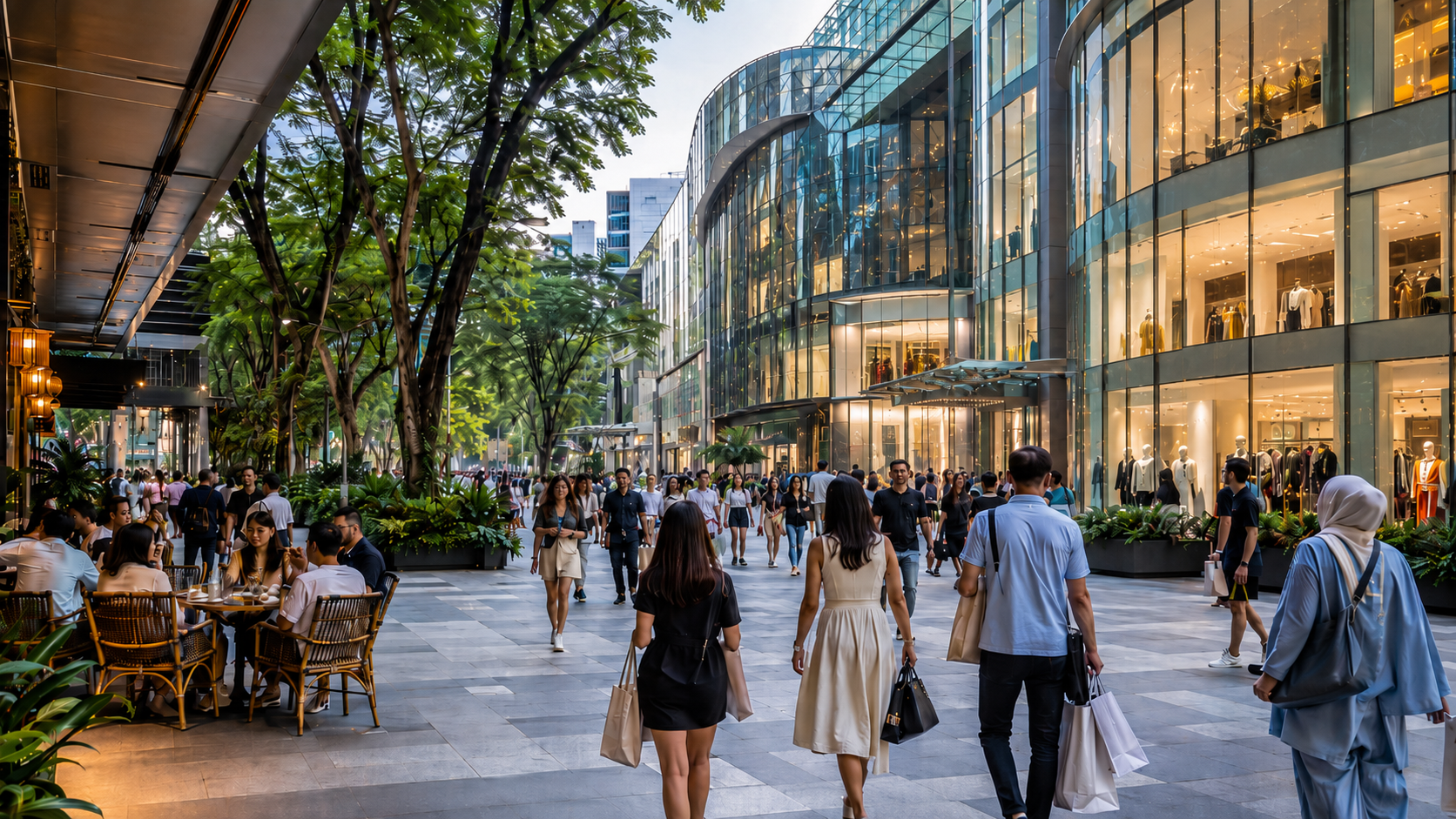
Yet Orchard Road continues to matter because it offers something digital platforms cannot fully reproduce: a concentrated physical experience involving architecture, customer service, product testing, dining, entertainment, and social interaction.
For 2026 visitors, the district is best understood not simply as a place to purchase goods, but as a case study in how major shopping destinations remain relevant in an increasingly digital economy.
Physical Retail Offers Immediate Experience
A customer buying perfume online cannot smell it through a screen. Someone choosing shoes cannot confirm the fit, and a traveler purchasing luxury goods may want to inspect craftsmanship before paying.
Orchard Road’s major malls allow shoppers to test, compare, and experience products directly. Beauty counters provide product demonstrations, fashion stores offer fitting rooms, and electronics retailers allow customers to examine devices before making decisions.
This physical interaction is especially valuable for expensive or personal purchases where convenience alone is not enough.
Flagship Malls Create Different Identities
The strength of Orchard Road comes from the fact that its malls are not identical.
ION Orchard presents a highly visible combination of luxury retail, dining, and direct MRT access. Ngee Ann City and Takashimaya provide the scale of a major department-store experience. Paragon appeals to premium shoppers, while 313@Somerset offers a younger and more casual retail mix.
Orchard Central distinguishes itself through vertical architecture, lifestyle venues, and dining. Plaza Singapura, closer to Dhoby Ghaut, serves visitors looking for a broader mix of mainstream shopping, entertainment, and practical services.
These different identities allow travelers to choose malls according to purpose rather than visiting every building.
Local Brands Add a Sense of Place
One of the central challenges facing international retail districts is sameness. When the same global labels appear in every major city, travelers may struggle to find products that represent the destination.
Design Orchard creates a more locally connected experience by showcasing Singaporean designers and creative businesses. It gives local labels visibility within the country’s best-known shopping corridor and gives tourists an opportunity to purchase something distinctively associated with Singapore.
For destination marketing, this local element is important. A retail district becomes more memorable when it presents the city’s own creative identity alongside international brands.
Travelers researching retail districts, attractions, and local experiences can consult the official Singapore Tourism Board website. Current opening hours, events, promotions, and tenant information should also be confirmed directly with individual malls.
Dining and Entertainment Extend Visitor Time
Modern malls compete not only through products but also through the amount of time people are willing to spend inside them. Restaurants, cafés, cinemas, beauty services, exhibitions, and seasonal displays turn a shopping trip into a half-day or full-day activity.
This model is visible throughout Orchard Road. A visitor can browse fashion in the morning, have lunch without leaving the mall, discover local products in the afternoon, and meet friends for dinner in the evening.
The district’s hotels and transport connections further support this pattern by making it easy to combine shopping with other activities.
Convenience Remains a Competitive Advantage
Orchard Road is centrally located and connected by Singapore’s public-transport network. Orchard, Somerset, and Dhoby Ghaut MRT stations provide access to different sections of the district.
Air-conditioned interiors, covered connections, nearby accommodation, and a dense concentration of retailers make comparison shopping relatively efficient. In a single day, a traveler can examine luxury products, mainstream fashion, local design, beauty items, food gifts, and lifestyle goods.
That convenience helps explain why physical retail continues to attract visitors even when many products are available online.
Orchard Road’s relevance in 2026 rests on its ability to combine global recognition with local creativity. Its future is unlikely to depend only on how many products it sells. The more important measure is whether the district gives visitors an experience worth leaving their screens to discover.