A Modern Theatre Capital Is Built as an Ecosystem
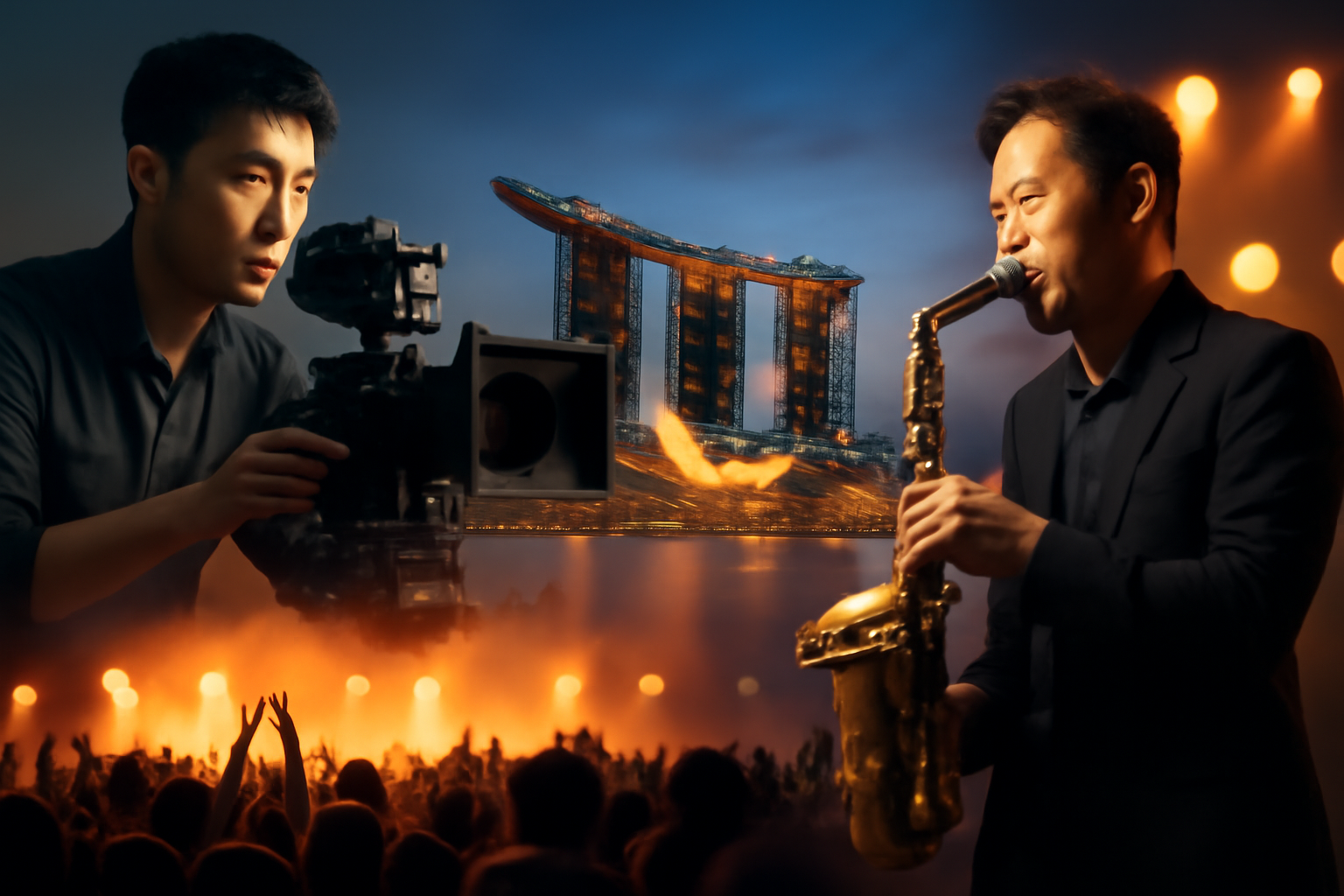
Singapore’s theatre scene in 2026 cannot be explained by one successful production or famous venue. Its strength comes from the connections between artists, theatre companies, major institutions, festivals and audiences.
This network allows different kinds of work to exist at the same time. International productions can bring scale and visibility. Local companies can develop stories that reflect Singaporean experiences. Festivals can introduce new artistic methods and encourage collaboration across borders.
The result is a theatre culture that reflects Singapore’s broader identity: internationally connected but continually negotiating what local identity means.
Institutions Provide Structure, Artists Provide Character
Professional infrastructure is essential for theatre. Companies need performance spaces, technical teams, rehearsal time and access to audiences. Yet infrastructure alone cannot create a distinctive cultural scene.
Theatre becomes memorable when artists give that structure a point of view.
For broader information about Singapore’s arts environment, cultural initiatives and sector resources, the official National Arts Council Singapore website is an important reference point. Current announcements and programmes should always be checked directly, especially when preparing content tied specifically to 2026.
Homegrown Theatre Turns the City Into Dramatic Material
Local writers and performers can draw on situations that outsiders may overlook. A conversation at home, a conflict between generations or an argument about language can become a way to explore larger questions.
This ability to transform familiar experience into drama is central to a mature theatre culture. It also gives international audiences a richer perspective on Singapore.
Rather than presenting the city only through its most marketable images, theatre can show uncertainty, contradiction and disagreement. These elements make a place feel human.
Festivals Expand the Definition of Performance
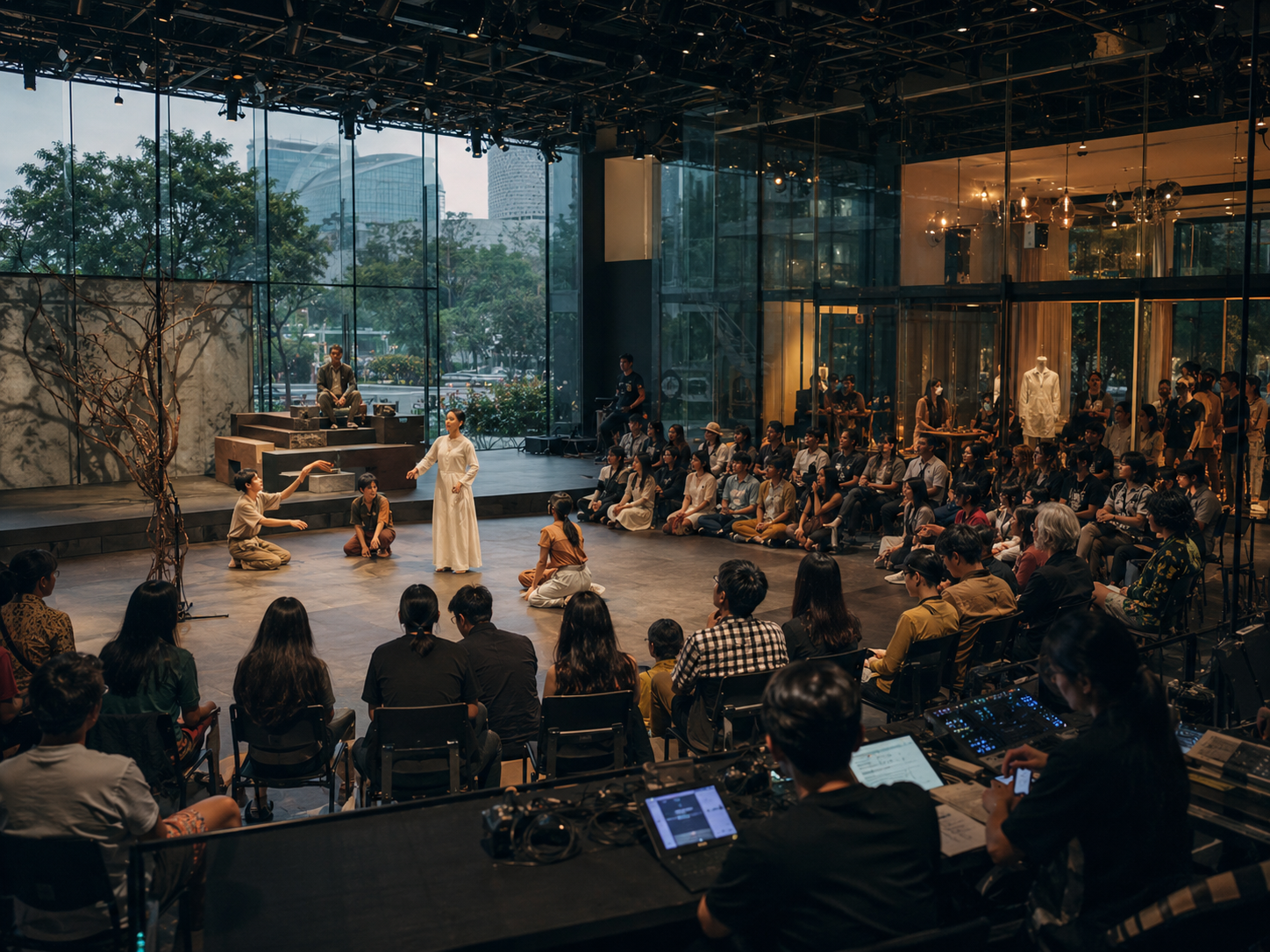
The modern stage is no longer limited to actors delivering dialogue inside a conventional theatre. Contemporary performance may include movement, projections, documentary material, recorded sound and interactive elements.
Festivals often create room for this experimentation. They can connect artists from different disciplines and introduce audiences to work that may not fit neatly into commercial categories.
For Singapore, such exchange has particular significance. The city’s position in Southeast Asia and its international connections allow artistic conversations to move across cultures. The strongest collaborations do more than place artists from different countries together; they create genuine exchanges of method, history and perspective.
Audiences Are Part of the Cultural Infrastructure
A theatre scene also depends on the people willing to enter the room. Audiences create demand, support artistic risk and contribute to the atmosphere of each performance.
In 2026, discovering theatre may begin through a search engine, social platform or recommendation. Yet the final experience remains physical. People still gather in one place to watch a story unfold without knowing exactly how the room will respond.
This is a powerful contrast in an increasingly personalised digital environment. Theatre requires shared attention.
What Makes Singapore’s Stage Worth Following
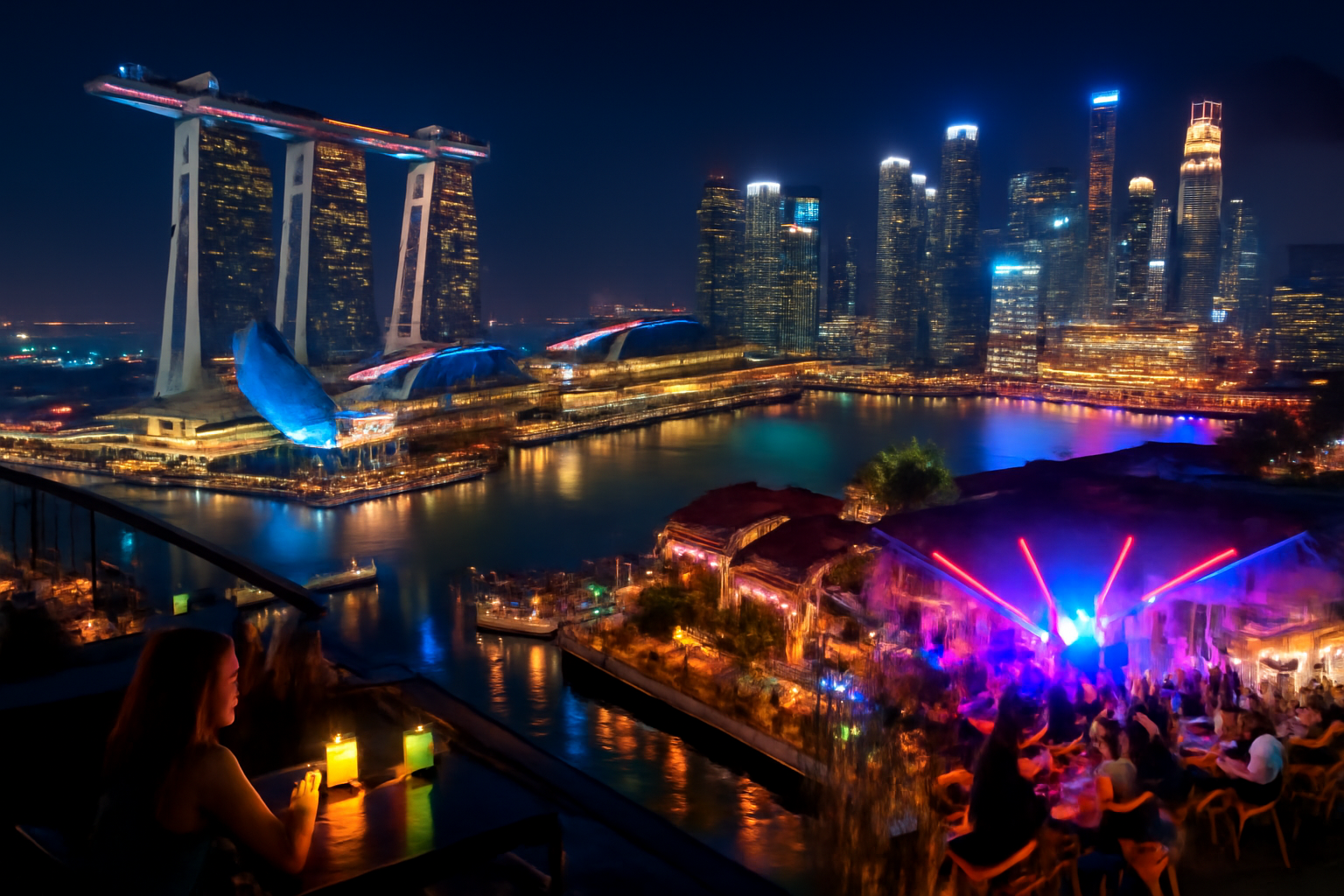
Singapore does not need to imitate London, New York or any other established theatre centre to justify its importance. Its most interesting quality is its own mixture of influences.
A modern city, a multilingual society, strong regional connections and an international audience create unusually rich dramatic possibilities. Large venues provide reach. Independent artists provide experimentation. Local stories provide identity.
Seen together, these elements make Singapore theatre more than an entertainment option. It is a living forum in which artists and audiences can examine how the city has changed, what it values and what questions remain unresolved.
For readers and travellers in 2026, the most revealing approach is to look beyond the biggest production. The wider ecosystem tells the deeper story of Singapore’s stage.