Singapore’s Sustainable Tourism Story Is Becoming More Practical
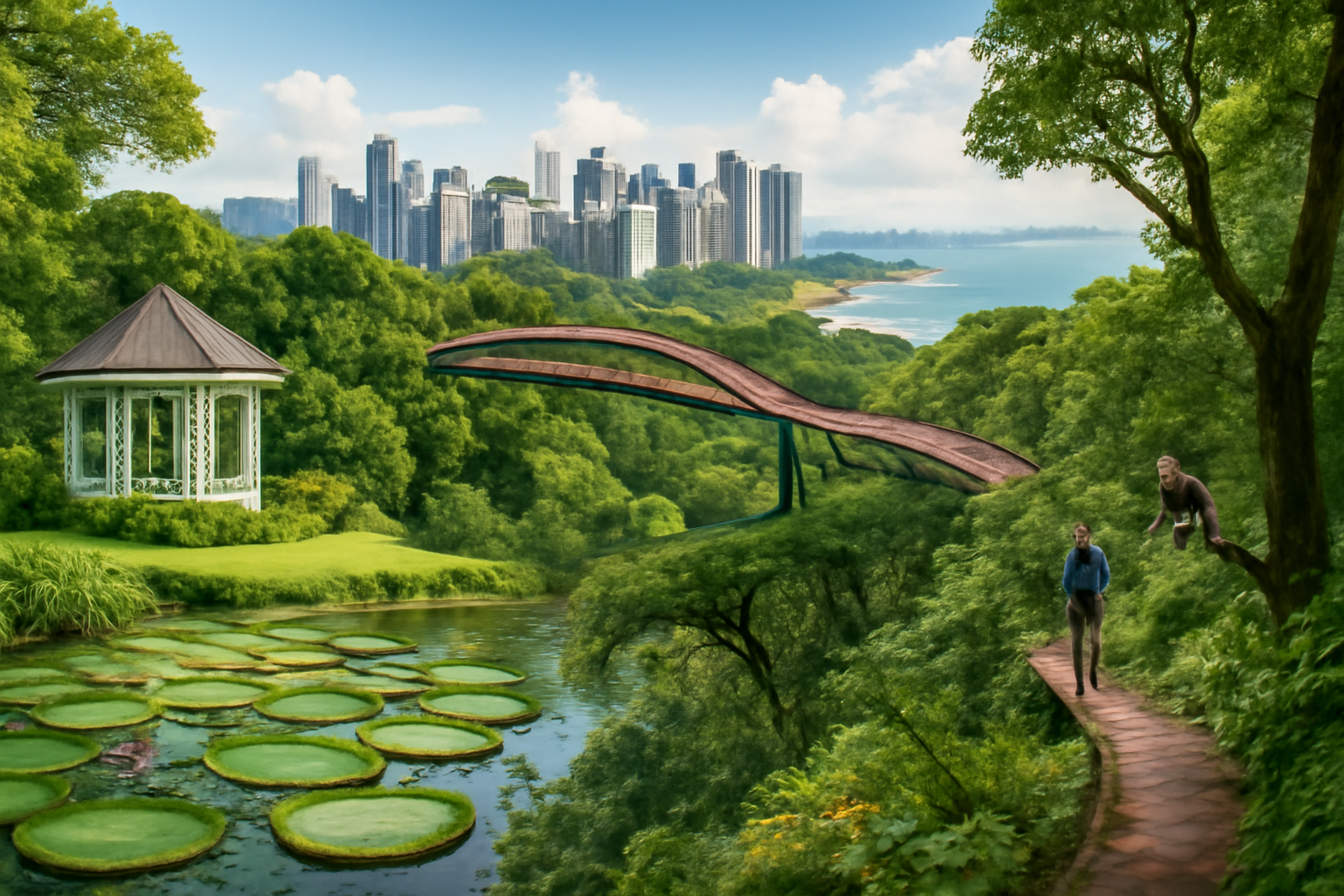
For many travelers, sustainable tourism can sound abstract. In Singapore, however, it is becoming visible and practical. Visitors can ride efficient public transport, walk through restored green corridors, visit protected wetlands, and learn about conservation inside major attractions.
The official Singapore Green Plan 2030 gives this movement a national foundation. Its focus on greener living, sustainable development, and a “City in Nature” approach helps shape how Singapore presents itself to residents and international visitors.
Gardens by the Bay: The Gateway to Green Singapore
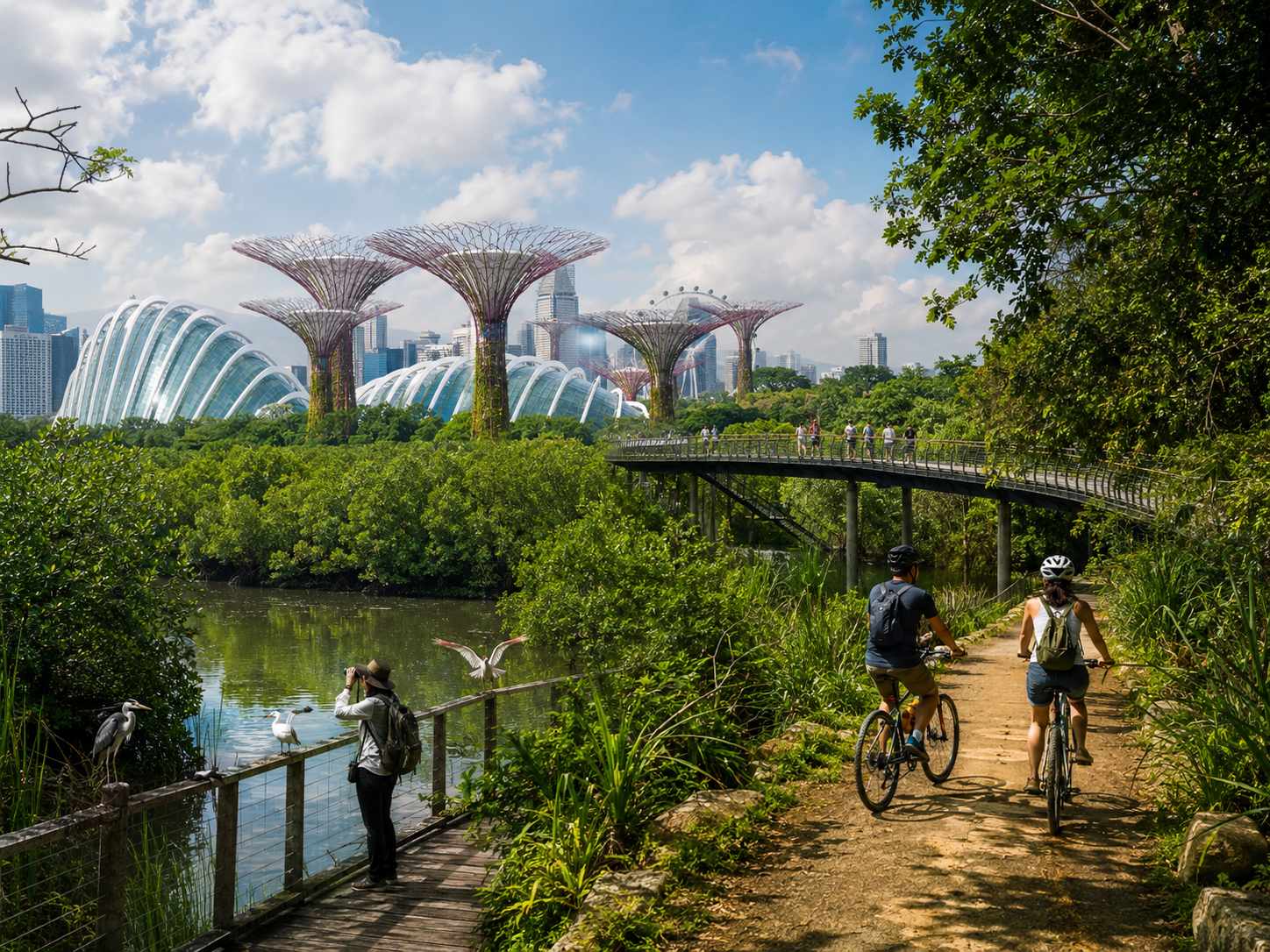
Gardens by the Bay is often the first eco-themed attraction visitors encounter. Its Supertree Grove, conservatories, and waterfront gardens combine entertainment with environmental education. While many tourists come for the views, the site also introduces important ideas about plant diversity, climate zones, and urban greening.
How to Make the Visit More Meaningful
Instead of treating Gardens by the Bay as a quick photo location, travelers should allow enough time to understand the displays and outdoor landscapes. Visiting during less crowded hours can also create a calmer experience and reduce pressure on popular areas.
Sungei Buloh: A Reminder That Nature Needs Space
Sungei Buloh Wetland Reserve offers a quieter but equally important experience. Its mangroves and mudflats support wildlife that depends on healthy coastal ecosystems. For visitors used to Singapore’s polished city center, the reserve provides a valuable reminder that the country also has wild, delicate environments.
Responsible behavior matters here. Tourists should avoid loud music, never feed animals, and keep to designated boardwalks. These small actions help protect the habitat while preserving the quality of the visit for others.
Pulau Ubin: Low-Impact Tourism With Local Character
Pulau Ubin is one of Singapore’s strongest examples of slow travel. The island’s cycling paths, village atmosphere, and access to Chek Jawa Wetlands create an experience that feels far removed from the city’s commercial districts.
A Real 2026 Travel Lesson
As destinations around the world struggle with overcrowding, Pulau Ubin shows the value of restraint. Its charm depends on limited development, natural scenery, and local texture. Visitors should support this by traveling lightly, respecting residents, and avoiding activities that disturb wildlife or damage trails.
Rail Corridor and Southern Ridges: Sustainable Movement Through the City
Responsible travel is not only about where tourists go; it is also about how they move. The Rail Corridor and Southern Ridges make walking a rewarding part of the itinerary. These routes connect greenery, history, and city views without requiring a car-heavy travel style.
Singapore’s compact size makes this especially effective. A visitor can combine public transport, walking trails, and neighborhood stops in a single day. This creates a richer trip while lowering environmental impact.
Why Singapore Works for Eco-Conscious Visitors
Singapore’s advantage is convenience. Many sustainable attractions are clean, safe, and easy to reach. That accessibility makes responsible travel less difficult for first-time visitors. In 2026, the best way to experience Singapore is not to choose between city and nature, but to understand how both are being designed to work together.