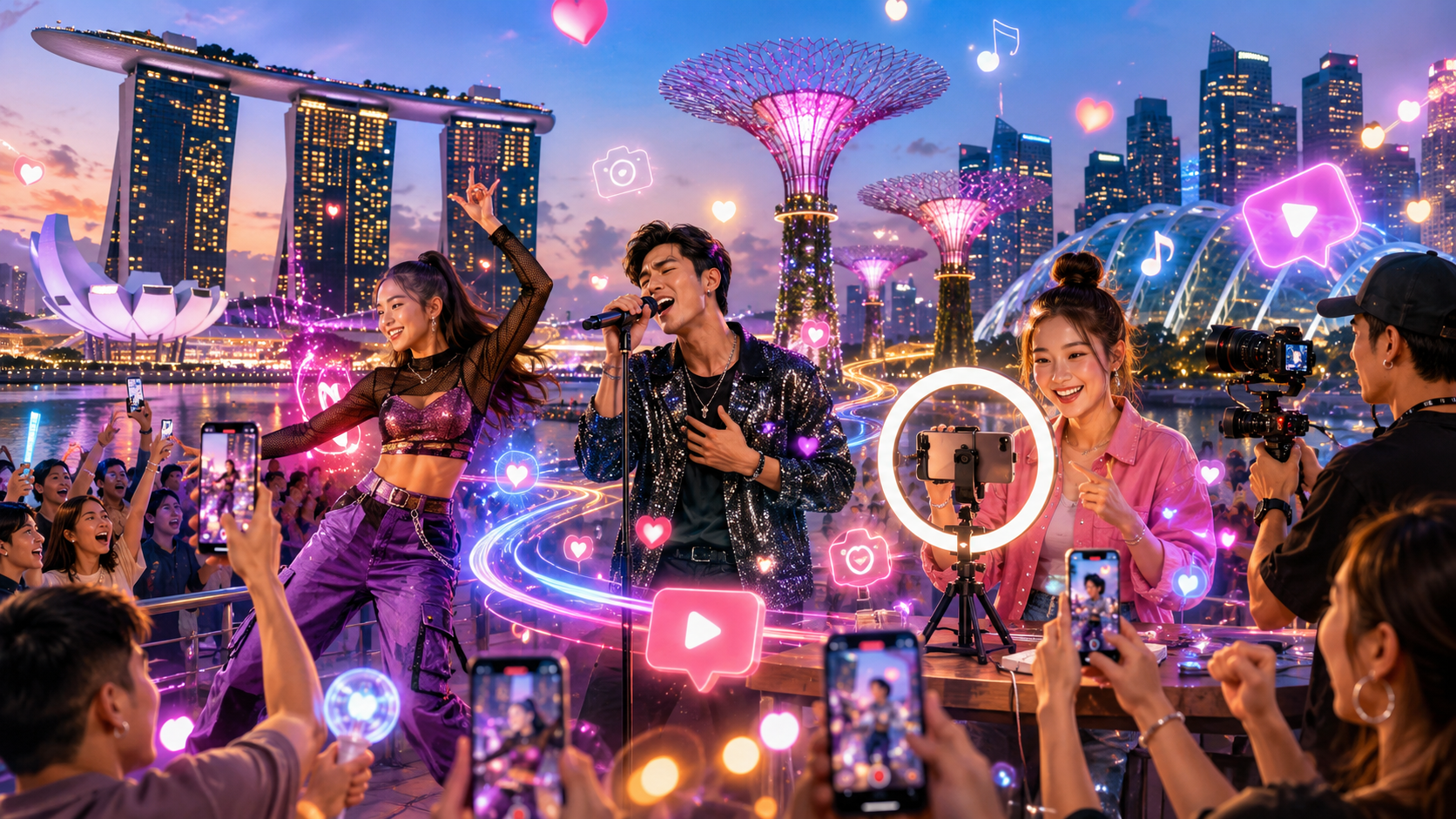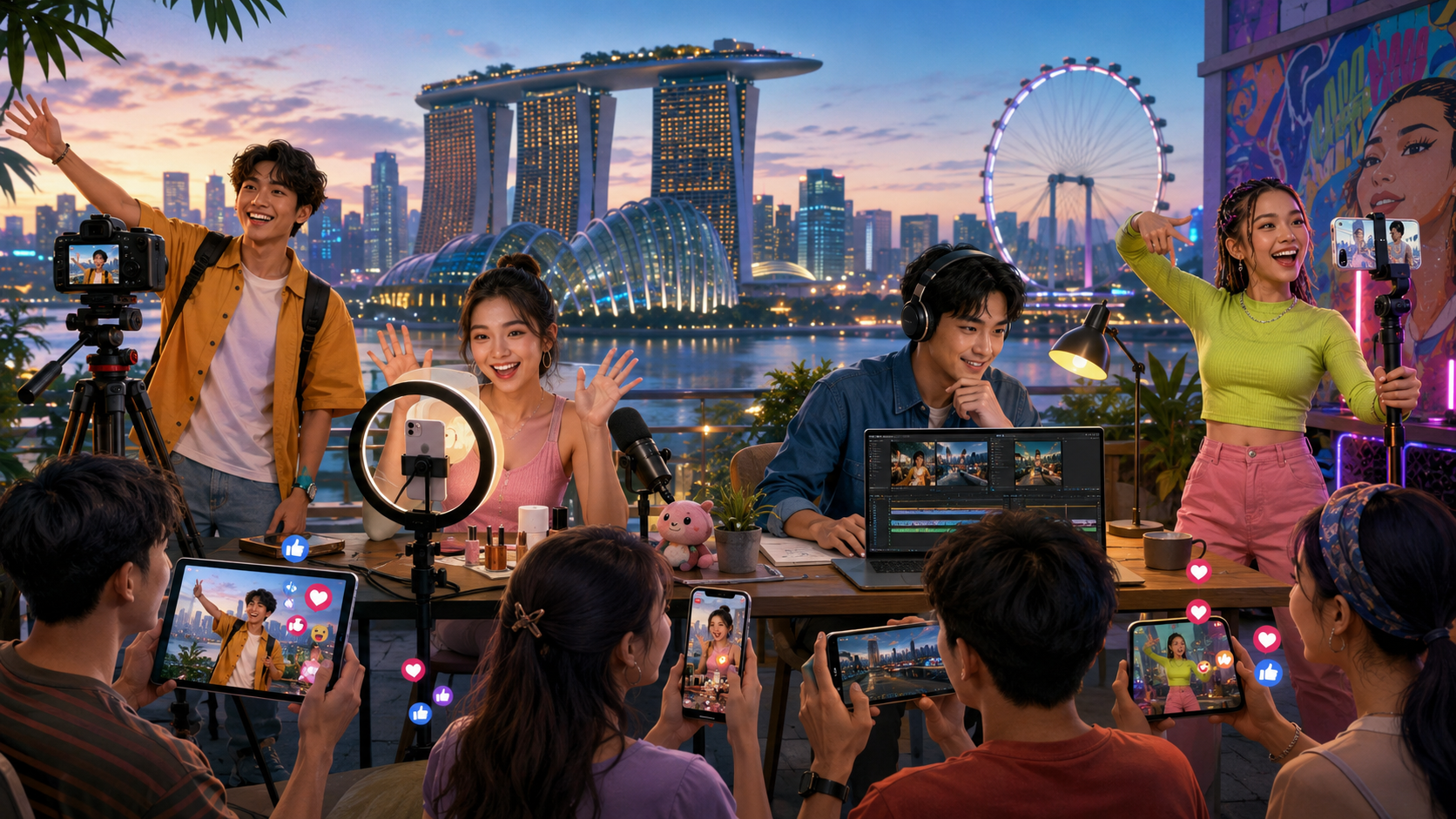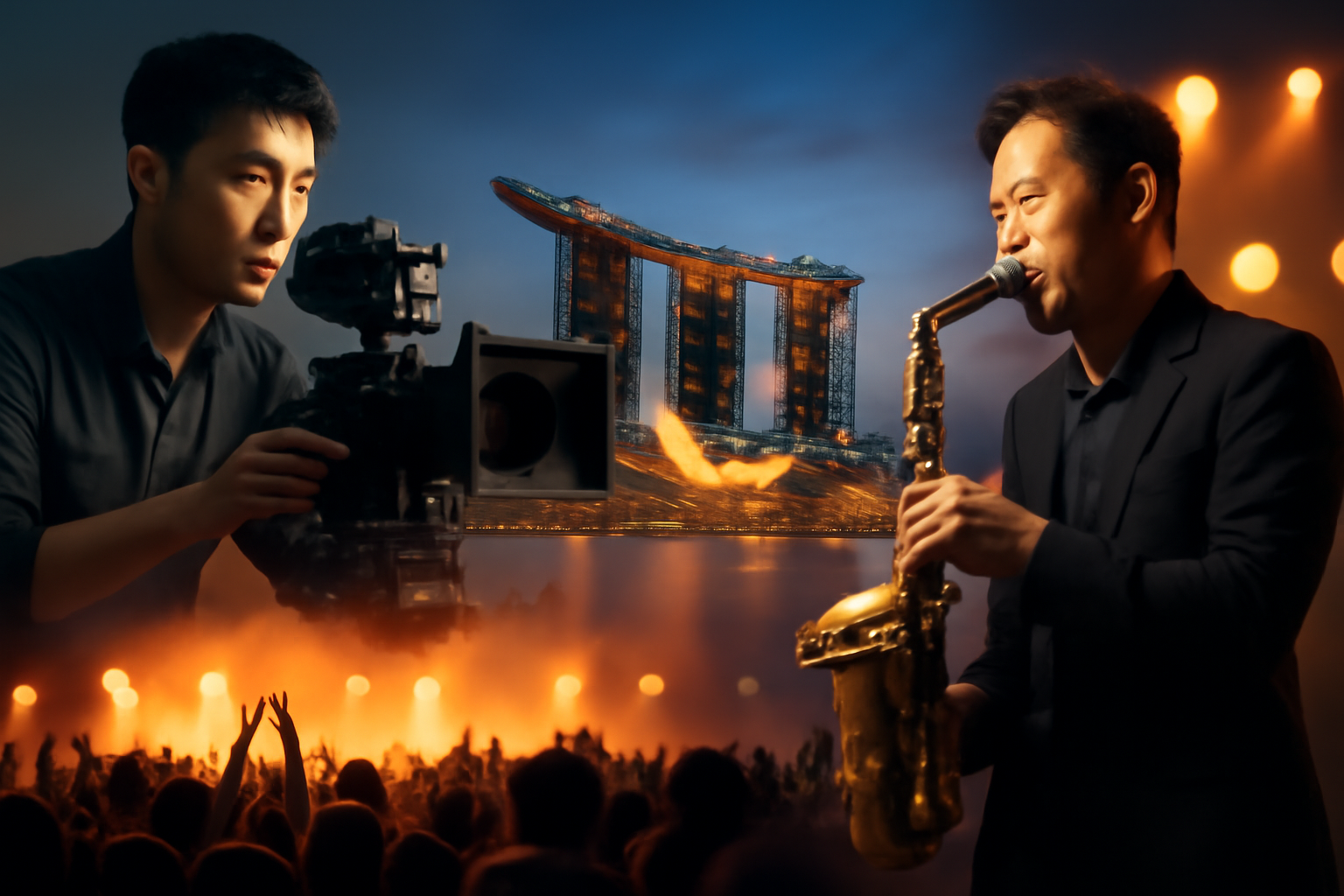
Singapore’s entertainment industry is an exciting and dynamic space where creativity and technology converge, producing a thriving cultural economy. In particular, the film and music industries have shown incredible growth and innovation, fostering local talent and capturing the attention of international audiences. The evolution of these sectors has not only influenced Singapore’s cultural landscape but also positioned the city-state as a significant player in the regional and global entertainment industry.
Film Industry: From Beginnings to Global Recognition
The roots of Singapore’s film industry stretch back to the 1950s when the first films in the Malay language were produced. For many years, the industry struggled to gain a foothold, but the country’s transformation into a global financial hub in the 1990s provided the perfect backdrop for the birth of a new generation of filmmakers. Directors like Eric Khoo and Royston Tan began producing films that addressed the complexities of Singapore’s urban environment, capturing the struggles, dreams, and aspirations of its people.
Khoo’s films, such as “12 Storeys,” which explores life in Singapore’s public housing estates, and “Be With Me,” which delves into themes of loneliness and connection, helped establish a distinct voice for Singaporean cinema. These films were well received at international film festivals, propelling the city-state’s film industry into the global spotlight.
The establishment of the Singapore Film Commission (SFC) and its subsequent transformation into the Infocomm Media Development Authority (IMDA) created a robust framework for nurturing local filmmakers. Through funding programs, training workshops, and festivals like the Singapore International Film Festival (SGIFF), Singapore has become an important hub for regional and international cinema. These initiatives have not only allowed local filmmakers to showcase their talent but also opened doors to international collaborations, further cementing Singapore’s status as an influential film producer in the Asia-Pacific region.
Music Industry: A Global Musical Influence
The music industry in Singapore is a reflection of the country’s multicultural identity, which blends traditional Southeast Asian sounds with global music influences. Over the years, the industry has grown to encompass a diverse range of genres, from classical to electronic, pop to jazz. Singaporean musicians have made their mark in international markets, with artists like Stefanie Sun, Tanya Chua, and JJ Lin leading the charge in Mandarin pop music.
JJ Lin, in particular, has achieved international success, with his albums topping charts in China and Taiwan. His success has become a blueprint for other Singaporean musicians seeking to build successful careers outside of the city-state. Alongside pop, Singapore’s classical music scene is also thriving, with the Singapore Symphony Orchestra gaining international recognition for its performances.
Singapore’s thriving live music scene further reflects the country’s eclectic musical tastes. Venues such as Timbre and Esplanade host a wide variety of performances, from indie rock bands to jazz ensembles. Festivals like Baybeats and the Singapore International Jazz Festival offer local and international artists the chance to perform in front of diverse audiences, further establishing Singapore as a key destination for music lovers worldwide.
The Intersection of Film and Music in Singapore
In Singapore, the worlds of film and music are increasingly intersecting. Many local filmmakers collaborate with musicians to produce original scores, while musicians often create music videos that incorporate cinematic storytelling. These cross-industry collaborations have led to new, innovative ways to present entertainment, combining the strengths of both film and music to create unique experiences for audiences.
Streaming platforms have played a pivotal role in facilitating this collaboration, with filmmakers and musicians alike able to reach global audiences through platforms like Netflix, YouTube, and Spotify. This digital age has opened up unprecedented opportunities for both industries to share their work with a wider audience, fostering greater recognition of Singapore’s creative talent on the global stage.
Government Support: Fostering Creativity and Innovation
The government has been instrumental in supporting the growth of Singapore’s entertainment industries. Through initiatives like the National Arts Council (NAC) and the Infocomm Media Development Authority (IMDA), the government has provided financial aid, resources, and infrastructure for filmmakers and musicians to grow their careers. This support has helped local talent break into the international market and has facilitated the development of world-class entertainment productions.
As Singapore continues to foster innovation in the entertainment industry, its film and music sectors are well on their way to achieving even greater success on the global stage. With government backing, talented creatives, and ever-evolving technology, the future of Singapore’s entertainment landscape looks bright, positioning the country as a major cultural force in the region.